Hit enter to search or ESC to close
9 June 2026
In modern architecture and industrial design, the quest for energy efficiency and sustainable lighting has led to the widespread adoption of innovative materials. The Hollow PC Lighting Tile has emerged as a premier solution for those seeking to blend durability with high light transmittance. By utilizing a multi-wall polycarbonate structure, these tiles provide an effective way to illuminate large spaces while maintaining thermal insulation. Whether for warehouses, greenhouses, or commercial walkways, choosing the right lighting tile can significantly reduce electricity costs and improve the well-being of occupants. In this guide, we will explore why this material is becoming the industry standard for natural lighting.

The superiority of the Hollow PC Lighting Tile lies in its unique cellular structure. Unlike solid sheets, the hollow design creates air pockets that act as a thermal barrier, preventing excessive heat gain in the summer and heat loss in the winter. This "green" approach to lighting ensures that spaces remain bright without the greenhouse effect common in single-layer glazing. Furthermore, high-grade polycarbonate is naturally impact-resistant, making these tiles virtually unbreakable under normal weather conditions, including heavy hail or wind loads. This combination of structural integrity and optical clarity makes it an ideal choice for long-term infrastructure projects.
Technical Insight: The multi-wall construction not only enhances insulation but also diffuses direct sunlight, reducing glare and creating a soft, uniform light distribution across the interior floor.
When comparing materials for roofing and skylights, the Hollow PC Lighting Tile offers a distinct advantage over traditional glass or FRP (Fiber Reinforced Plastic). Glass is heavy and fragile, while FRP tends to yellow and become brittle over time due to UV exposure. Polycarbonate tiles are treated with a specialized UV-resistant layer that prevents degradation and maintains transparency for decades. This ensures that the initial investment translates into long-term operational savings through reduced maintenance and lighting costs.
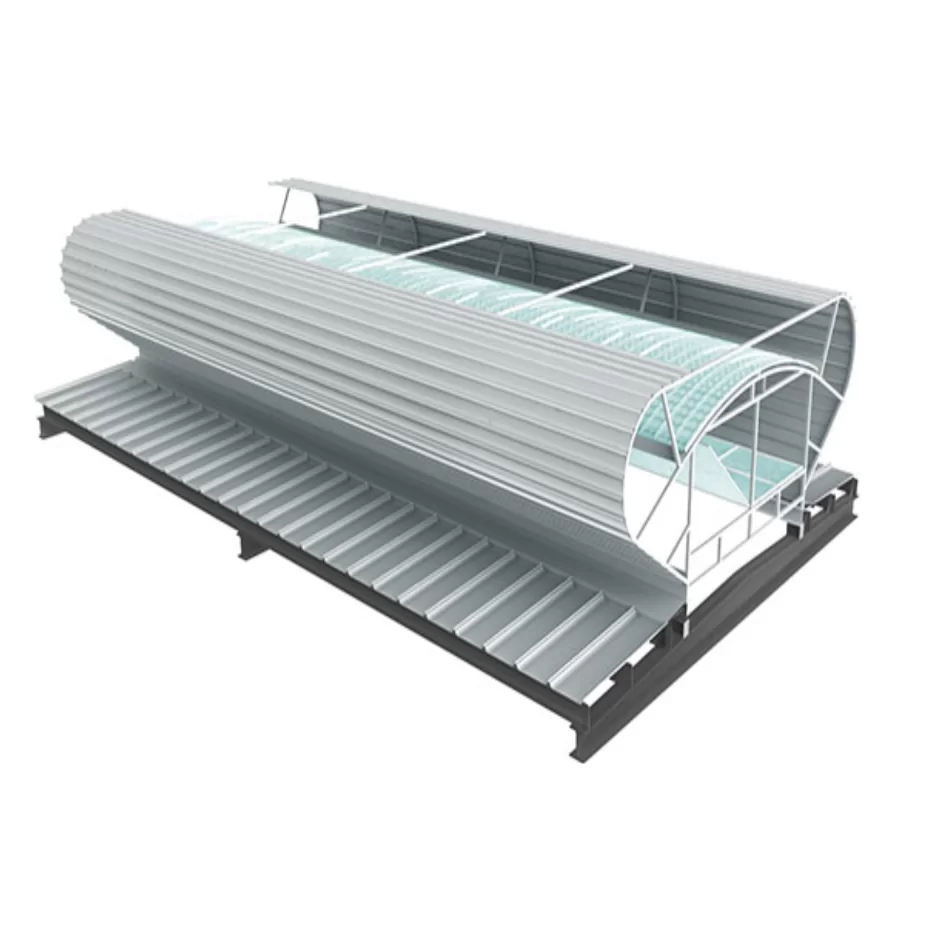
The versatility of the Hollow PC Lighting Tile makes it a preferred choice across multiple sectors. In industrial settings, they are installed in factory roofs to provide natural light, which has been proven to increase worker productivity and reduce accidents. In agricultural sectors, they are used for greenhouse roofing where precise light diffusion is required to protect sensitive plants from direct scorching rays. Additionally, modern architectural designs utilize these tiles for interior partitions, skylights, and covered walkways, blending aesthetic appeal with functional utility.

To ensure the longevity of your Hollow PC Lighting Tile system, proper installation is critical. It is recommended to use professional-grade aluminum profiles and gaskets to ensure a watertight seal, preventing condensation from building up inside the hollow chambers. Maintenance is remarkably simple; a periodic rinse with water and a mild detergent is usually sufficient to remove dust and debris, restoring the tiles' original transparency and maximizing light transmission efficiency.
Understanding the technical parameters helps engineers and architects specify the correct product for their needs. The Hollow PC Lighting Tile is available in various thicknesses and wall configurations to balance the need for strength versus weight. Below are the typical specifications for standard industrial-grade tiles:
The integration of Hollow PC Lighting Tile into modern building designs represents a perfect harmony between efficiency and durability. By providing a lightweight, thermally insulated, and highly transparent roofing solution, these tiles empower businesses to reduce their carbon footprint while enhancing the quality of their interior environments. Investing in high-quality polycarbonate lighting is not just an architectural choice, but a strategic move toward sustainable operational costs and superior structural safety.
The primary difference lies in thermal insulation and weight. A hollow PC lighting tile contains air-filled channels that significantly reduce heat transfer, making it much more energy-efficient for climate control than solid sheets. Additionally, the hollow design offers a higher strength-to-weight ratio, allowing for larger spans with less structural support while maintaining excellent impact resistance. Solid sheets are typically used for smaller, high-impact areas, whereas hollow tiles are ideal for expansive roofs.
High-quality polycarbonate tiles are manufactured with a co-extruded UV-protective layer on the exterior surface. This layer acts as a shield, blocking the harmful ultraviolet rays that typically cause polymers to degrade and yellow. When sourced from professional manufacturers like those found at YMC Machinery, these tiles are designed to maintain their clarity and structural integrity for many years, even in regions with intense sunlight.
While no plastic is completely "fireproof," polycarbonate is recognized for its excellent fire performance. Most industrial hollow PC tiles are rated as B1 grade, meaning they are self-extinguishing. This means that if they are exposed to a flame, they will not support combustion and will stop burning once the heat source is removed. This safety feature makes them compliant with most building codes and much safer than traditional plastic or FRP alternatives in industrial environments.
Yes, polycarbonate is specifically known for its stability across a wide temperature range. Unlike some plastics that become brittle and crack in freezing temperatures, hollow PC lighting tiles maintain their impact resistance and flexibility even at temperatures as low as -40°C. The hollow chambers also provide an extra layer of insulation, which is critical in cold climates to prevent internal heat from escaping, making them an efficient choice for warehouses and greenhouses in northern regions.