Hit enter to search or ESC to close


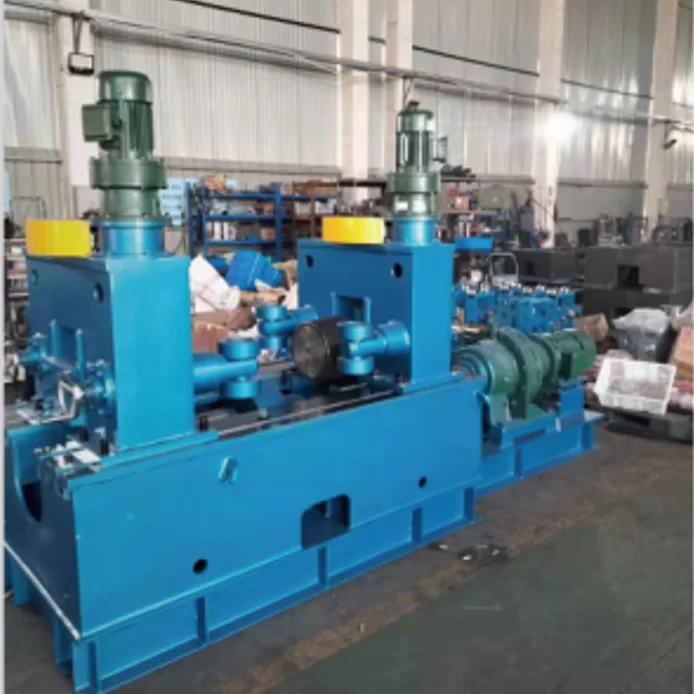
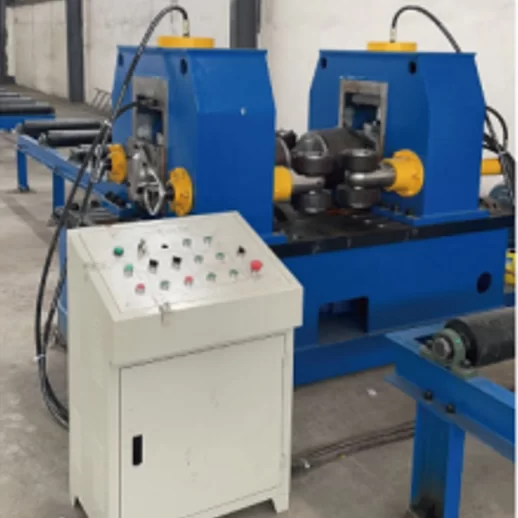
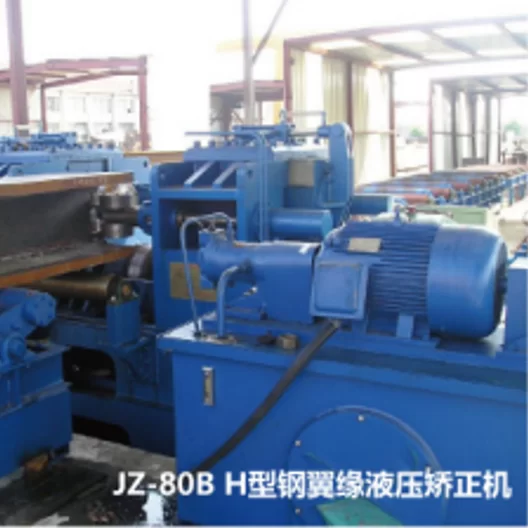
The H-beam Flange Straightening Machine is a specialized industrial solution engineered to correct and level flange plate deformations that occur during the H-beam welding process. By integrating a powerful hydraulic drive with a precision mechanical rolling structure, this equipment ensures that every beam meets stringent straightness standards, making it an indispensable asset for high-quality steel structure production lines.
Designed for versatility and durability, the machine optimizes the post-welding correction phase, significantly enhancing the structural integrity and visual appearance of the finished product. Whether integrated into a fully automated line or used as a standalone correction station, it provides the stability and precision required for heavy-duty construction steel beam processing.
| Equipment Type | H-beam Flange Straightening Machine | Drive Mode | Hydraulic & Mechanical |
|---|---|---|---|
| Primary Application | H-beam Flange Correction | Operational Mode | Automatic & Manual |
| Performance Feature | High Straightness Precision | System Stability | Hydraulic Pressure Controlled |
| Maintenance Level | Simple & Low-maintenance | Noise Level | Low-noise Operation |
| Adaptability | Multi-specification H-beams | Service Life | Long-term Industrial Grade |
Delivers superior straightening accuracy to ensure beams meet strict engineering tolerances.
Rapid correction cycles significantly increase the overall throughput of your production line.
Hydraulic pressure control ensures consistent force application for reliable results.
Switch seamlessly between automatic and manual modes for maximum operational flexibility.
Effectively improves the surface appearance and geometric precision of welded profiles.
Easily adjustable to accommodate various H-beam specifications and sizes.
Seamlessly connects with H-beam welding lines for continuous workflow.
Advanced hydraulic monitoring for consistent pressure and straightening force.
Easy-access components allow for rapid inspection and preventive maintenance.
Built-in stability mechanisms to ensure operator safety during high-pressure tasks.
Optimized loading and unloading paths for diverse beam lengths.
Standardizes the final correction step to eliminate product rejection rates.
| Performance Metric | Manual Correction | H-beam Machine |
|---|---|---|
| Processing Speed | Low / Labor Intensive | Very High / Automated |
| Accuracy Rate | Variable / Subjective | Consistent / Precision |
| Labor Cost | High Recurring Cost | Low Operational Cost |
| Product Waste | High (due to errors) | Minimal / Optimized |
| Production Lead Time | Long / Bottlenecked | Short / Streamlined |
Welding generates high thermal stress, which often causes the flange plates to warp or deform. Straightening is essential to restore the beam's geometric accuracy and structural integrity for construction use.
It is specifically designed for structural steel used in H-beams, typically including carbon steel and other alloy steels common in the metal structure manufacturing industry.
Yes, the machine features strong adaptability and adjustable settings to handle various H-beam specifications and dimensions.
No, it is designed with a simple structure and intuitive controls, offering both automatic and manual modes to make operation and maintenance straightforward.
Hydraulic drives provide the immense and stable force required to reshape thick steel plates quickly and precisely, far exceeding the capability of mechanical presses or manual tools.
It is typically installed at the end of the H-beam welding line or within a dedicated steel profile correction workshop in steel structure manufacturing plants.