The modern architectural landscape is witnessing a significant shift toward high-performance materials that combine aesthetic appeal with industrial durability. Among these innovations, the Aluminum Alloy PC Canopy has emerged as a premier solution for weather protection and structural elegance. By merging the lightweight strength of aluminum with the impact resistance of polycarbonate, these systems provide an unparalleled balance of transparency and resilience.
Understanding the intricacies of the Aluminum Alloy PC Canopy is essential for architects, urban planners, and industrial designers who seek to enhance the usability of outdoor spaces. These structures are not merely covers but engineered systems designed to withstand extreme environmental stressors while maintaining a sleek, contemporary profile that complements various building styles.
From commercial entrances to industrial walkways, the global demand for sustainable and long-lasting shelter solutions is driving the adoption of advanced alloy and polymer combinations. This comprehensive guide explores the technical specifications, global applications, and future trajectory of the Aluminum Alloy PC Canopy, highlighting why it remains a gold standard in the structural metal manufacturing industry.

Global Relevance of Aluminum Alloy PC Canopy
In an era of rapid urbanization, the need for durable, weather-resistant outdoor infrastructure has never been higher. The Aluminum Alloy PC Canopy addresses a critical global challenge: the degradation of traditional shelter materials under volatile climate conditions. Following ISO quality standards, the industry has moved toward materials that offer high strength-to-weight ratios, reducing the carbon footprint associated with heavy steel installations while increasing longevity.
Statistically, regions experiencing high precipitation or intense UV exposure see a higher failure rate in traditional glass or plastic covers. The integration of an Aluminum Alloy PC Canopy mitigates these risks by utilizing aerospace-grade aluminum alloys that resist corrosion and polycarbonate sheets that are virtually unbreakable compared to tempered glass.
Defining the Aluminum Alloy PC Canopy System
At its core, an Aluminum Alloy PC Canopy is a sophisticated structural assembly consisting of a precision-engineered aluminum frame and a high-impact polycarbonate (PC) roofing system. Unlike standard awnings, this system is designed for permanent installation, providing a rigid skeletal structure that supports the translucent or opaque PC sheets, ensuring water runoff and wind resistance.
This combination is particularly relevant to modern industry because it bridges the gap between heavy industrial construction and lightweight architectural design. By utilizing aluminum alloys, manufacturers can create complex geometric shapes—curved, vaulted, or cantilevered—that would be prohibitively heavy or expensive if executed in traditional steel, all while maintaining a professional, high-tech appearance.
Beyond the technical specs, the Aluminum Alloy PC Canopy serves humanitarian and commercial needs by providing safe, dry transit areas in public hospitals, airports, and logistics hubs. It transforms exposed transitional spaces into functional environments, reflecting a commitment to user safety and architectural innovation.
Core Components of High-Performance Canopies
The structural integrity of an Aluminum Alloy PC Canopy relies heavily on the grade of the alloy used. Typically, 6061 or 6063 aluminum is selected for its exceptional corrosion resistance and ease of extrusion, allowing for seamless joints and a high-strength frame that does not require frequent painting or rust-proofing.
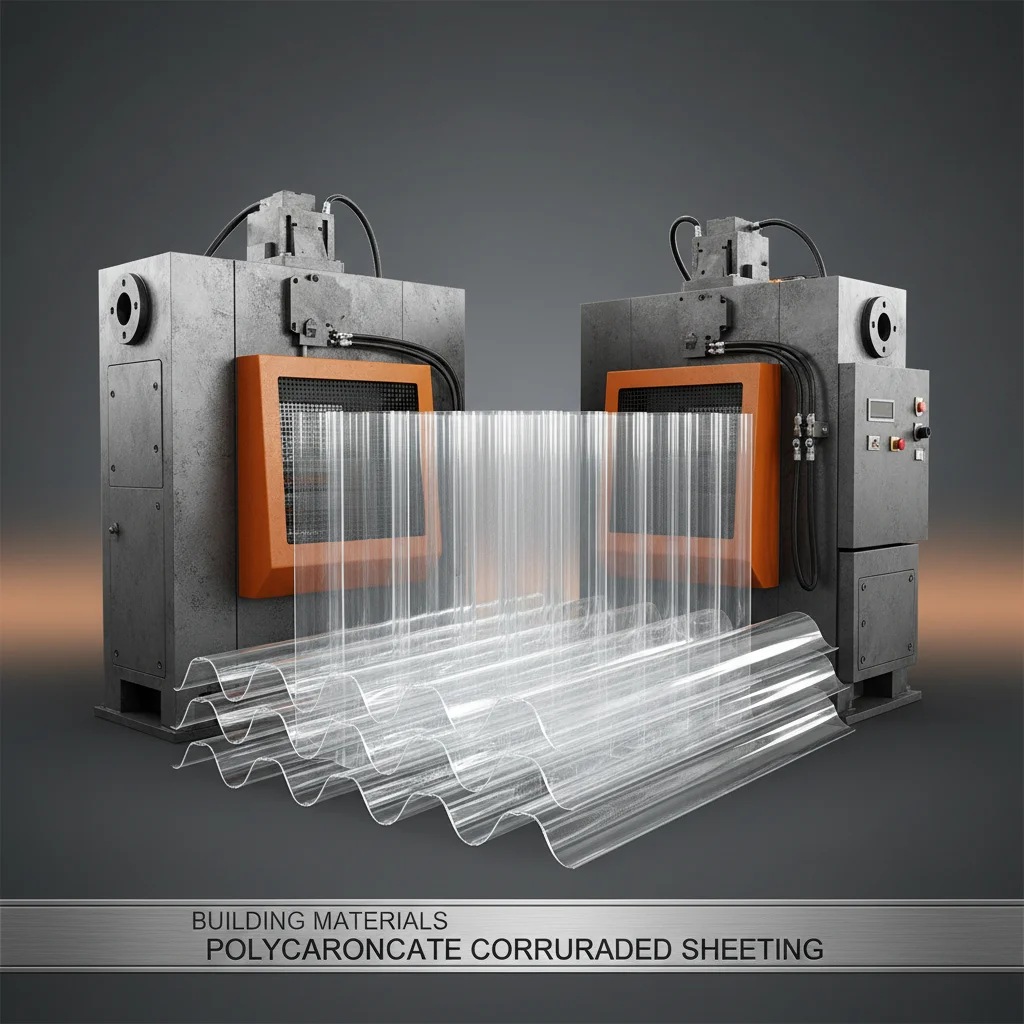
The "PC" element refers to Polycarbonate, a thermoplastic known for its extreme impact strength. In a premium Aluminum Alloy PC Canopy, these sheets are treated with a UV-resistant coating on the outer layer, preventing the material from yellowing or becoming brittle over decades of sun exposure, thus ensuring long-term optical clarity.
Finally, the fastening systems and gaskets used in the Aluminum Alloy PC Canopy are critical for waterproofing. High-grade EPDM rubber seals are typically employed to accommodate the thermal expansion and contraction of the aluminum and polycarbonate, preventing leaks and structural stress during extreme temperature fluctuations.
Practical Application Factors and Efficiency
When deploying an Aluminum Alloy PC Canopy, several key factors determine its operational efficiency. Scalability is a primary advantage; these systems can be modularized for small residential entrances or scaled up to cover massive industrial loading docks. The ease of installation significantly reduces labor costs and downtime, as the lightweight components require less heavy machinery for assembly.
Cost efficiency is realized not through the initial purchase price, but through the lifecycle value. The low maintenance requirements of an Aluminum Alloy PC Canopy—requiring only occasional cleaning—contrasts sharply with steel structures that demand periodic sanding and repainting to combat oxidation.
Performance Comparison of Canopy Material Systems
Global Use Cases and Regional Implementation
The versatility of the Aluminum Alloy PC Canopy is evident in its widespread global application. In Southeast Asia and South America, where tropical rainstorms are frequent, these canopies provide essential protection for pedestrian walkways and commercial storefronts. The rapid drainage design and high impact resistance make them ideal for areas prone to sudden, heavy downpours.
In Northern Europe and North America, the focus shifts to snow load capacity and thermal insulation. Industrial zones in these regions utilize reinforced Aluminum Alloy PC Canopy systems for loading bays and equipment shelters, ensuring that logistical operations continue uninterrupted regardless of winter weather. The ability of polycarbonate to allow natural light while blocking harmful UV rays also reduces the need for artificial lighting in these transitional spaces.
Long-Term Value and Sustainable Advantages
From a sustainability perspective, the Aluminum Alloy PC Canopy is an environmentally conscious choice. Aluminum is one of the most recyclable materials on earth, and high-quality polycarbonate can be repurposed at the end of its lifecycle. This circular economy approach reduces the environmental impact of construction and demolition.
Beyond ecology, there is a profound psychological and logical value to these installations. For a business, a sleek Aluminum Alloy PC Canopy signals modernity, reliability, and care for the customer's experience. It provides a sense of safety and dignity, ensuring that visitors are not left exposed to the elements, which in turn fosters trust and brand loyalty.
The reliability of these systems also translates to reduced insurance costs and liability. Because an Aluminum Alloy PC Canopy is engineered to resist shattering—unlike glass—it eliminates the risk of falling shards in crowded public areas, providing peace of mind for facility managers and safety for the general public.
Future Innovations in Canopy Engineering
The future of the Aluminum Alloy PC Canopy lies in the integration of "Smart" technologies. We are seeing the emergence of BIPV (Building-Integrated Photovoltaics), where thin-film solar cells are embedded directly into the polycarbonate sheets. This allows the canopy to generate clean energy while providing shelter, turning a passive structural element into an active power plant.
Furthermore, advances in material science are leading to "self-cleaning" coatings. By applying hydrophobic nanostructures to the surface of the Aluminum Alloy PC Canopy, rainwater can wash away dust and pollutants without leaving streaks, further reducing maintenance costs and keeping the structure looking pristine for longer periods.
Automation is also playing a role, with the development of retractable and adjustable Aluminum Alloy PC Canopy systems. These can be controlled via sensors that detect rain or wind speed, automatically deploying the cover when needed and retracting it to maximize sunlight during clear days, optimizing the interior environment of the building it serves.
Comparative Analysis of Modern Canopy Material Specifications
| Material System | Impact Resistance | Lifespan (Years) | Maintenance Level |
|---|
| Premium Aluminum PC | Ultra-High | 25-30 | Very Low |
| Standard Aluminum PC | High | 15-20 | Low |
| Galvanized Steel/Glass | Medium | 10-15 | High |
| Steel/Acrylic | Medium-Low | 8-12 | Medium |
| Wood/Polycarbonate | Medium | 10-15 | High |
| PVC/Plastic Frame | Low | 5-8 | Medium |
FAQS
The primary advantage is safety and durability. Polycarbonate is significantly more impact-resistant than tempered glass, meaning it won't shatter upon impact. Additionally, aluminum alloy frames are lighter and more corrosion-resistant than steel, reducing the overall structural load and eliminating the need for frequent rust-preventative maintenance.
Depending on the quality of the aluminum alloy and the UV-protection level of the polycarbonate, these systems typically last between 15 to 30 years. Premium versions with advanced UV coatings and high-grade 6061 aluminum are designed for maximum longevity, requiring only basic cleaning to maintain their appearance and structural integrity.
Yes, when properly engineered. An Aluminum Alloy PC Canopy designed for cold climates features reinforced aluminum rafters and a specific pitch to ensure snow slides off effectively. The inherent strength of the alloy frame prevents sagging, while the PC sheets are engineered to handle the downward pressure of accumulated snow.
Not at all. One of the greatest benefits of this system is its modularity. Because the materials are lightweight, they can be easily transported and mounted to various wall types using standard industrial brackets. Professional installation is recommended to ensure perfect waterproofing, but the process is far faster than traditional masonry or steel construction.
Low-quality polycarbonate can yellow under UV exposure, but professional-grade Aluminum Alloy PC Canopies use sheets with a specialized UV-absorbent layer. This coating filters out harmful radiation, preserving the clarity and color of the panels for many years, even in high-sun environments.
Maintenance is minimal. We recommend rinsing the polycarbonate sheets with water and a mild detergent every few months to remove dust and organic debris. Periodically checking the rubber gaskets and seals ensures the system remains watertight, but no painting or structural reinforcement is typically required.
Conclusion
The Aluminum Alloy PC Canopy represents the pinnacle of functional architectural design, offering an ideal synergy of strength, lightness, and transparency. By utilizing advanced aluminum alloys and UV-stabilized polycarbonate, these systems provide a long-term solution for weather protection that exceeds the performance of traditional materials in every critical metric—from impact resistance and lifespan to sustainability and aesthetic versatility.
As we look toward the future, the integration of smart materials and renewable energy will further elevate the role of these structures from simple shelters to active contributors to green building goals. Investing in a high-quality Aluminum Alloy PC Canopy is not just a construction choice, but a strategic decision to enhance safety, operational efficiency, and architectural value. For more information on our professional structural solutions, visit our website: www.ymc-machinery.com.