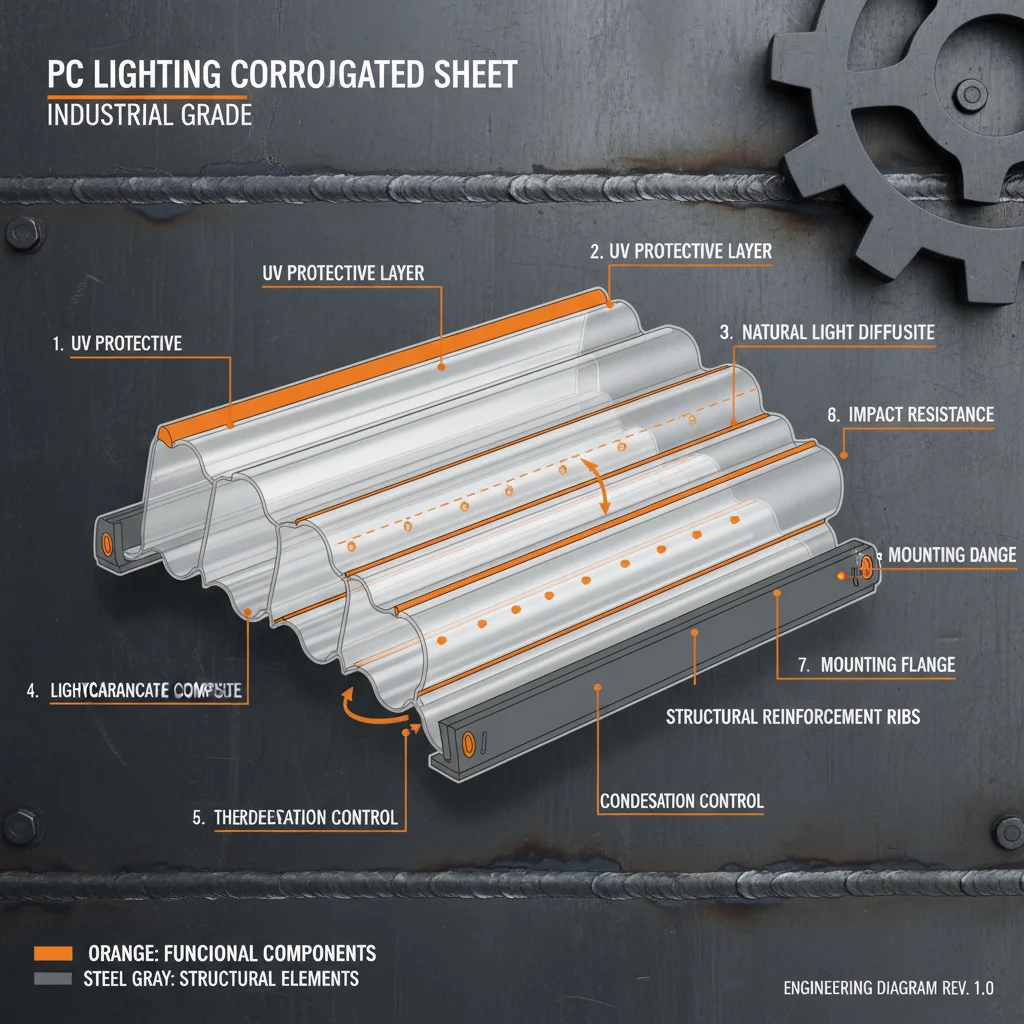
The integration of high-performance materials in modern architecture has led to the widespread adoption of the Polycarbonate Hollow Sheet, a versatile solution for outdoor sheltering. As global urban development shifts toward sustainable and durable infrastructure, these sheets have become essential for creating protective barriers that balance natural light with structural integrity.
From a technical perspective, the use of a Polycarbonate Hollow Sheet provides an unparalleled strength-to-weight ratio, making it a preferred choice for canopy and patio covers. By combining these sheets with robust aluminum alloy frames, manufacturers can offer shelters that are not only visually modern but also capable of withstanding extreme environmental stressors.
Understanding the mechanics and applications of these materials is crucial for architects and homeowners alike. By leveraging the impact resistance and UV-filtering properties of the Polycarbonate Hollow Sheet, one can ensure long-term protection for entrances, balconies, and commercial spaces while maintaining an open, airy aesthetic.

Global Relevance of Polycarbonate Hollow Sheet
On a global scale, the demand for weather-resistant materials has surged as extreme weather patterns become more frequent. The Polycarbonate Hollow Sheet addresses this challenge by providing a lightweight yet virtually unbreakable alternative to glass, adhering to international standards for impact resistance and safety.
In regions experiencing heavy snowfall or intense UV radiation, the structural stability offered by these sheets is indispensable. By reducing the dead load on buildings while providing maximum protection, the Polycarbonate Hollow Sheet enables the construction of efficient, low-maintenance shelters for both residential and industrial applications.
Defining the Polycarbonate Hollow Sheet Standard
A Polycarbonate Hollow Sheet is a thermoplastic polymer characterized by its cellular structure, which traps air to provide superior thermal insulation and lightweight properties. Unlike solid sheets, the hollow core distributes stress more evenly across the surface, significantly enhancing its ability to resist sudden impacts.
In the context of modern manufacturing, this material represents a bridge between heavy-duty industrial protection and aesthetic architectural design. Its ability to be easily cut, formed, and installed makes it a cornerstone for "fast-deployment" sheltering solutions, ensuring that home entrances and commercial patios can be protected quickly and effectively.
Furthermore, the standard for these sheets involves high-grade UV stabilization. This chemical integration ensures that the Polycarbonate Hollow Sheet does not yellow or become brittle when exposed to prolonged sunlight, thereby maintaining its transparency and structural integrity over a long service life.
Core Components of High-Strength Shelters
The primary strength of any modern canopy lies in the synergy between the Polycarbonate Hollow Sheet and its supporting frame. High-strength PC sheets provide the necessary impact resistance, ensuring that the shelter remains unbreakable even under the pressure of falling debris or hail.
Stability is further reinforced by the use of aluminum alloy frames. When paired with a Polycarbonate Hollow Sheet, the aluminum alloy ensures a rustproof, stable foundation that complements the weather-resistant nature of the polycarbonate, eliminating the need for frequent painting or chemical treatments.
Thermal regulation is another critical component. The hollow structure of the Polycarbonate Hollow Sheet acts as a natural insulator, reducing heat transfer during summer and retaining warmth during winter, which optimizes the energy efficiency of the building's entrance or patio area.
Practical Applications and Global Use Cases
The versatility of the Polycarbonate Hollow Sheet allows it to be deployed across various environments. In residential settings, it is commonly used for balcony covers and villa garden shelters, providing a sophisticated look while protecting the property from rain and snow.
In commercial sectors, these sheets are utilized for building entrance canopies and courtyard sunshade shelters. Their ability to transmit light while blocking harmful UV rays makes them ideal for retail storefronts and office entrances, ensuring a bright environment without the associated heat gain of traditional glass.
Performance Comparison of Polycarbonate Hollow Sheet Variants
Long-Term Value and Sustainability
Investing in a Polycarbonate Hollow Sheet provides significant long-term economic value. Because the material is anti-aging and weather-resistant, the lifecycle cost is dramatically lower than that of acrylic or glass, which are prone to cracking or require expensive replacement.
From a sustainability perspective, the lightweight nature of these sheets reduces the carbon footprint associated with transportation and installation. Additionally, the thermal insulation properties of the Polycarbonate Hollow Sheet contribute to lower energy consumption in adjacent indoor spaces by reducing the need for artificial heating and cooling.
Future Innovations in Polycarbonate Technology
The evolution of the Polycarbonate Hollow Sheet is moving toward "smart materials." Future iterations are expected to integrate photo-catalytic coatings that can break down air pollutants, transforming a simple patio cover into an active air-purification system for urban homes.
Furthermore, the industry is exploring the integration of thin-film solar cells directly into the hollow channels of the sheet. This would allow a Polycarbonate Hollow Sheet to not only provide shade and rain protection but also generate renewable energy to power outdoor lighting or security systems.
Automation in manufacturing is also enhancing the precision of the hollow-core geometry, allowing for even better weight distribution and wind-load resistance. These advancements ensure that the Polycarbonate Hollow Sheet remains the gold standard for modern architectural sheltering.
Overcoming Implementation Challenges
One common challenge in the installation of Polycarbonate Hollow Sheet is the risk of condensation within the hollow channels. To solve this, professional installers now use specialized sealing tapes and breathers that prevent moisture ingress while allowing the air inside to expand and contract.
Another concern is the potential for scratching during the cleaning process. By utilizing soft-bristle brushes and pH-neutral cleaners, the pristine surface of the Polycarbonate Hollow Sheet can be maintained, ensuring that light transmission remains optimal over decades of use.
Finally, ensuring the correct pitch for water runoff is essential for any canopy. By calculating the precise angle of the aluminum frame, the Polycarbonate Hollow Sheet can efficiently shed rain and snow, preventing structural stress and ensuring a leak-free experience.
Technical Comparison of Polycarbonate Hollow Sheet Installation Methods
| Installation Method | Structural Stability | Ease of Setup | Maintenance Need |
|---|
| Standard Aluminum Frame | High (9/10) | Moderate | Low |
| Modular Clip System | Medium (7/10) | Very Easy | Moderate |
| Custom Welded Steel | Extreme (10/10) | Difficult | High (Rust) |
| Adhesive-Bonded Edge | Low (5/10) | Easy | High |
| Suspended Cable Mount | Medium (6/10) | Moderate | Low |
| Integrated Gutter Frame | High (8/10) | Moderate | Very Low |
FAQS
The Polycarbonate Hollow Sheet is significantly more impact-resistant and virtually unbreakable compared to glass. Additionally, its hollow structure provides better thermal insulation and is much lighter, reducing the structural load on the building and making installation faster and safer.
With high-quality UV stabilization, a Polycarbonate Hollow Sheet can maintain its clarity and strength for 10 to 20 years. The longevity depends on the quality of the UV coating and the stability of the supporting aluminum alloy frame, which prevents sagging and corrosion.
Yes, industrial-grade Polycarbonate Hollow Sheets are treated with a UV-protective layer. This not only protects the material from degradation but also blocks a significant percentage of harmful ultraviolet radiation, making it an ideal choice for sunshade shelters and patio covers.
When installed with a proper aluminum alloy frame and the correct slope, the Polycarbonate Hollow Sheet is highly wind and snow load resistant. Its flexibility allows it to absorb impact without cracking, though the frame's engineering is key to supporting the total weight of the snow.
To maintain the surface, avoid abrasive chemicals or hard sponges. Use a mixture of mild soap and water with a soft microfiber cloth or a soft-bristle brush. Always rinse thoroughly with water to remove any residue that could attract dust.
While basic canopies are designed for easy installation, we recommend professional assembly to ensure the aluminum frame is perfectly leveled and the sheets are sealed correctly. Proper sealing prevents the "fogging" effect caused by moisture entering the hollow cores.
Conclusion
In summary, the Polycarbonate Hollow Sheet represents the pinnacle of modern outdoor sheltering, blending extreme impact resistance with lightweight efficiency. By pairing this advanced material with a rustproof aluminum alloy frame, users can achieve a durable, UV-protected, and aesthetically pleasing solution for everything from residential patios to commercial entrances.
Looking forward, the continued innovation in UV stabilization and the potential for energy-generating "smart sheets" will further solidify the role of the Polycarbonate Hollow Sheet in sustainable architecture. For those seeking a reliable balance of light and protection, investing in high-quality polycarbonate systems is the most logical and cost-effective path. Visit our website for more information: www.ymc-machinery.com