Hit enter to search or ESC to close
2 November 2026
A practical buyer guide for choosing a gantry submerged arc welding machine supplier when the work involves H-beams, steel structures, boilers, or pressure vessels. It explains how double arc and double wire welding fits production goals, seam quality needs, automation plans, and line integration.
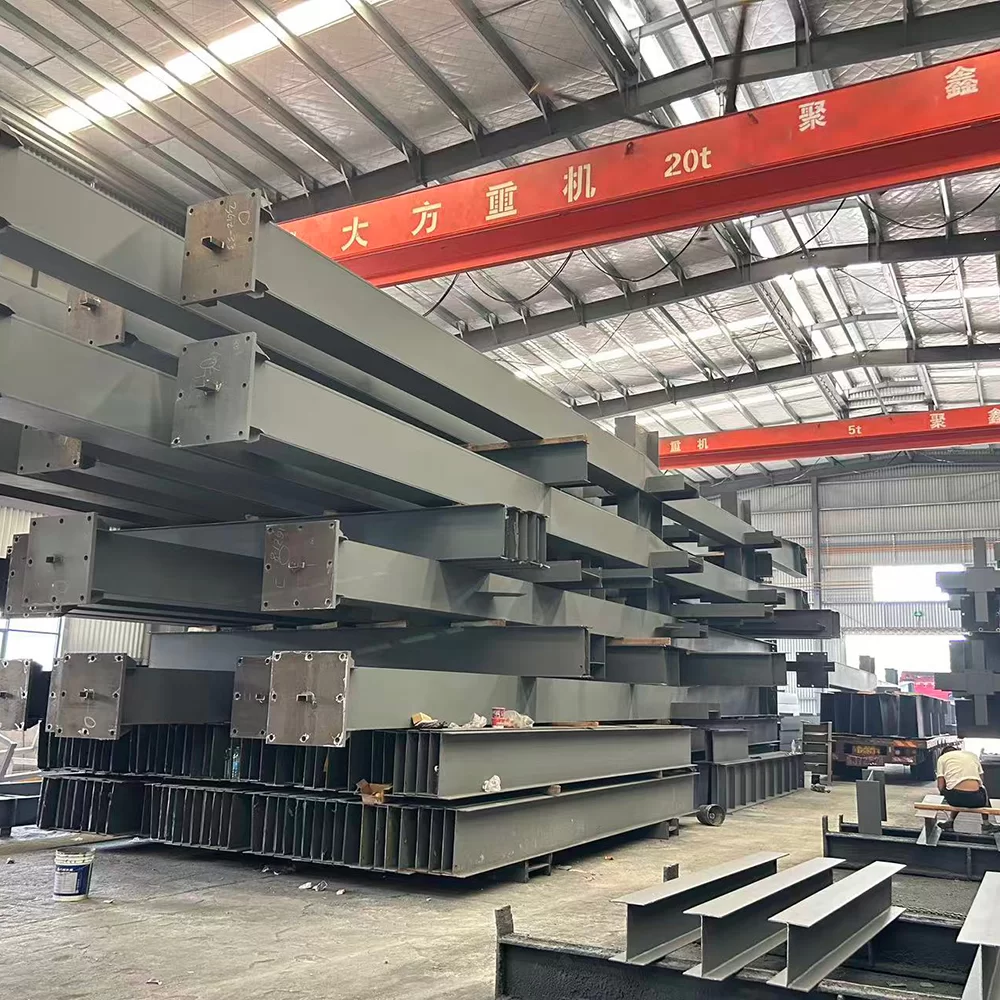
Fit with recurring H-beam, steel structure, boiler, pressure vessel, or heavy engineering work
Double arc and double wire welding method, including deep penetration, automated wire feeding, and production goals
Weld formation, arc stability, wire-feed consistency, and deformation considerations for long seams
Integration with production lines, material transfer, operator access, parameter management, and maintenance access
A gantry submerged arc welding machine supplier should be evaluated against the work your line must complete, not only against a headline welding speed. For H-beams and structural steel, the important questions are whether the machine supports the seam work, production pattern, weld quality, and level of automation required by your shop.
The Double Arc Double Wire Submerged Arc Welding Machine is designed for fully automatic submerged arc welding. Its stated applications include H-beam production, steel structure manufacturing, boiler and pressure vessel construction, and heavy engineering machinery. View the Double Arc Double Wire Submerged Arc Welding Machine to review the product page before preparing a supplier inquiry.
This machine suits fabrication lines that produce long weld seams on structural components. The product is intended for steel structures and H-beams, and it is also described for boilers and pressure vessels. A buyer handling these workpieces should first map the stock types, joint layout, section sizes, and expected welding sequence.
Picture an H-beam line where repeated longitudinal seams move through a planned welding station. Automatic wire feeding and a fully automatic submerged arc process fit a production setup that needs repeatable material delivery with less manual intervention. The machine's stated compatibility with H-beam and steel structure production lines makes line layout and transfer points part of the buying discussion.
For mixed fabrication, the same review should cover whether the planned boiler, pressure vessel, or heavy machinery work matches the machine's intended application. Send representative drawings, material thicknesses, joint details, and the number of seams per workpiece to the supplier before requesting a configuration.
The machine uses a double arc and double wire system. The product description links this arrangement with deep penetration, high deposition, high welding speed, and increased production output. The listed comparison gives a 2x to 3x production output increase against a single wire system, but actual output will depend on the workpiece, welding parameters, and line organization.
This option is a good fit for a shop that has recurring steel fabrication work and needs automated wire feeding for sustained production. It is less suitable as a purchase decision based only on occasional repair work, where the buyer may not use the machine's production-oriented configuration fully.
The supplier discussion should cover the required welding depth and speed for each material thickness. The product includes parameter management for tailored welding depth and speed, so the buyer should prepare the target ranges and joint drawings instead of asking for a general-purpose promise.
The product produces smooth and uniform weld formation, with deep penetration and strong welding seams. Its stable arc and consistent wire feed are intended to support repeatable welding quality across long seams. These characteristics suit structural fabrication where seam consistency and reduced deformation matter during downstream assembly.
A buyer should connect the machine choice to inspection points in the production route. For example, an H-beam manufacturer can define where seam appearance, penetration, deformation, and dimensional checks occur after welding. A pressure vessel fabricator should provide the applicable joint drawings and quality requirements so the supplier can discuss process settings and integration details.
Do not treat a general quality description as a substitute for a process review. The useful request is a sample workpiece or drawing package, along with the seam requirements the machine must meet.
Fully automatic operation, automated wire feeding, workflow integration, and arc stability monitoring make this machine suitable for production lines that already organize material flow around repeatable welding stations. The product can integrate with H-beam and steel structure lines and can reduce manual intervention.
Measure the station area, workpiece travel path, transfer equipment, operator access, flux handling route, and maintenance access. A machine may match the welding task and still require changes to the surrounding line. Include these layout details in the supplier inquiry, together with the intended workpiece flow and daily production pattern.
The operating interface is designed for ease of operation, with parameter management for welding depth and speed. That may suit a shop seeking a more structured operating routine, but the buyer should still define who will set parameters, load work orders, inspect seams, and carry out maintenance.
Choose the Double Arc Double Wire Submerged Arc Welding Machine when your operation has:
This product is best treated as a production-line solution. The decision should be based on representative drawings, material thicknesses, seam requirements, station measurements, and the intended production sequence.
Prepare a concise technical package containing:
With these details, Shanghai Yimeicheng Technology Co., Ltd. can assess the machine's fit against the actual work rather than a generic equipment description. Include the largest and most frequently produced workpieces in the first inquiry, along with drawings and requested quantities.
The people

About the author
The company
Corporate Positioning: A New Benchmark for Intelligent Steel Structure Manufacturing on Shanghai’s Science and Innovation Soil Founded in 2026 and rooted in Yangpu District, the economic core hub of China, Shanghai Yimeicheng Technology Co., Ltd. is an innovative technology enterprise focusing on steel structure engineering processing, R&D and manufacturing of steel structure products, with integrated capabilities in scientific and technological R&D and international trade.…
About Us ↗Visit company website ↗Your next step
Use case, specification, quantity and delivery window: make the next conversation specific.