Hit enter to search or ESC to close
21 October 2026
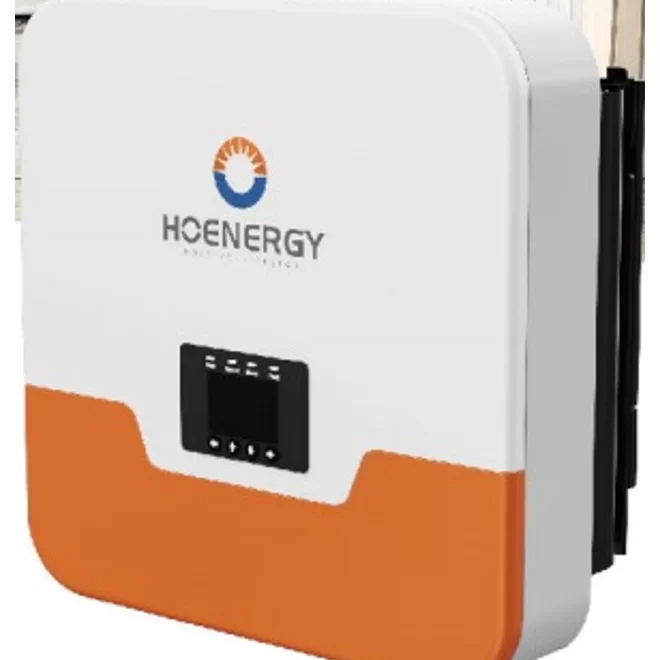
Procuring single-phase low-voltage energy storage inverters for household solar energy storage systems and residential backup power supply requires looking beyond initial FOB quotes.
Supply chain directors and chain operators integrate financial modeling into upcoming RFPs to capture operational expenditures. Frame the evaluation around 10-to-15-year total cost of ownership (TCO) principles for residential and light commercial solar projects.
Relying solely on starting purchasing figures creates a misleading baseline for industrial acquisition divisions. Upfront procurement numbers ignore multi-year operational expenses, potential maintenance liabilities, and premature component failures. Buying decisions based strictly on initial figures frequently lead to unexpected budgetary strain during deployment phases.
Initial quotation values represent only a fraction of lifetime expenditure.

Assessing true acquisition value requires a comprehensive financial framework that extends beyond immediate invoices. This methodology incorporates cumulative efficiency losses, routine upkeep, and replacement cycles over the entire operational lifecycle. Supply chain directors utilize this structured approach to evaluate hardware performance in residential and light commercial solar installations.
Long-term operational factors directly influence project profitability. Cumulative efficiency degradation gradually diminishes power delivery, while unexpected replacement cycles introduce labor and freight expenses that dwarf initial savings. Factoring these variables into budgetary forecasts protects operating margins across diverse field environments.
Initial invoice numbers on commercial procurement ledgers present an incomplete picture of total expenditure, as upfront procurement models neglect cumulative efficiency degradation and unforeseen upkeep obligations. Supply chain planners who rely strictly on starting purchase prices consistently underestimate the financial friction generated over a multi-year operational window. Consequently, assessing true financial value requires analyzing hardware performance through comprehensive long-term economic models rather than immediate transactional invoices.
Conversion efficiency variations compound monetary losses steadily across extended operational timelines, turning minor percentage deviations into substantial financial deficits. Table 1 details the structural contrast between initial acquisition expenses and lifecycle operating metrics.
| Expense Category | Upfront Purchase Valuation | Multi-Year Operational Impact |
|---|---|---|
| Hardware Acquisition | Reflected entirely on the initial commercial invoice | Remains static while operational overhead accumulates |
| Efficiency Performance | Ignored during initial transaction assessment | Determines cumulative energy loss over active deployment cycles |
| Maintenance Liability | Omitted from baseline price negotiations | Drives unexpected labor and freight expenses during replacement |
Unexpected component replacement cycles introduce financial drag that rapidly erodes any initial savings secured during contract negotiations. When hardware fails prematurely, the combined cost of replacement units, freight logistics, and system downtime frequently surpasses the original price differential. Procurement teams evaluate potential maintenance liabilities to protect project budgets throughout active deployments.
Evaluating cumulative operational costs ensures that supply chain decisions align with long-term profitability goals. Organizations that integrate efficiency loss projections and replacement frequency into their financial forecasting maintain superior control over project budgets throughout the entire operational lifecycle.

Inverter manufacturers structure pricing brackets around volume tier thresholds and minimum order quantity (MOQ) steps to balance production runs. Procurement managers evaluate these structured tiers against projected deployment schedules to prevent excessive capital lockup. Batch size calibration requires balancing immediate bulk discounts against ongoing warehousing carrying costs. When wholesale buyers commit to high-volume procurement without matching installation velocity, inventory holding expenses frequently offset initial transactional savings.
Supply chain planners determine optimal procurement batch sizes by analyzing site deployment rates across household and light commercial installations. Excessive bulk purchasing ties up liquid capital in warehouse storage, whereas fragmented purchasing triggers frequent freight fees and administrative overhead. Buyers calculate holding thresholds based on facility capacity and the specific volume steps established in supplier contracts. These contractual batch limits remain subject to vendor confirmation to ensure alignment with production schedules.
Aggressive bulk purchasing introduces significant warehousing trade-offs that extend well beyond immediate unit price reductions. Storage expenditure and capital tie-up duration vary according to order scale and delivery frequency. Supply chain directors weigh these logistical expenses against upfront volume discounts to maintain balanced operational budgets across multi-site photovoltaic projects.
Total installation expenditures for low-voltage DC architecture systems require factoring in balance of system (BoS) components such as thick-gauge DC cabling and compatible battery racks. Procurement managers analyzing project outlays frequently underestimate these peripheral hardware expenses when budgeting for household solar energy storage systems.
Thick-gauge DC cabling represents a major portion of BoS costs due to the higher amperage demands inherent in low-voltage configurations. Voltage drop mitigation over extended wire runs necessitates oversized copper conductors and specialized terminal lugs.
Ensuring mechanical and electrical compatibility with matching battery racks prevents unforeseen deployment expenditures and labor delays. Off-grid and grid-connected photovoltaic systems demand rigid mounting hardware to withstand continuous operational vibration.
Supply chain directors verify enclosure dimensions and busbar alignments to eliminate on-site modification costs. Detailed specifications remain to be confirmed prior to finalizing bulk purchase orders.
Contractual warranty durations specified in individual supplier agreements establish a baseline metric for gauging hardware dependability across residential backup power supply installations and home intelligent microgrid systems. Equipment durability correlates directly with these specified coverage intervals, as suppliers assuming extended liability typically utilize more robust internal topologies to mitigate potential failures. Procurement directors examining microinverter and power conversion units prioritize these periods to gauge expected field performance without relying on optimistic promotional claims.
Risk mitigation depends on aligning warranty terms with project deployment realities, particularly regarding replacement liabilities and maintenance downtime. When unexpected faults occur in off-grid photovoltaic arrays, unprotected operational hours accrue financial penalties that rapidly exceed initial component savings. Contractual provisions must explicitly outline response times and freight coverage for defective hardware exchanges to prevent secondary expenses.
Contractual guarantees function as quantifiable risk indicators rather than mere administrative documentation. Extended coverage terms transfer a significant portion of long-term component degradation risk back to the manufacturer. Supply chain specialists evaluate these agreements alongside supplier-reported or field-observed failure patterns to project net maintenance expenditures across the entire operational lifecycle.
Procurement agreements should clearly define replacement procedures, shipping responsibilities, and labor reimbursement limits for faulty units. Relying on baseline manufacturer terms without specific service level agreements leaves project stakeholders exposed to prolonged downtime. Clear contractual frameworks ultimately protect overall capital investments against premature hardware obsolescence and unbudgeted repair costs.
Consolidating unit pricing, volume tiers, Balance of System (BoS) requirements, and warranty metrics into a unified purchasing framework allows supply chain directors to evaluate competing inverter bids objectively. Weighing upfront discounts against long-term operational efficiency and potential component replacement liabilities ensures that capital allocation remains protected across the entire project lifecycle. Developing a structured evaluation checklist enables purchasing teams to systematically assess total financial exposure before issuing formal purchase orders for photovoltaic system deployments.
Project budgets benefit directly when procurement strategies prioritize lifecycle cost performance over isolated transactional savings. Evaluating hardware bids requires balancing immediate capital expenditure against anticipated energy yield retention and maintenance obligations over extended operational horizons.
Procurement teams auditing supplier proposals apply specific decision metrics to streamline supply chain expenditures:
Integrating these multidimensional criteria into upcoming Request for Proposals (RFPs) transforms vendor selection from a short-term price negotiation into a disciplined asset management strategy. Procurement managers may contact the supplier to obtain comprehensive Total Cost of Ownership breakdown sheets and verify technical documentation before finalizing equipment procurement contracts.
Initial quotations capture only immediate transactional costs while ignoring multi-year performance degradation and recurring upkeep liabilities. Financial projections must account for cumulative efficiency losses over extended operational timelines. This holistic approach prevents unforeseen budgetary strain during later deployment phases.
Minor efficiency discrepancies compound financial losses steadily over extended operational periods. Lower conversion performance gradually diminishes delivered energy output while driving up relative operating costs. Procurement teams incorporate these projected efficiency drops into their lifetime economic models.
Unexpected hardware replacement cycles introduce substantial labor and freight expenditures that quickly erase initial acquisition savings. These secondary costs often dwarf the savings secured from discounted initial purchasing bids. Supply chain planners mitigate this hazard by evaluating hardware durability against supplier performance terms.
Bulk purchasing commitments lower per-unit acquisition prices but tie up working capital and incur ongoing warehousing charges. Procurement teams determine optimal batch sizes by weighing quantity discounts against inventory carrying costs. This calculation depends directly on projected deployment schedules and available storage capacity.
Warranty coverage periods specified in individual supplier contracts act as a baseline metric for evaluating manufacturing reliability. Scrutinizing these contractual obligations helps procurement teams mitigate potential maintenance liabilities. Detailed supplier agreements clarify who bears financial responsibility when hardware components fail prematurely in the field.
Procurement teams must audit active supplier quotation models by integrating efficiency loss projections and volume tier thresholds into upcoming RFPs.
Requesting comprehensive TCO breakdown sheets from shortlisted vendors ensures all operational contingencies are factored into purchasing decisions before issuing a formal order. Supply chain planners who operationalize these financial models protect overall project margins across diverse field environments.