In the rapidly evolving landscape of industrial infrastructure, the integration of high-performance materials and energy systems has become paramount for operational sustainability. The emergence of advanced energy conversion solutions allows modern facilities to manage power more effectively, mirroring the structural reliability found in high-grade building components like the Solid PC Corrugated Tile. By prioritizing efficiency and durability, businesses can reduce long-term overhead while enhancing the resilience of their physical and electrical assets.
Across the globe, the shift toward decentralized power and green building standards is driving a demand for integrated systems that can withstand harsh environments. Whether it is the physical protection provided by specialized roofing or the electrical stability offered by high-voltage inverters, the goal remains the same: maximizing uptime and minimizing resource waste. This synergy between structural integrity and energy intelligence is what defines the next generation of industrial development.
Understanding the intersection of material science and power electronics is essential for any facility manager looking to optimize their site. By implementing a Solid PC Corrugated Tile strategy for lighting and protection alongside professional-grade energy storage, companies can achieve a holistic approach to industrial efficiency that ensures both safety and scalability.

Global Relevance of Solid PC Corrugated Tile
The global industrial sector is currently facing a dual challenge: the need for rapid infrastructure expansion and the strict requirement for environmental sustainability. In this context, the adoption of high-impact, light-transmitting materials like the Solid PC Corrugated Tile has become a strategic necessity. By replacing traditional heavy roofing with lightweight, durable alternatives, industries can reduce the structural load on their buildings while simultaneously harvesting natural light to lower electrical costs.
According to international building standards and ISO guidelines, the move toward "smart" industrial shells is accelerating. The ability to integrate energy-efficient roofing with high-voltage power systems creates a synergistic effect, where the building itself contributes to the energy goals of the organization. This global trend is particularly evident in emerging industrial hubs where resilience against extreme weather is a non-negotiable requirement for operational continuity.
Defining the Role of Solid PC Corrugated Tile
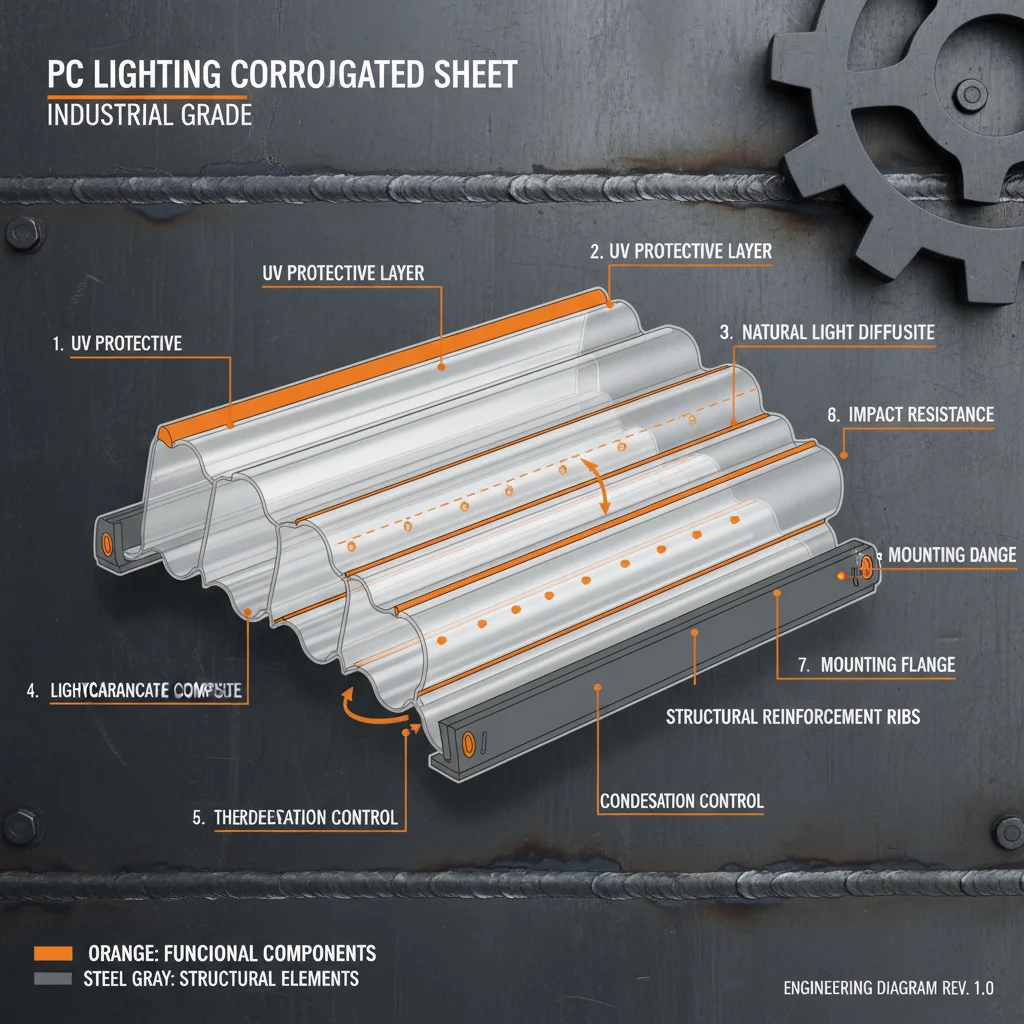
At its core, a Solid PC Corrugated Tile is a high-strength polycarbonate sheeting engineered with a waved profile to provide superior structural rigidity and efficient water runoff. Unlike hollow-core alternatives, the solid composition ensures there are no internal pockets for moisture or dust to accumulate, making it an ideal choice for clean-room environments and heavy-duty industrial warehouses.
Beyond its physical form, this material represents a bridge between traditional construction and modern architectural needs. It addresses the critical need for transparency without sacrificing the security of a solid wall or roof. In the context of humanitarian aid or rapid industrial deployment, such materials allow for the quick erection of shelters and workshops that are both breathable and protected.
When integrated into a larger facility plan, the role of these tiles extends to energy management. By strategically placing translucent sections in a roof, a facility can significantly reduce its daytime reliance on artificial lighting, which complements the energy-saving goals of an industrial-grade high-voltage energy storage inverter system.
Core Components of Industrial Durability
Durability in an industrial setting is defined by a material's ability to resist degradation under extreme stress. The Solid PC Corrugated Tile excels in this regard due to its inherent impact resistance, which is significantly higher than that of glass or acrylic. This ensures that the structure remains intact even during severe hailstorms or accidental impacts.
Scalability and versatility are further enhanced by the corrugated design. The waves in the Solid PC Corrugated Tile act as structural ribs, allowing the material to span larger distances without bending. This mechanical advantage reduces the amount of supporting steel required, thereby lowering the overall installation cost and construction time.
Finally, the chemical stability of the polycarbonate ensures that the Solid PC Corrugated Tile does not corrode when exposed to industrial pollutants or UV radiation. This long-term stability is critical for maintaining the aesthetic and functional integrity of a facility over decades of continuous operation.
Practical Applications in Global Infrastructure
In real-world industrial zones, these materials are deployed across a variety of high-stakes environments. From remote mining sites in Australia to massive electronics factories in Southeast Asia, the use of corrugated polycarbonate provides the necessary balance of light and protection. In these regions, the ability to quickly install weather-resistant roofing is key to maintaining production schedules.
Furthermore, in post-disaster relief operations, the rapid deployment of shelters using these lightweight tiles provides immediate dignity and safety to displaced populations. Because they are easy to transport and assemble, they serve as a critical tool for NGOs and government agencies tasked with creating stable environments in unstable territories.
Performance Metrics of Solid PC Corrugated Tile Variants
Long-Term Value and Sustainability
The investment in a Solid PC Corrugated Tile system yields dividends far beyond the initial installation. By optimizing natural light penetration, facilities can see a measurable drop in their carbon footprint and energy bills. This logical approach to design reduces the thermal load on the building, which in turn lowers the energy required for cooling systems during summer months.
Beyond the financial metrics, there is a human element to this innovation. A workspace filled with natural light is proven to increase employee productivity and psychological well-being. Combining this with a reliable power infrastructure—such as a high-efficiency energy storage inverter—creates a safe, modern, and trust-inspiring environment for the workforce.
Future Innovations in Material Science
As we look toward the future, the evolution of the Solid PC Corrugated Tile is moving toward "active" materials. We are seeing the development of polycarbonate sheets with embedded photovoltaic cells, effectively turning the roof into a power generator. This would eliminate the need for separate solar panels, streamlining the energy harvest process directly from the building's skin.
Digital transformation is also playing a role through the use of additive manufacturing and precision molding. This allows for the creation of tiles with variable thickness and specialized geometries that can better manage wind loads and thermal expansion, further extending the lifespan of industrial structures.
Furthermore, the industry is shifting toward circular economy principles. New recycling processes are being implemented to ensure that old polycarbonate tiles can be repurposed into new industrial components, reducing the reliance on virgin plastics and aligning with global green energy policies.
Overcoming Implementation Challenges
Despite the advantages, implementing a Solid PC Corrugated Tile system can present challenges, primarily regarding thermal expansion. Because polycarbonate expands and contracts more than steel, improper fastening can lead to cracking or leaking. The solution lies in using oversized pre-drilled holes and specialized gaskets that allow the material to "breathe" without compromising the seal.
Another common concern is the accumulation of debris on the roof surface, which can reduce light transmission. Expert insights suggest the implementation of steep-pitch installation and the application of hydrophobic coatings. These coatings allow rainwater to wash away dust and pollutants automatically, ensuring the tiles remain clear with minimal maintenance.
Finally, aligning the material choice with the overall energy strategy is crucial. By coordinating the installation of translucent roofing with the deployment of intelligent load management systems, businesses can create a truly integrated energy-efficient ecosystem that maximizes ROI.
Analysis of Solid PC Corrugated Tile Implementation Factors
| Material Variant | Durability Score | Installation Ease | ROI Period |
|---|
| Standard Clear | 7/10 | High | 12-18 Months |
| UV-Protected | 9/10 | High | 18-24 Months |
| Heavy-Duty Industrial | 10/10 | Medium | 24-36 Months |
| Heat-Reflective | 8/10 | High | 15-20 Months |
| Frosted Diffuser | 7/10 | High | 12-15 Months |
| Reinforced Hybrid | 9/10 | Low | 30-40 Months |
FAQS
Solid PC Corrugated Tile offers significantly higher impact resistance and better light transmission. Unlike fiberglass, which can become brittle and "yellow" over time due to UV exposure, polycarbonate is engineered for long-term clarity and strength, making it safer and more durable for industrial roofs.
The key is to use high-quality EPDM gaskets and to pre-drill holes slightly larger than the screw diameter. This prevents the Solid PC Corrugated Tile from cracking during thermal expansion and ensures a watertight seal against the supporting steel structure.
Yes, polycarbonate is designed to handle a wide temperature range. However, it is critical to use the correct mounting hardware that accommodates the expansion and contraction cycles of the Solid PC Corrugated Tile to maintain structural integrity throughout the seasons.
Depending on the UV coating and environmental conditions, a high-quality Solid PC Corrugated Tile can last between 15 to 25 years. Regular cleaning and professional installation significantly extend this lifespan by preventing surface abrasion and stress fractures.
Yes, they are available in clear, opal, bronze, and various tinted options. Clear tiles maximize light, while opal or frosted versions of the Solid PC Corrugated Tile help diffuse harsh sunlight to prevent glare in precision manufacturing environments.
Absolutely. While the initial material cost may be higher than some basic metals, the reduction in electricity costs for lighting and the decreased need for structural reinforcement make the Solid PC Corrugated Tile a high-ROI investment over the long term.
Conclusion
The adoption of a Solid PC Corrugated Tile system represents more than just a choice in roofing; it is a commitment to industrial efficiency and structural resilience. By blending high-impact material science with strategic energy management, facilities can create an environment that is not only cost-effective but also supportive of a healthier, more productive workforce. From reducing carbon footprints to ensuring 24/7 operational security, the synergy between advanced materials and intelligent power systems is the cornerstone of modern industrial success.
Looking forward, the integration of "smart" building materials and high-voltage energy storage will continue to redefine the boundaries of manufacturing. We encourage facility managers and architects to move beyond traditional constraints and embrace these innovative solutions to future-proof their assets. To explore how our integrated solutions can optimize your industrial efficiency, visit our website: www.ymc-machinery.com.