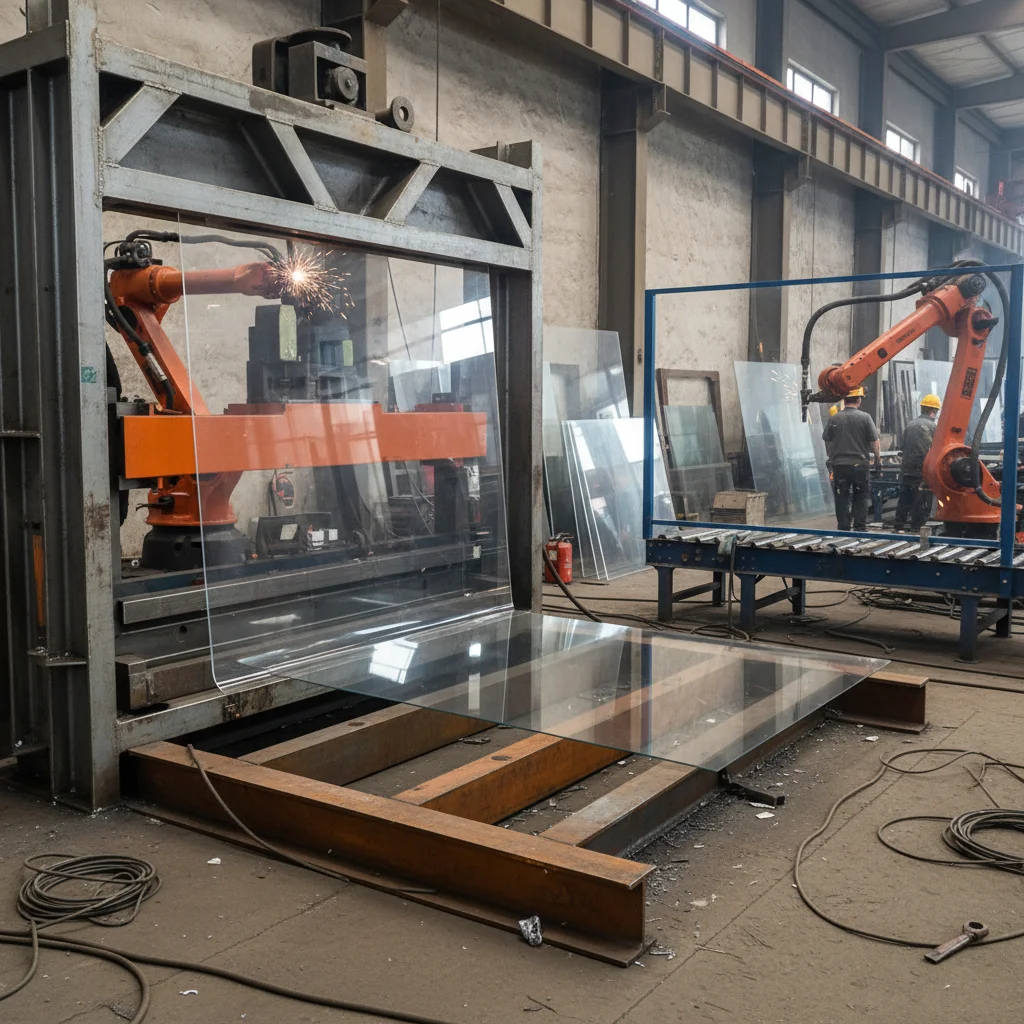
In the contemporary landscape of structural engineering and architectural design, the demand for materials that combine transparency with extreme durability has never been higher. The emergence of high-performance polymers has revolutionized how we approach daylighting and protective shielding, offering alternatives that surpass traditional glass in both safety and versatility. Among these innovations, the polycarbonate solid sheet stands out as a premier choice for professionals seeking a balance between aesthetic clarity and structural integrity.
Globally, the construction industry is shifting toward materials that reduce installation overhead while increasing the lifespan of the structure. The integration of virgin polycarbonate allows for the creation of panels that are virtually unbreakable, significantly reducing the risk of injury and maintenance costs in high-traffic public areas. From stadium canopies to sound barriers along high-speed railways, the adoption of these materials reflects a broader trend toward resilience and efficiency in urban development.
Understanding the technical nuances of PC Solid Sheet is essential for architects and engineers who aim to maximize natural light without compromising on security or weather resistance. By leveraging its unique properties—such as UV protection and high impact strength—developers can create sustainable environments that are both energy-efficient and aesthetically pleasing.

The Fundamentals of PC Solid Sheet Material
At its core, a PC Solid Sheet is an engineering plastic produced from 100% virgin polycarbonate. Unlike multi-wall options, the solid structure provides a continuous, dense barrier that maximizes strength and optical clarity. This material is specifically engineered to mimic the transparency of glass while eliminating its inherent fragility, making it an indispensable asset in the metal structure and construction industries.
The manufacturing process ensures that the sheets maintain a high level of purity, which directly contributes to their excellent light transmission. By utilizing virgin resins rather than recycled plastics, the sheets avoid the structural weaknesses and discoloration often found in lower-grade materials, ensuring a professional finish for high-end commercial and industrial projects.
Core Technical Advantages and Performance
One of the most significant advantages of these sheets is their exceptional weight-to-strength ratio. Being significantly lighter than glass, they reduce the dead load on supporting steel structures, allowing for more daring architectural designs and lower transportation costs. This lightness does not come at the expense of performance; rather, it enhances the overall agility of the construction process.
Thermal and acoustic insulation are also key performance indicators. The material naturally dampens sound vibrations, making it an ideal choice for noise barriers in urban environments or sound insulation walls in industrial zones. Furthermore, its heat insulation properties help regulate indoor temperatures, contributing to lower energy consumption for climate control in greenhouses and canopies.
Safety is further bolstered by the flame-retardant nature of the polycarbonate. In the event of a fire, the material is designed to resist ignition and limit the spread of flames, providing critical extra time for evacuation and emergency response. This makes it a compliant and reliable choice for public transit hubs and stadium roofing where safety regulations are stringent.
Impact Resistance and Structural Safety
The defining characteristic of the PC Solid Sheet is its ultra-high impact resistance. Often described as "unbreakable," the material can withstand severe impacts that would shatter tempered glass into thousands of pieces. This makes it the primary choice for safety fences and protective coverings in hazardous environments.
In practical terms, this strength means that the PC Solid Sheet can be used in areas prone to hail, vandalism, or high-velocity debris. Whether it is protecting a greenhouse from storm damage or securing a high-security barrier, the material's ability to absorb energy without fracturing is unmatched in the plastics industry.
Beyond raw strength, the high bending strength of the material allows it to be shaped and processed without cracking. This flexibility enables the creation of curved canopies and arched roofs, ensuring that the structural safety of the installation is maintained even when the material is under tension or curved to meet specific design requirements.
Comparing PC Solid Sheet to Traditional Glazing
When comparing these high-performance sheets to traditional glazing, the difference in installation efficiency is stark. Because polycarbonate can be easily cut and drilled, the time spent on site is drastically reduced. Moreover, the risk of breakage during transport and installation is virtually eliminated, which prevents costly project delays and material waste.
From a maintenance perspective, the long-term value of choosing a polycarbonate solution over glass lies in its resilience. While glass requires frequent replacement if cracked, these sheets are built to endure. The integration of UV protection ensures that the panels do not yellow or become brittle under prolonged sun exposure, maintaining their optical clarity for years.
Performance Comparison: PC Solid Sheet vs Glass
Diverse Applications in Modern Architecture
The versatility of the PC Solid Sheet allows it to be deployed across a vast array of sectors. In the realm of public infrastructure, it is widely used for stadium and station lighting projects, where large-span roofs require materials that are light enough to be supported by steel frames but strong enough to withstand extreme weather events.
Beyond large-scale projects, these sheets are essential for agricultural and commercial use. Greenhouse and planting shed coverings benefit from the high light transmittance, ensuring plants receive optimal sunlight while being protected from wind and rain. Additionally, advertising light boxes and decorative panels utilize the material's clarity and ease of shaping to create visually striking commercial displays.
Installation Efficiency and Processing Flexibility
One of the primary reasons engineers prefer this material is the ease of processing. Unlike glass, which requires specialized cutting tools and high-heat tempering for shaping, polycarbonate can be processed using standard workshop equipment. This allows for precise customization on-site, reducing the need for multiple measurement cycles and ensuring a perfect fit for complex geometries.
The installation process is further streamlined by the material's light weight. Smaller crews can handle larger panels without the need for heavy lifting machinery, which significantly lowers labor costs. Whether it is being installed as a canopy for a building entrance or as a protective shield for industrial machinery, the setup time is a fraction of that required for traditional materials.
Furthermore, the ability to cold-bend these sheets allows for the creation of seamless curves. This flexibility is particularly valuable in the design of modern sound barriers and safety fences, where aerodynamic shapes are often required to reduce wind resistance and noise pollution effectively.
Long-term Durability and Environmental Resistance
The longevity of a structural installation depends heavily on its ability to resist environmental degradation. PC Solid Sheet is engineered with advanced UV-resistant coatings that prevent the material from yellowing or becoming brittle over time. This anti-aging property ensures that the sheets remain transparent and strong even after years of exposure to harsh sunlight and temperature fluctuations.
Weather resistance is further enhanced by the material's chemical stability. It can withstand a wide range of temperatures without warping or cracking, making it suitable for both tropical and arctic climates. This stability is crucial for outdoor applications such as building daylighting roofs and canopies, where the material is subjected to constant expansion and contraction.
Ultimately, the combination of impact strength, UV protection, and flame retardancy creates a product that offers exceptional long-term value. By reducing the frequency of replacements and minimizing maintenance needs, these sheets provide a sustainable and cost-effective solution for modern construction challenges.
Technical Analysis of PC Solid Sheet Performance Dimensions
| Application Dimension | Performance Metric | Durability Rating | Primary Benefit |
|---|
| Stadium Roofing | Impact Strength | 10/10 | Unbreakable Protection |
| Noise Barriers | Acoustic Dampening | 8/10 | Sound Insulation |
| Greenhouses | Light Transmission | 9/10 | Maximum Sunlight |
| Safety Fences | Abrasion Resistance | 8/10 | Enhanced Security |
| Advertising Boxes | Optical Clarity | 9/10 | Visual Appeal |
| Public Canopies | UV Resistance | 9/10 | Anti-Aging Lifespan |
FAQS
While no material is technically "indestructible," polycarbonate is significantly more impact-resistant than tempered glass. In most real-world scenarios, such as hail storms or accidental impacts, the PC Solid Sheet will flex or dent rather than shatter. This makes it far safer for overhead applications where falling glass shards would pose a severe risk to people below.
Without UV protection, polycarbonate can yellow and become brittle when exposed to sunlight. However, our sheets are treated with a specialized UV-resistant layer that blocks harmful rays. This ensures the panels maintain their crystal-clear transparency and structural flexibility for many years, significantly extending the maintenance cycle of the installation.
Yes, one of the greatest advantages of the PC Solid Sheet is its high bending strength. It can be cold-formed into various curved shapes without the need for heat treatment, provided the bending radius is appropriate for the sheet thickness. This allows architects to create modern, fluid designs for canopies and sound walls easily.
Absolutely. Polycarbonate remains stable across a wide temperature range. It does not become brittle in freezing temperatures nor does it warp under extreme heat. When combined with its impact resistance and UV protection, it is an ideal material for outdoor structures in any climate, from snowy regions to desert environments.
Maintenance is simple: use a soft cloth and a mild soap solution. It is important to avoid abrasive cleaners or harsh chemicals that could scratch the surface or damage the UV coating. Regular rinsing with water to remove dust and debris is usually sufficient to maintain optical clarity over time.
Yes, our PC Solid Sheets are engineered to be flame retardant. They are designed to self-extinguish and resist the spread of fire, making them compliant with many international building safety codes. This feature is critical for use in public spaces, airports, and stadiums where fire safety is a top priority.
Conclusion
In summary, the PC Solid Sheet represents a perfect synergy of transparency, strength, and versatility. By replacing traditional glazing with this high-performance polycarbonate, industries can achieve superior impact resistance, enhanced safety through flame retardancy, and long-term durability via UV protection. Whether applied in complex architectural canopies, industrial sound barriers, or agricultural greenhouses, its ability to reduce weight and installation time provides a tangible economic and structural advantage.
Looking forward, as the construction industry moves toward more sustainable and resilient materials, the role of advanced polymers will only grow. We recommend that engineers and designers prioritize materials that offer not just immediate performance, but long-term environmental resistance to minimize the carbon footprint associated with frequent replacements. For those seeking a reliable, high-performance solution for their next project, visiting our website at www.ymc-machinery.com will provide the technical support and product range needed to ensure success.