Hit enter to search or ESC to close
25 June 2026
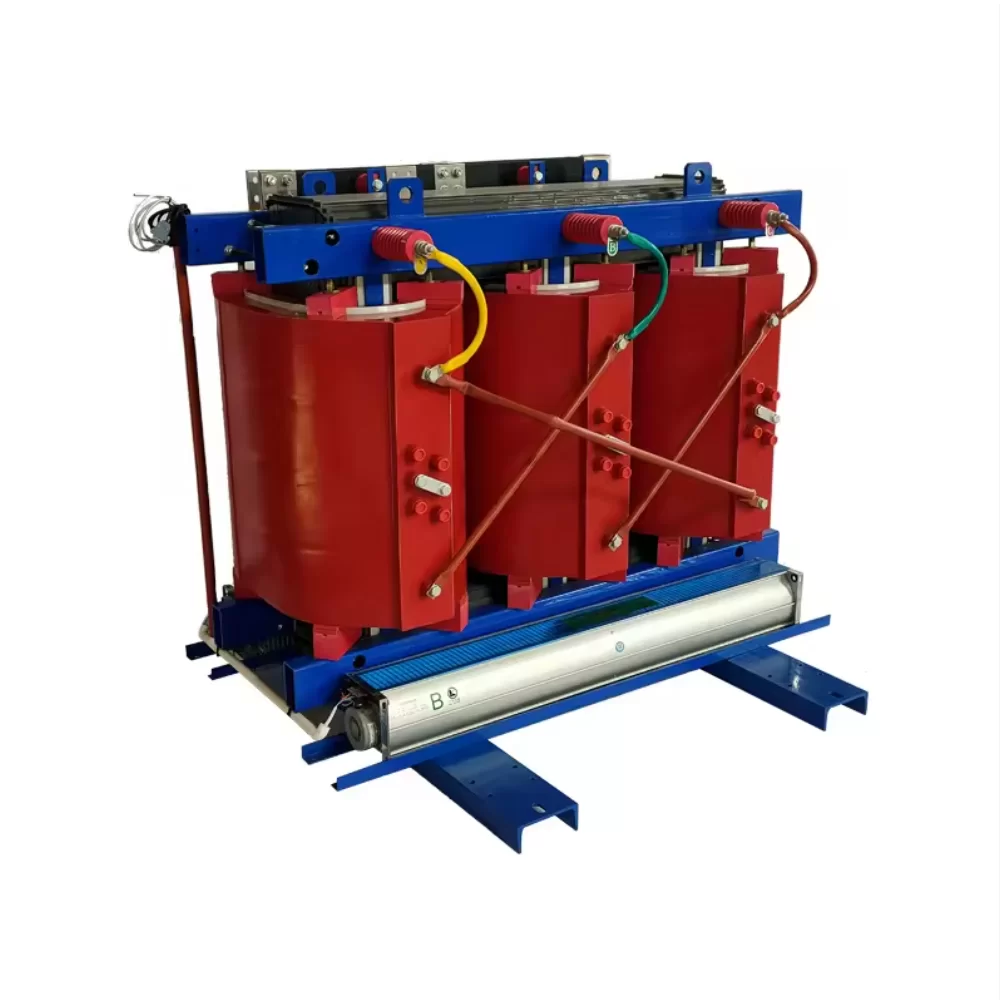
In the modern industrial landscape, energy efficiency is no longer a luxury but a necessity. The Low Loss Dry-type Transformer represents a pinnacle of electrical engineering, designed to reduce energy waste while maintaining peak performance. Unlike oil-filled alternatives, these transformers utilize air or resin for cooling, making them safer and more environmentally friendly. For manufacturers in the metal products and structural steel industries, integrating these units means lower operational costs and a reduced carbon footprint. This article provides a deep dive into why choosing a low-loss solution is the smartest move for your facility's power infrastructure.

The primary appeal of a Low Loss Dry-type Transformer lies in its ability to minimize "no-load" and "load" losses. By utilizing high-grade amorphous steel or advanced silicon steel cores, these transformers significantly reduce hysteresis and eddy current losses. This leads to a substantial decrease in heat generation, which in turn reduces the need for intensive cooling systems. Furthermore, the absence of flammable oils eliminates the risk of leaks and fire hazards, making them ideal for indoor installations in metal fabrication plants and high-density urban areas. Their robust construction ensures longevity even in demanding industrial environments.
Energy Efficiency Tip: Switching to low-loss amorphous cores can reduce energy losses by up to 70% compared to traditional silicon steel cores, directly impacting your bottom line through reduced utility bills.
When evaluating equipment for a structural metal manufacturing facility, the difference between a standard unit and a Low Loss Dry-type Transformer becomes evident over the lifecycle of the product. While the initial investment for low-loss technology may be slightly higher, the Total Cost of Ownership (TCO) is significantly lower due to energy savings. Standard transformers often suffer from higher thermal stress, leading to faster insulation degradation. In contrast, low-loss models operate cooler, extending the operational lifespan of the entire electrical grid.
For the structural metal products industry, where heavy machinery and welding equipment create fluctuating loads, the Low Loss Dry-type Transformer provides the necessary stability. These environments often contain metallic dust and moisture, which can be hazardous for oil-cooled systems. The dry-type design ensures that there is no risk of oil contamination in the workspace. By installing these transformers closer to the point of use, manufacturers can also reduce voltage drops and further minimize transmission losses within the factory floor.

To ensure a perfect match for your electrical infrastructure, it is essential to review the technical parameters. A high-quality Low Loss Dry-type Transformer is characterized by its insulation class and efficiency rating. Typically, these units utilize Class F or H insulation to withstand higher temperatures, providing an extra layer of safety during peak load periods. Below are the typical specifications found in industrial-grade low-loss units.
One of the most overlooked benefits of the Low Loss Dry-type Transformer is the ease of maintenance. Since there is no oil to test or replace, the maintenance schedule is drastically simplified. Routine checks typically involve cleaning dust from the coils and inspecting connection tightness. This reduction in maintenance labor further lowers the operational overhead for metal fabrication companies. By minimizing energy leakage, these units also align with global ESG (Environmental, Social, and Governance) goals, making your facility more attractive to sustainable partners and regulators.
Investing in a Low Loss Dry-type Transformer is a strategic decision that pays dividends in both financial savings and operational safety. By reducing energy waste and eliminating oil-related risks, these transformers ensure that your manufacturing process remains efficient and uninterrupted. Whether you are upgrading an old plant or designing a new metal structure facility, prioritizing low-loss technology is the key to sustainable growth. Experience the perfect blend of reliability and efficiency today.
A low loss transformer reduces costs primarily by decreasing the amount of electrical energy converted into heat. In traditional transformers, a significant percentage of power is lost through core losses (hysteresis and eddy currents) and copper losses. By using advanced materials like amorphous steel, the Low Loss Dry-type Transformer minimizes these inefficiencies. Over several years of 24/7 operation, the reduction in kilowatt-hours consumed leads to thousands of dollars in energy savings, effectively paying back the initial price difference.
Yes, provided it is correctly specified. Dry-type transformers are often preferred in environments where oil leaks would be catastrophic. For high-humidity or dusty areas common in metal manufacturing, these transformers can be equipped with cast-resin encapsulation or specific IP-rated enclosures. This protects the windings from moisture and conductive dust, ensuring that the low-loss benefits are maintained without compromising safety. Always consult with the engineers at ymc-machinery.com to determine the best enclosure for your specific climate.
Typically, a high-quality dry-type transformer can last between 20 to 30 years. The "low loss" aspect actually helps extend this lifespan. Because these units generate less internal heat, the organic insulation materials are subject to less thermal degradation. Heat is the primary enemy of transformer insulation; by keeping operating temperatures lower, the Low Loss Dry-type Transformer maintains its dielectric strength longer than standard models, reducing the frequency of expensive replacements.
While they follow standard electrical installation protocols, a few specific considerations apply. Since they are air-cooled, proper ventilation and clearance around the unit are critical to maintain their efficiency. If the transformer is installed in a confined space, forced-air cooling (fans) may be required. Because they are often heavier than oil-filled units of the same capacity due to the core material, ensuring a reinforced concrete pad is essential. Professional installation ensures that the low-loss performance is fully realized without overheating risks.