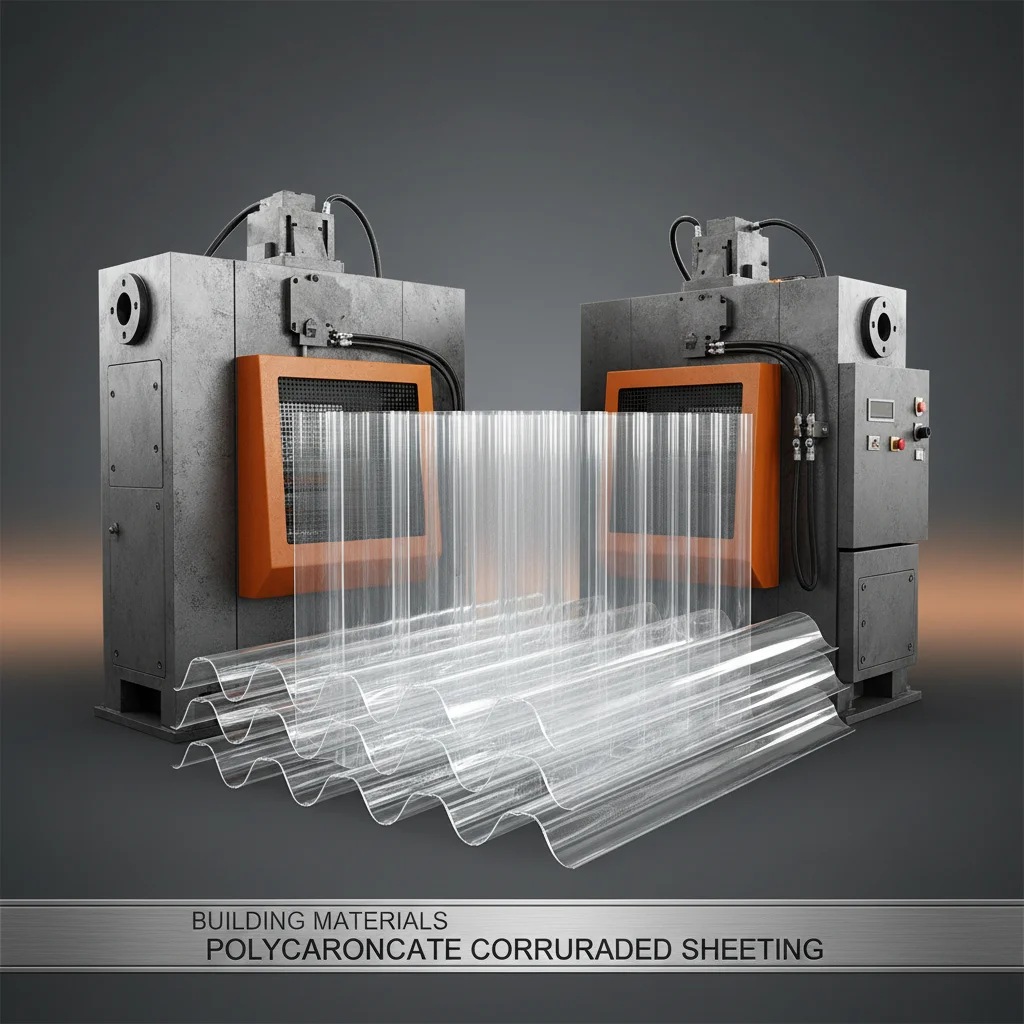
In the modern landscape of industrial construction and architectural engineering, the demand for high-performance materials has never been higher. While traditional steel frameworks provide the skeleton, the integration of advanced polymers and specialized structural components ensures longevity and functionality. Among these, the concept of a Solid PC Sheet often represents the pinnacle of transparency and impact resistance, providing a critical contrast to the heavy-duty load-bearing capabilities of welded H-beams.
Across the globe, infrastructure projects are shifting toward a hybrid approach where the strength of metal is balanced by the versatility of synthetic sheets. This synergy allows for the creation of expansive industrial workshops and commercial hubs that are not only structurally sound but also energy-efficient and aesthetically pleasing. Understanding the interaction between load-bearing steel components and protective surfacing is essential for any modern developer aiming for ISO-standard quality.
Whether it is the implementation of high-strength Welded H-beam components for the primary frame or the installation of a Solid PC Sheet for roofing and lighting, the goal remains the same: structural integrity and operational efficiency. By analyzing the mechanical properties of these materials, engineers can reduce construction timelines while enhancing the safety and durability of the final build.

Global Relevance of Solid PC Sheet in Construction
On a global scale, the integration of a Solid PC Sheet has revolutionized how industrial spaces handle natural lighting and weather protection. From the rapidly expanding industrial zones in Southeast Asia to the sophisticated architectural projects in Europe, the need for materials that combine the clarity of glass with the strength of steel is paramount. These sheets allow for a reduction in artificial lighting costs and an increase in worker productivity.
Furthermore, the global push toward sustainable building practices has placed a spotlight on lightweight yet durable materials. By pairing a Solid PC Sheet with a high-strength steel frame, such as automatic submerged arc welded H-beams, developers can significantly reduce the overall dead load of a structure. This not only lowers the cost of the foundation but also improves the building's seismic performance in high-risk regions.
Defining the Core Meaning of Solid PC Sheet
In simple technical terms, a Solid PC Sheet is a high-performance thermoplastic material made from polycarbonate. Unlike multi-wall sheets, the solid variety offers superior impact resistance and optical clarity, making it an ideal choice for safety glazing and structural roofing. It is engineered to withstand extreme temperatures and mechanical stress, filling the gap between fragile glass and opaque metal cladding.
From an industrial perspective, this material is more than just a cover; it is a solution to the challenge of creating secure, light-filled environments. In the context of metal structure manufacturing, these sheets are often used as the "skin" for buildings whose "bones" are composed of Q235B or Q355B steel. This synergy ensures that the facility remains protected from the elements while maintaining a modern, open-concept design.
Connecting this to humanitarian and urban needs, the adoption of polycarbonate solutions enables the rapid deployment of temporary clinics or emergency warehouses. Because the material is lightweight and easy to install, it allows organizations to provide dignified and safe shelters in disaster-prone areas, where traditional brick-and-mortar construction would be too slow and costly to implement.
Key Factors Driving Solid PC Sheet Performance
One of the primary factors contributing to the success of the Solid PC Sheet is its extraordinary impact resistance. In industrial settings, where flying debris or accidental collisions are common, this material provides a safety buffer that glass cannot match. Its ability to absorb energy without shattering makes it an essential component for security doors and industrial partitions.
Another critical aspect is the thermal stability and UV protection integrated into the Solid PC Sheet. Modern manufacturing processes allow for the addition of UV-resistant layers, which prevent the material from yellowing or becoming brittle under prolonged sun exposure. This ensures that the structural integrity of the roofing remains intact over decades of service.
Lastly, scalability and customization play a huge role in its application. Whether the project requires a thin sheet for lighting or a thick slab for structural shielding, the Solid PC Sheet can be tailored to specific dimensions. This flexibility allows it to be seamlessly integrated with customized Welded H-beam components, ensuring a precise fit for any architectural layout.
Global Applications and Use Cases for Solid PC Sheet
The practical application of a Solid PC Sheet spans multiple industries, from high-rise commercial buildings to bridge infrastructure. In large-scale logistics warehouses, these sheets are used as skylights to reduce energy consumption. By integrating them into a steel frame composed of primer and galvanized components, companies can create an environment that is both bright and rust-resistant.
In remote industrial zones or post-disaster relief operations, the speed of installation is the most valued asset. Modular housing and temporary workshops often utilize a Solid PC Sheet for windows and roofing because it can be cut and fitted on-site with minimal specialized equipment. This enables the rapid restoration of critical infrastructure in areas where traditional supply chains are disrupted.
Performance Comparison of Solid PC Sheet Variants
Long-Term Value and Advantages of Solid PC Sheet
The long-term value of investing in a Solid PC Sheet lies in the drastic reduction of maintenance costs. Unlike glass, which requires frequent replacement due to breakage, or metal sheets that may corrode over time, polycarbonate is inherently durable. When paired with a high-quality surface treatment like galvanization on the accompanying steel structure, the entire assembly becomes a low-maintenance asset for the property owner.
Beyond the financial logic, there is a strong emotional and social angle to using these materials: safety and dignity. In an industrial workshop, the use of a Solid PC Sheet ensures that workers are protected from external hazards without feeling isolated from natural light. This improvement in the working environment fosters trust and innovation, proving that industrial efficiency does not have to come at the expense of human well-being.
Future Trends and Innovations in Solid PC Sheet
Looking ahead, the evolution of the Solid PC Sheet is closely tied to the digital transformation of the construction industry. We are seeing the rise of "smart" polycarbonate sheets integrated with photovoltaic cells, allowing the roofing of a warehouse to generate its own electricity. This shift transforms a passive protective layer into an active energy-generating component, aligning with global green energy goals.
Automation is also playing a critical role. The use of AI-driven precision cutting and automatic submerged arc welding for the supporting H-beams ensures that the Solid PC Sheet fits with micron-level accuracy. This eliminates gaps, reduces heat leakage, and enhances the overall airtightness of the building, further driving down operational costs.
Sustainability is the final frontier. Research is currently focused on creating biodegradable or fully recyclable polycarbonate variants that maintain the same high strength. By moving toward a circular economy, the industry can ensure that the Solid PC Sheet provides value not just during its service life, but also at the end of its cycle through advanced material recovery.
Challenges and Technical Solutions for Solid PC Sheet
Despite its advantages, one common challenge with the Solid PC Sheet is its susceptibility to scratching if not handled correctly. To overcome this, manufacturers are developing hard-coated surfaces that increase the Shore hardness of the material. This ensures that the sheets maintain their optical clarity even in harsh environments where dust and grit are prevalent.
Another technical hurdle is the coefficient of thermal expansion, which differs significantly from that of steel. If a Solid PC Sheet is bolted too tightly to a Welded H-beam, it may warp during extreme temperature shifts. The solution lies in the use of flexible gaskets and oversized mounting holes, allowing the material to expand and contract naturally without compromising the seal.
Finally, achieving the perfect balance between light transmission and heat insulation remains a priority. Advanced multi-layer co-extrusion techniques are now being used to create Solid PC Sheet options with reflective coatings. These coatings block infrared heat while letting in visible light, effectively solving the "greenhouse effect" often associated with clear roofing in tropical climates.
Technical Analysis and Comparison of Solid PC Sheet Implementations
| Application Scenario | Material Specification | Installation Complexity | Durability Score (1-10) |
|---|
| Industrial Skylights | UV-Coated 4mm Sheet | Moderate | 9 |
| Security Partitions | High-Impact 10mm Sheet | High | 10 |
| Emergency Shelters | Standard 2mm Sheet | Low | 7 |
| Commercial Facades | Tinted 6mm Sheet | Moderate | 8 |
| Bridge Sound Barriers | Frosted 8mm Sheet | High | 9 |
| Greenhouse Roofing | Clear 3mm Sheet | Low | 6 |
FAQS
The primary advantage is impact resistance. A Solid PC Sheet is virtually unbreakable compared to tempered glass, which can shatter into thousands of pieces upon high-velocity impact. Additionally, polycarbonate is significantly lighter, reducing the load on the supporting Welded H-beam structures and simplifying the installation process.
Yellowing is caused by UV radiation. To prevent this, you must select a sheet with a specialized UV-resistant coating applied to the exterior surface. This layer absorbs harmful rays and protects the polymer chain, ensuring that the material remains clear and structurally sound for 10 to 20 years depending on the environment.
Yes, polycarbonate has an impressive thermal range. However, because it expands and contracts more than steel, you must use flexible mounting systems. By utilizing rubber gaskets and allowing for slight movement in the fasteners, the sheet can withstand temperature swings from -40°C to 120°C without cracking or warping.
Absolutely. While the initial material cost may be higher than some plastics, the long-term savings in energy (due to natural lighting) and maintenance (due to durability) make it highly cost-effective. When integrated with standard steel components, it optimizes the total cost of ownership over the building's lifecycle.
Maintenance is simple: use a mild soap solution and a soft cloth. It is critical to avoid abrasive cleaners or harsh chemicals like acetone, which can damage the surface and compromise the UV layer. Regular rinsing with water is usually sufficient to maintain optical clarity in most industrial environments.
Yes, customization is a core feature. Depending on your needs—whether it is high-security shielding or aesthetic commercial cladding—you can specify thicknesses from 2mm to over 25mm and choose from clear, frosted, bronze, or custom-tinted options to control light transmission and heat gain.
Conclusion
The strategic integration of a Solid PC Sheet within a robust steel framework represents the ideal balance of strength, light, and durability. By combining the load-bearing precision of Welded H-beams with the resilience of polycarbonate, modern industry can create structures that are not only safer and more efficient but also more sustainable. From the technical advantages of UV protection and impact resistance to the economic benefits of reduced energy consumption, this material synergy is a cornerstone of contemporary engineering.
As we move toward a future of smart cities and green infrastructure, the role of advanced polymers will only grow. We encourage architects and project managers to look beyond traditional materials and embrace the versatility of high-performance synthetic sheets. By prioritizing quality and precision in both the skeleton and the skin of a building, you ensure a legacy of reliability and innovation. Visit our website: www.ymc-machinery.com