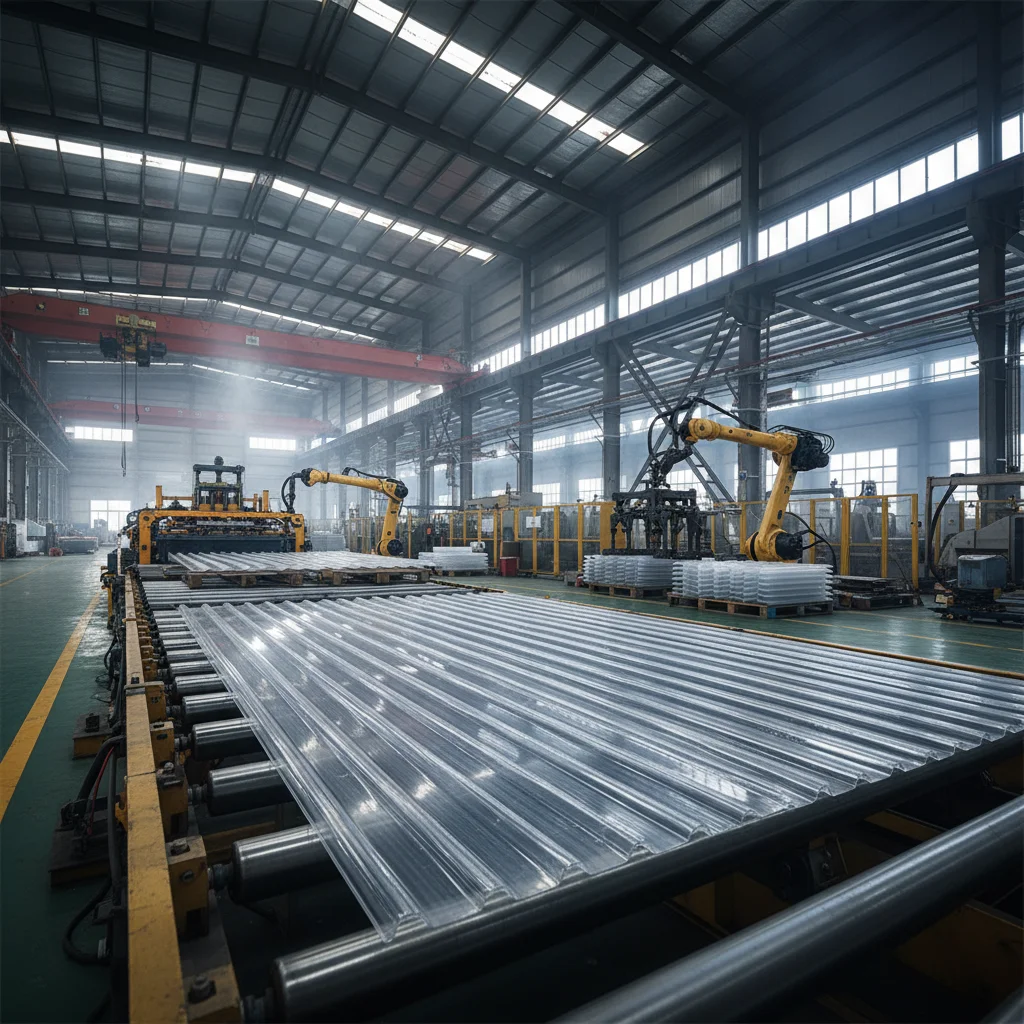
The 35kV Three-phase Dry-type Transformer represents a critical advancement in medium-voltage power distribution, offering a safer and more efficient alternative to traditional oil-filled units. By utilizing air or resin as an insulating medium, these transformers eliminate the risk of oil leaks and fire hazards, making them indispensable for urban infrastructure and industrial settings.
Globally, the demand for reliable power distribution is surging as industries move toward automation and sustainable energy. The implementation of a 35kV Three-phase Dry-type Transformer ensures that high-voltage power is stepped down effectively while maintaining a compact footprint, which is essential for modern city planning and high-density industrial zones.
Understanding the technical nuances of the 35kV Three-phase Dry-type Transformer is key for engineers and procurement officers looking to optimize energy efficiency. These units provide an ideal balance of operational reliability and low maintenance, ensuring that critical power grids remain stable under varying load conditions.

Global Industrial Relevance of 35kV Transformers
In the current global industrial landscape, the 35kV Three-phase Dry-type Transformer serves as a cornerstone for power stability. According to international electrical standards and ISO guidelines, the transition toward dry-type insulation is accelerating to meet stricter environmental and safety regulations, particularly in densely populated urban areas where traditional oil-cooled transformers pose significant risks.
The primary challenge addressed by these units is the need for high-capacity power distribution without the associated environmental liabilities of mineral oils. By adopting this technology, industries can ensure a continuous power supply while drastically reducing the cost of fire suppression systems and containment infrastructure.
Definition and Core Mechanics of Dry-Type Systems
A 35kV Three-phase Dry-type Transformer is a power distribution device that uses air or a solid insulating material, such as cast resin, instead of oil to cool and insulate its windings. This design allows for the efficient transformation of medium-voltage electricity into usable levels for industrial machinery and commercial buildings, all while operating in an open-air or enclosed environment.
From a technical perspective, the "three-phase" aspect refers to the system's ability to handle three alternating currents of the same frequency but offset in phase. This is the global standard for industrial power, providing a more consistent energy flow and higher efficiency for large motors and heavy-duty equipment compared to single-phase systems.
The connection to modern humanitarian and industrial needs is evident in the push for "green" infrastructure. Because they do not contain flammable liquids, these transformers are safer for installation in hospitals, airports, and underground malls, where human safety and rapid evacuation are the highest priorities.
Key Technical Factors for Operational Durability
Durability in a 35kV Three-phase Dry-type Transformer is primarily achieved through the quality of the cast resin insulation. High-grade epoxy resins protect the windings from moisture, dust, and chemical pollutants, ensuring that the device can operate in harsh industrial environments without the need for frequent internal cleaning or oil filtration.
Scalability and cost-efficiency are also critical factors. A well-designed 35kV Three-phase Dry-type Transformer allows for modular installation, meaning capacity can be expanded as the facility grows. This reduces the initial capital expenditure and prevents the need for a complete system overhaul during future expansions.
Thermal management is the final pillar of performance. By integrating advanced cooling fans and optimized ventilation paths, the 35kV Three-phase Dry-type Transformer can handle peak loads without overheating, which extends the lifespan of the insulation and reduces the likelihood of unexpected downtime.
Global Applications and Implementation Cases
The versatility of the 35kV Three-phase Dry-type Transformer makes it a preferred choice across diverse sectors. In remote industrial zones, such as mining operations in Australia or oil refineries in the Middle East, these units provide reliable power in areas where oil logistics would be complex and hazardous.
In urban settings, such as the high-rise commercial districts of Singapore or New York, these transformers are often placed in basement substations. Their fire-resistant nature removes the need for expensive oil-containment pits, allowing developers to maximize usable real estate while ensuring a steady flow of electricity to thousands of tenants.
Performance Comparison of 35kV Transformer Technologies
Long-Term Value and Sustainability Benefits
The long-term value of investing in a 35kV Three-phase Dry-type Transformer is rooted in its minimal maintenance requirements. Unlike oil-filled transformers that require periodic oil sampling, filtration, and gasket replacements, dry-type units only require basic dusting and terminal tightening, which significantly lowers the Total Cost of Ownership (TCO).
Beyond financial gains, there is a profound environmental impact. By eliminating the risk of toxic oil spills into the soil or groundwater, these units align with global ESG (Environmental, Social, and Governance) goals. This commitment to sustainability fosters trust with regulators and the public, positioning a company as an innovative and responsible leader in industrial power.
Future Trends in Medium Voltage Distribution
The future of the 35kV Three-phase Dry-type Transformer is being shaped by the integration of IoT (Internet of Things) and smart sensing technology. Real-time temperature monitoring and partial discharge analysis are becoming standard, allowing operators to predict failures before they occur and transition from reactive to predictive maintenance.
Furthermore, the rise of renewable energy sources, such as large-scale solar farms and wind turbines, requires transformers that can handle fluctuating loads and harmonic distortions. Next-generation dry-type units are being engineered with specialized materials to withstand these stresses, ensuring the stability of the "smart grid."
Digital transformation is also influencing manufacturing. The use of 3D modeling and precision casting is allowing for more optimized winding geometries, which reduces energy loss (no-load loss) and increases the overall energy efficiency of the 35kV Three-phase Dry-type Transformer, contributing to a lower global carbon footprint.
Overcoming Challenges in Power Infrastructure
Despite their advantages, one common challenge is the higher initial procurement cost compared to oil-filled transformers. However, expert insights suggest that when the cost of fire-rated rooms, oil containment systems, and ongoing maintenance is factored in, the 35kV Three-phase Dry-type Transformer is actually the more economical choice over a 20-year lifecycle.
Another limitation is the sensitivity to extreme overloading, as dry-type units cannot dissipate heat as rapidly as circulating oil. The solution lies in the implementation of forced-air cooling systems (AF) and advanced thermal sensors that automatically trigger ventilation, allowing the unit to operate safely even during unexpected demand spikes.
By focusing on high-quality materials and smart cooling integration, the industry is effectively overcoming these hurdles. The move toward standardized, modular components also ensures that replacement parts are readily available, minimizing downtime and ensuring that critical power infrastructure remains resilient.
Comparative Analysis of 35kV Three-phase Dry-type Transformer Specifications
| Insulation Type | Fire Risk Level | Maintenance Needs | Life Expectancy (Years) |
|---|
| Cast Resin (Premium) | Very Low | Minimal | 25-30 |
| Vacuum Cast | Low | Low | 20-25 |
| Standard Epoxy | Low | Moderate | 15-20 |
| Air-Cooled | Very Low | Moderate | 15-20 |
| Hybrid-Dielectric | Low | Low | 20-25 |
| Oil-Filled (Reference) | High | High | 20-30 |
FAQS
The primary safety advantage is the absence of flammable mineral oil. In the event of an internal fault, dry-type transformers are self-extinguishing and do not leak hazardous chemicals. This eliminates the risk of catastrophic fires and environmental contamination, making them ideal for indoor installations where safety codes are stringent.
With proper installation and basic maintenance, a high-quality 35kV Three-phase Dry-type Transformer can last between 20 to 30 years. The lifespan depends heavily on the quality of the cast resin and the consistency of thermal management (cooling) provided during peak operation periods.
Yes, the initial purchase price is typically higher. However, this is offset by the removal of costs associated with oil containment pits, specialized fire suppression systems, and the significantly lower ongoing maintenance costs. When viewed as a lifecycle investment, they are often more cost-effective.
They can handle short-term overloads, but their capacity is limited by the thermal limits of the resin. To manage this, most units are equipped with temperature sensors and forced-air cooling fans that increase the rated capacity by allowing faster heat dissipation during high-demand periods.
Maintenance is minimal. The main tasks include periodic cleaning of the cooling vents and windings to remove dust (which can cause overheating), inspecting the tightness of electrical connections, and verifying the functionality of the temperature monitoring system.
While they are predominantly used indoors, they can be installed outdoors if they are housed within a weatherproof and ventilated enclosure. This protects the cast resin and windings from direct rain and extreme environmental pollutants while allowing the unit to stay cool.
Conclusion
The 35kV Three-phase Dry-type Transformer stands as a pivotal technology in modern power distribution, successfully merging high-capacity electrical performance with uncompromising safety and environmental standards. By replacing volatile oils with advanced resins and air cooling, these units provide a reliable, low-maintenance solution that reduces operational risk and lowers the long-term cost of ownership for industrial and commercial entities alike.
As we move toward a future defined by smart grids and green energy, the importance of resilient and sustainable power infrastructure cannot be overstated. Investing in dry-type technology is not merely a technical upgrade but a strategic move toward safer urban development and industrial efficiency. For those seeking high-performance power solutions, we invite you to explore our professional range. Visit our website: www.ymc-machinery.com