Hit enter to search or ESC to close


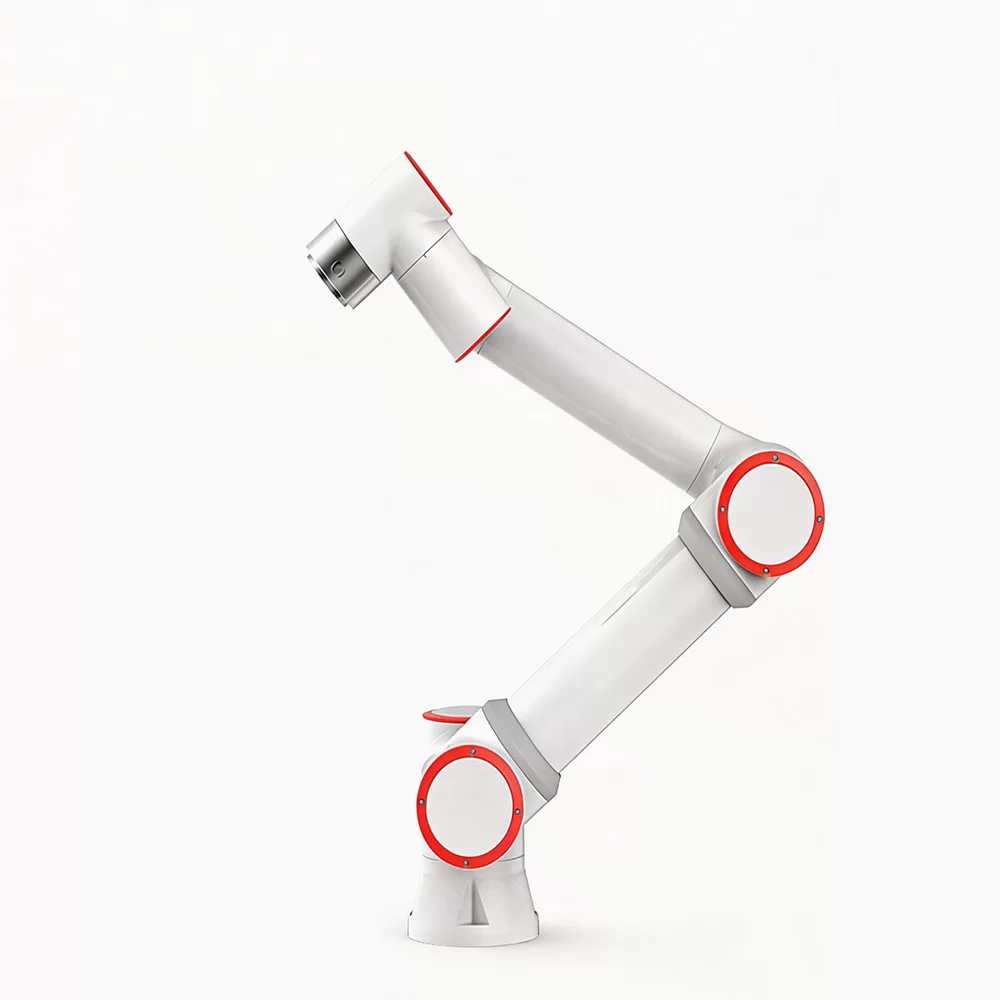
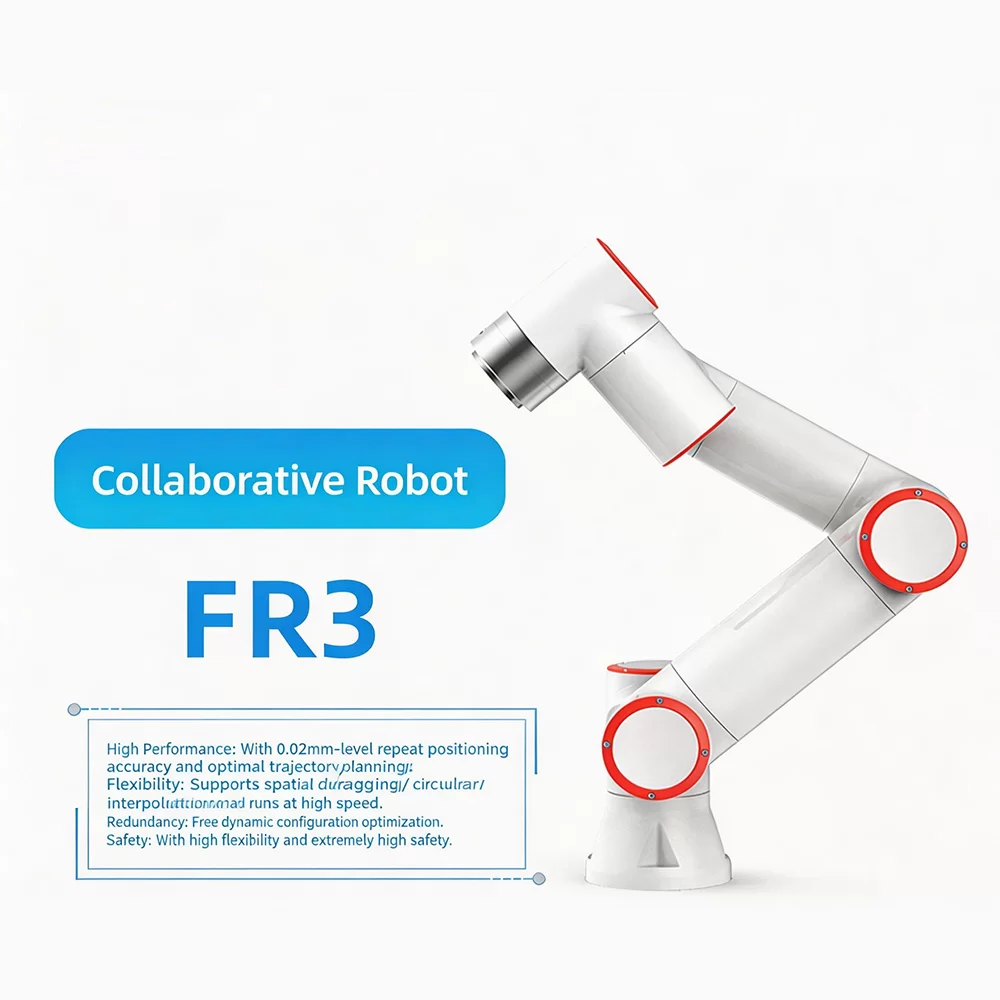
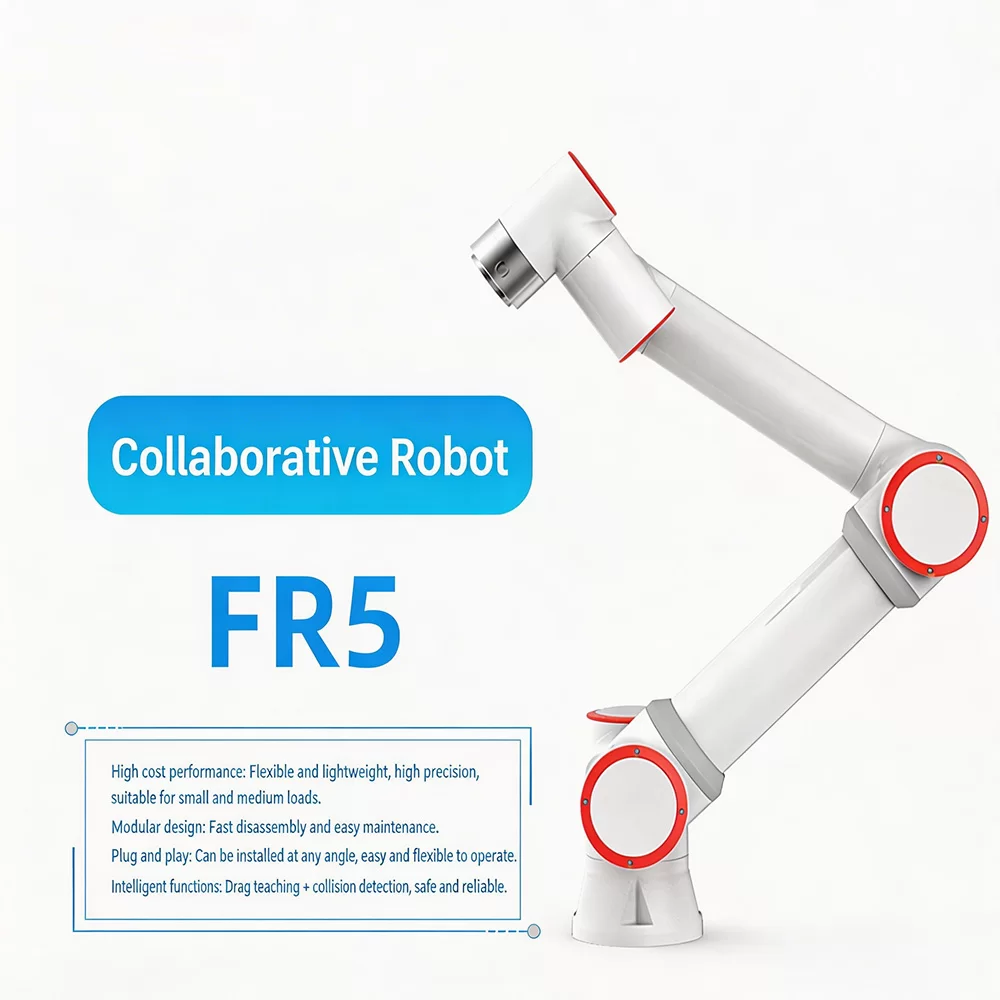
Collaborative robots, commonly known as cobots, represent the next generation of intelligent automation designed to work in harmony with human operators. Unlike traditional industrial robots that require restrictive safety cages, these flexible systems utilize advanced sensing technology to operate safely in shared workspaces, bridging the gap between manual craftsmanship and fully automated production.
Engineered for versatility and ease of deployment, our collaborative robots are ideal for a wide array of precision tasks including assembly, grinding, and welding. By integrating these cobots into your workflow, manufacturers in the automotive, electronics, and metal processing sectors can significantly enhance productivity, reduce operational fatigue, and achieve higher consistency in complex industrial applications.
| Product Category | Collaborative Robot (Cobot) | Control System | Intelligent Automatic Control |
|---|---|---|---|
| Safety Mechanism | Built-in Collision Detection | Deployment Level | Flexible & Easy to Deploy |
| Performance | High Precision & Stable | Structure | Lightweight & Portable |
| Payload Capacity | Wide Load Range Options | Power Consumption | Low Energy Requirement |
| Compatibility | Multi-End Effector Support | Maintenance | Low-Cost Lifecycle Care |
Advanced collision detection allows safe human-machine cooperation without the need for protective guarding.
Intuitive interfaces and easy-to-program logic ensure a short learning curve and fast setup times.
Delivers consistent, high-precision performance for intricate assembly and metal processing tasks.
Lightweight design facilitates quick installation and effortless relocation across the factory floor.
A wide load range ensures compatibility with various industrial parts and material weights.
High compatibility with various end effectors for versatile application across different industries.
Seamlessly integrate cobots into existing automotive and electronic production lines.
Easily adjust robot parameters for different tasks like grinding, welding, or loading.
Continuous tracking of system performance and collision alerts for maximum safety.
Digital calibration tools to maintain high stability in medical device assembly.
Efficient handling of high-volume loading and unloading cycles in metal processing.
Low power consumption management to reduce the overall carbon footprint of the plant.
| Comparison Metric | Traditional Industrial Robot | Collaborative Robot (Cobot) |
|---|---|---|
| Installation Cost | High (Requires Safety Fencing) | Low (Fence-Free Setup) |
| Programming Time | Weeks (Requires Specialist) | Days (Simple Interface) |
| Floor Space Usage | High (Dedicated Robot Area) | Low (Shared Workspace) |
| Operational Flexibility | Fixed Task/Station | Multi-Task/Relocatable |
| Maintenance Overhead | Moderate to High | Low (Simplified Design) |
Cobots feature built-in collision detection sensors that immediately stop the arm upon contact with a human, eliminating the need for heavy industrial cages.
Our collaborative robots are designed with a wide load range to meet various application needs, from lightweight electronics to heavier metal processing parts.
They are lightweight, easy to move, and feature simple programming interfaces that allow staff to set up tasks without needing advanced coding knowledge.
Automotive, 3C electronics, metal processing, and medical device assembly benefit most due to the need for a blend of precision and human flexibility.
Yes, they offer high compatibility with various grippers, suction cups, and welding tools, making them versatile for multiple production stages.
Yes, thanks to their efficient design and low power consumption, cobots typically require less maintenance compared to heavy-duty industrial robots.