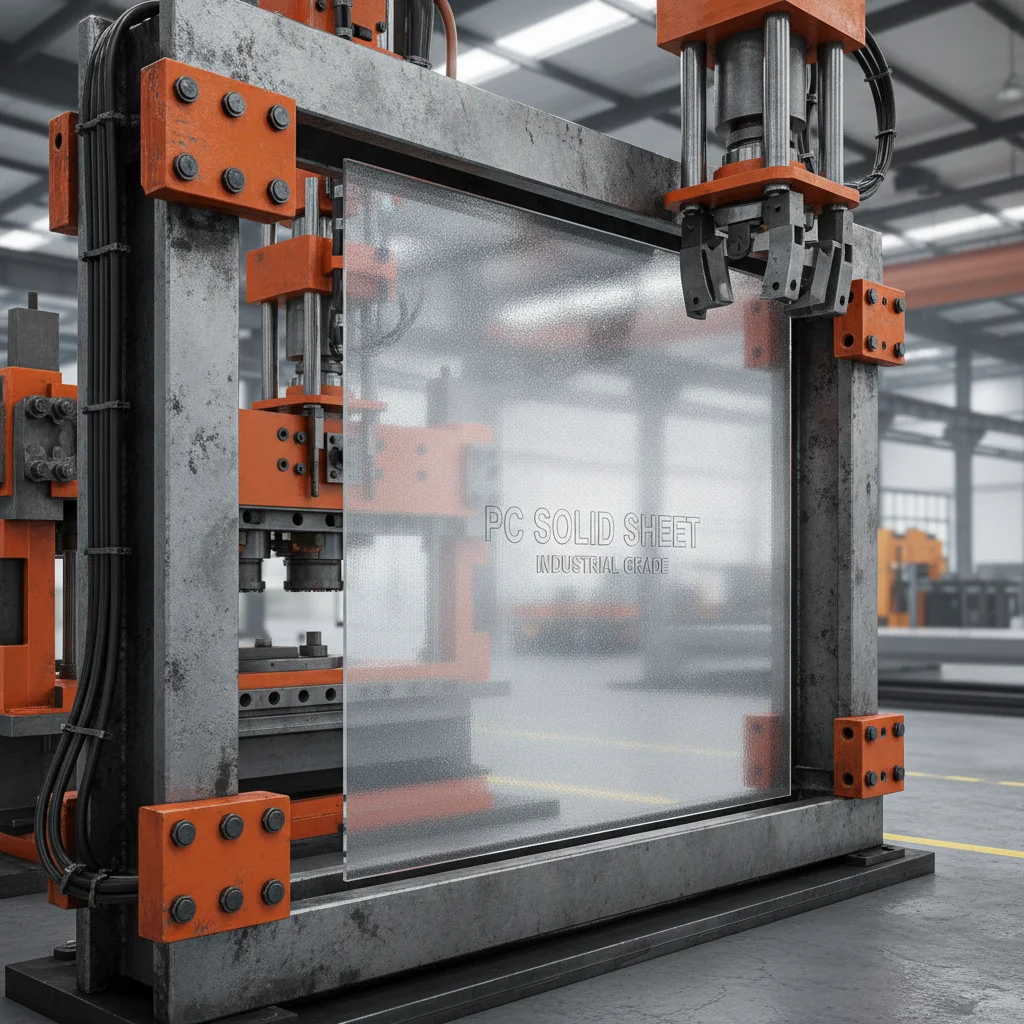
The integration of advanced polymer science in modern construction has led to the widespread adoption of the UV-resistant PC Sheet, a material that blends extreme impact resistance with superior light transmission. In an era where architectural designs push the boundaries of openness and transparency, ensuring that materials can withstand prolonged exposure to solar radiation is no longer optional but a critical requirement for structural integrity.
Globally, the demand for high-performance glazing solutions has surged as industries move toward sustainable, lightweight, and durable alternatives to glass. The UV-resistant PC Sheet addresses the fundamental challenge of photo-degradation, preventing the yellowing and brittleness that typically plague standard polycarbonate when exposed to the sun's harsh ultraviolet rays.
Understanding the technical nuances of these sheets—from their co-extruded UV-blocking layers to their thermal expansion properties—allows engineers and architects to create safer, more energy-efficient environments. By leveraging these materials, the global construction and industrial sectors can significantly reduce maintenance costs while enhancing the lifespan of outdoor installations.

Global Industry Context of UV-resistant PC Sheet
From a global perspective, the transition toward "green building" certifications (such as LEED or BREEAM) has accelerated the use of UV-resistant PC Sheet. According to industrial trends aligned with ISO standards for plastics, the ability to filter harmful UV radiation while permitting visible light is essential for reducing the cooling load of buildings, thereby lowering carbon emissions.
In regions with high solar indices, such as Southeast Asia, the Middle East, and Australia, standard plastics fail rapidly. The industry has responded by developing advanced co-extrusion techniques that bond a UV-absorbing layer to the polycarbonate core, ensuring that the material maintains its optical clarity and mechanical strength for decades rather than years.
Defining the Technical Essence of UV-resistant PC Sheet
At its core, a UV-resistant PC Sheet is a high-performance thermoplastic produced from polycarbonate, specifically engineered to resist degradation caused by ultraviolet radiation. Unlike standard PC, which can suffer from "yellowing" due to the breaking of molecular chains under UV exposure, the UV-resistant variant incorporates specialized stabilizers or a protective coating.
This material is crucial for modern humanitarian and industrial needs, providing a lightweight yet virtually unbreakable alternative to tempered glass. Whether used in emergency shelters in disaster-prone zones or as high-security skylights in urban centers, it offers a unique combination of transparency and safety.
The technical superiority of these sheets lies in their ability to block wavelengths below 380nm, which are the primary drivers of material fatigue and skin damage. This makes the UV-resistant PC Sheet an indispensable component in the manufacturing of greenhouses, stadium roofs, and industrial enclosures.
Core Components and Performance Factors
One of the primary factors determining the quality of a UV-resistant PC Sheet is the durability of the UV-absorbing layer. This layer must be chemically bonded to the substrate to prevent peeling or delamination over time, ensuring the sheet remains clear even in extreme weather cycles.
Impact Resistance and Scalability are equally vital. The polycarbonate base provides a strength-to-weight ratio that is significantly higher than glass, allowing for the construction of large-span roofs without the need for heavy supporting steel, which in turn reduces the total cost of the structure.
Finally, Thermal Stability ensures that the UV-resistant PC Sheet does not warp or crack during rapid temperature fluctuations. By managing the coefficient of thermal expansion, manufacturers create sheets that remain secure within their frames, preventing leaks and structural failures in industrial environments.
Practical Applications Across Global Sectors
The versatility of the UV-resistant PC Sheet is evident in its widespread use across diverse industries. In the agricultural sector, these sheets are used to build high-tech greenhouses that optimize sunlight for crop growth while protecting plants from harmful UV radiation that can cause leaf burn.
In industrial zones, specifically within the metal structure and machinery sectors, these sheets are used as protective covers for sensitive equipment. For instance, in remote mining operations or offshore platforms, they provide a transparent barrier that protects electronics from debris and sun damage without sacrificing visibility.
Performance Comparison of UV-resistant PC Sheet Variants
Long-Term Value and Economic Advantages
Investing in a high-quality UV-resistant PC Sheet offers significant long-term financial benefits. While the initial cost may be slightly higher than non-treated plastics, the drastic reduction in replacement frequency leads to a lower Total Cost of Ownership (TCO). The material's ability to resist impact means fewer repairs after hailstorms or accidental collisions.
Beyond the balance sheet, there is an emotional and safety value. In public spaces like airports or transit hubs, the use of these sheets provides a sense of security and dignity, as they offer the aesthetic appeal of glass without the danger of shattering into sharp shards upon failure. This reliability fosters trust between the infrastructure provider and the end-user.
Future Innovations in UV-Shielding Technology
The future of UV-resistant PC Sheet is moving toward "smart" materials. We are seeing the development of photochromic and thermochromic layers that allow the sheet to change its opacity based on the intensity of the sunlight, effectively automating temperature control within a building.
Sustainability is also driving innovation. New recycling processes are being implemented to ensure that polycarbonate sheets can be repurposed at the end of their life cycle without losing their structural properties. This aligns with global digital transformation and the circular economy, reducing the environmental footprint of industrial construction.
Furthermore, the integration of nanotechnology is allowing for thinner, stronger UV barriers that provide 99.9% blockage while maintaining 92% light transmission. These advancements ensure that the UV-resistant PC Sheet remains the gold standard for transparent structural materials.
Overcoming Common Implementation Challenges
One of the most common challenges when installing UV-resistant PC Sheet is managing thermal expansion. Because polycarbonate expands and contracts more than steel or aluminum, rigid fastening can lead to cracking or bowing. The professional solution involves using oversized pre-drilled holes and flexible EPDM gaskets.
Another limitation is the susceptibility of the surface to scratching. To overcome this, manufacturers are now offering "hard-coated" versions of the UV-resistant PC Sheet, which combine UV protection with a scratch-resistant outer layer, making them ideal for high-traffic industrial areas.
Finally, selecting the correct thickness for the specific load-bearing requirement is often a point of failure for inexperienced buyers. We recommend utilizing structural simulation software to determine the optimal gauge, ensuring that the sheet provides the necessary safety factor without unnecessary material waste.
Technical Analysis of UV-resistant PC Sheet Performance Factors
| Material Variant | UV Blockage Rate | Impact Strength | Expected Lifespan |
|---|
| Standard PC Sheet | Low (< 50%) | High | 2-5 Years |
| Coated UV PC Sheet | High (85-90%) | High | 10-15 Years |
| Co-extruded UV PC Sheet | Very High (> 95%) | Very High | 20+ Years |
| Multi-wall UV PC Sheet | Medium (80%) | Medium | 10-12 Years |
| Hard-coated UV PC Sheet | Very High (> 98%) | Very High | 25+ Years |
| Industrial Grade UV PC | High (90%) | Extreme | 15-20 Years |
FAQS
A genuine UV-resistant PC Sheet will typically have a specific marking or certification from the manufacturer indicating the UV-blocking layer. You can verify this by requesting a technical data sheet (TDS) that specifies the UV transmission percentage (usually below 5%) and the method of protection—whether it is a co-extruded layer or a surface coating. Co-extruded layers are generally more durable as they cannot be scratched off.
Modern UV-resistant PC Sheet technology is designed to block only the invisible ultraviolet spectrum while allowing the visible light spectrum to pass through. This means there is virtually no perceptible loss in transparency. High-quality sheets maintain over 90% light transmission, making them ideal for roofing and lighting applications where natural brightness is required.
No, it is critical to use neutral-cure silicone sealants. Acidic cure sealants (common in some hardware store brands) can chemically react with the polycarbonate and the UV-protective layer, leading to "crazing" (tiny internal cracks) and premature failure of the sheet. Always ensure your adhesives and sealants are specifically rated as "polycarbonate safe" to maintain the integrity of the UV-resistant PC Sheet.
The lifespan depends on the protection method. Surface coatings may degrade after 5-10 years. However, co-extruded UV-resistant PC Sheet options can last 20 years or more before significant yellowing occurs. The lifespan is also influenced by the geographical location; sheets in equatorial regions face higher stress than those in temperate climates.
Yes, for most structural applications. While acrylic has naturally better UV stability, it is brittle and can shatter upon impact. The UV-resistant PC Sheet provides the best of both worlds: the impact strength of polycarbonate and the solar resistance of acrylic, making it the superior choice for security, safety, and durability in outdoor environments.
While possible, painting is generally discouraged unless using specialized plastic-bond paints. Painting the surface can trap heat and potentially interfere with the UV-protective layer's function. If additional shading is needed, it is better to select a tinted UV-resistant PC Sheet during the ordering process, as factory-tinted sheets provide uniform protection and better aesthetic longevity.
Conclusion
The UV-resistant PC Sheet represents a critical intersection of material science and practical engineering. By solving the inherent weakness of polycarbonate—its vulnerability to solar radiation—this material has enabled the creation of structures that are simultaneously transparent, lightweight, and nearly indestructible. From agricultural efficiency to industrial safety, the value of these sheets lies in their ability to provide long-term reliability and reduced maintenance in the face of harsh environmental conditions.
As we look toward a future defined by sustainable architecture and smart cities, the role of advanced polymers will only grow. We encourage engineers and procurement specialists to prioritize co-extruded UV protection to ensure the maximum lifespan of their installations. For high-performance solutions that meet international safety and durability standards, we invite you to explore our full range of industrial materials. Visit our website: www.ymc-machinery.com