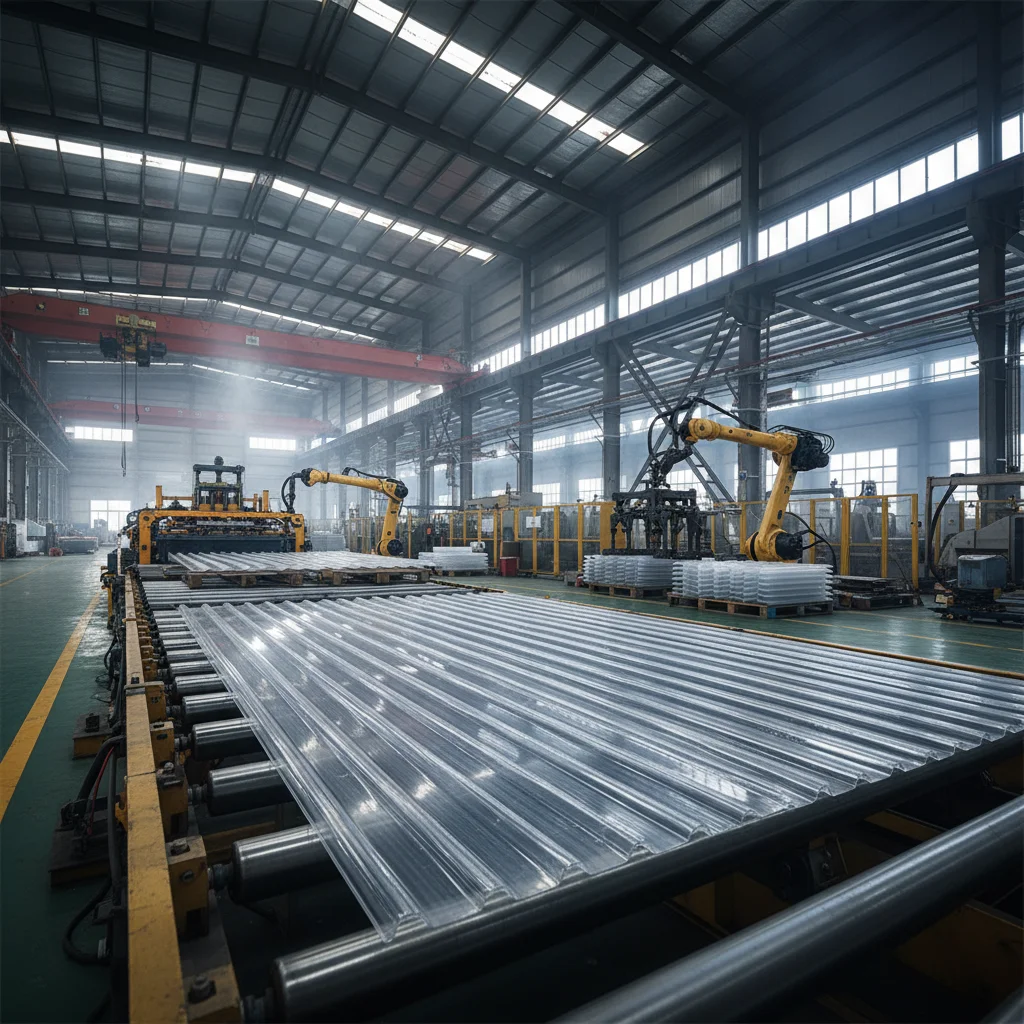
The global shift toward sustainable and high-performance building materials has placed a significant spotlight on advanced polycarbonate solutions. Among these, the Type 840 PC Corrugated Tile stands out as a critical innovation in the metal structure and roofing industry, blending the strength of traditional materials with the lightweight versatility of modern polymers. By integrating superior light transmission with high impact resistance, this material is redefining how industrial and commercial spaces approach natural lighting and weatherproofing.
Understanding the technical nuances of Type 840 PC Corrugated Tile is essential for architects and engineers who aim to reduce energy consumption while maintaining structural integrity. In an era where ISO standards for building safety and environmental efficiency are becoming more stringent, selecting a roofing material that balances thermal insulation and durability is no longer optional—it is a competitive necessity. This tile provides a strategic solution for those looking to optimize the longevity of their steel structure equipment.
Beyond mere utility, the adoption of Type 840 PC Corrugated Tile addresses the global challenge of urban heat islands and the high cost of artificial lighting in large-scale warehouses. By leveraging the unique geometry of the 840 profile, these tiles ensure efficient water runoff and structural stability under extreme wind loads. This comprehensive guide explores the technical specifications, global applications, and the long-term commercial value of integrating these advanced polycarbonate tiles into modern construction projects.

Global Relevance of Type 840 PC Corrugated Tile
In the current global construction landscape, the demand for materials that offer both transparency and resilience has surged. The Type 840 PC Corrugated Tile has become a staple in industrial zones across Asia, Europe, and North America due to its ability to replace heavy glass or fragile PVC sheets. As industries move toward "Green Building" certifications, the ability of polycarbonate to reduce electricity costs via natural daylighting is a primary driver for its widespread adoption.
Moreover, the logistical advantages of these tiles—specifically their high strength-to-weight ratio—make them ideal for rapid deployment in large-scale steel structure projects. By reducing the dead load on the supporting frame, engineers can optimize the amount of steel used, thereby lowering the overall carbon footprint of the construction process and reducing material waste in accordance with modern sustainability goals.
Defining the Type 840 PC Corrugated Tile System
At its core, the Type 840 PC Corrugated Tile is a high-performance roofing solution manufactured from virgin polycarbonate resin. The "840" designation refers to the specific profile width and wave geometry, which is engineered to align perfectly with standard corrugated metal sheets. This compatibility allows for the seamless creation of "hybrid roofs" where opaque metal sections are interspersed with translucent PC tiles to provide targeted natural lighting.
Unlike traditional plastics, the PC (polycarbonate) composition provides an exceptional level of impact resistance—often referred to as "unbreakable" in commercial contexts. This makes the tiles particularly effective in regions prone to hailstorms or high-velocity winds, where traditional acrylic or fiberglass panels would crack or shatter. The material is chemically formulated to resist UV degradation, ensuring that the transparency does not yellow over time.
From a humanitarian and industrial perspective, this system addresses the need for hygienic, bright, and weather-resistant environments. Whether it is used in food processing plants that require strict cleanliness or in remote industrial workshops where power for lighting is unstable, the Type 840 PC Corrugated Tile provides a reliable, low-maintenance barrier against the elements while inviting the benefits of the sun.
Core Technical Components of PC Roofing
The durability of the Type 840 PC Corrugated Tile is rooted in its molecular structure. The high-impact resistance is not merely a surface feature but a result of the polycarbonate's inherent toughness, which allows it to absorb energy during impacts without compromising the structural integrity of the roof.
A critical component of the Type 840 PC Corrugated Tile is the UV-stabilization layer. This co-extruded coating acts as a shield, filtering out harmful ultraviolet rays that would otherwise break down the polymer chains. This ensures that the tiles maintain their clarity and mechanical strength for decades, even in high-exposure environments like tropical regions or high-altitude sites.
Thermal expansion management is another core aspect of the design. Because polycarbonate expands and contracts more than steel, the Type 840 profile is engineered to allow for slight movement. When installed with the correct fasteners and oversized holes, the tiles prevent stress fractures, ensuring a leak-proof seal regardless of temperature fluctuations.
Performance Metrics and Efficiency Analysis
When comparing roofing materials, the efficiency of the Type 840 PC Corrugated Tile is most evident in its light transmission and thermal properties. By optimizing the wave height and thickness, these tiles provide a diffuse light that eliminates harsh glares and shadows within a workspace, which significantly improves worker productivity and safety in industrial environments.
Furthermore, the cost-to-performance ratio of the Type 840 system is superior to that of reinforced glass. While the initial investment is competitive, the reduction in installation time and the lack of need for heavy lifting equipment lead to substantial savings during the construction phase.
Performance Comparison of Type 840 PC Corrugated Tile Variants
Real-World Global Applications
The versatility of the Type 840 PC Corrugated Tile makes it an ideal choice for diverse environments. In Southeast Asia, these tiles are extensively used in agricultural greenhouses and livestock shelters, where they protect animals from heavy monsoon rains while providing the necessary sunlight for plant growth. The material's resistance to corrosion from ammonia and other agricultural chemicals ensures a long service life.
In industrial hubs across Europe and the Middle East, the tiles are integrated into massive logistics centers and aircraft hangars. By replacing segments of the steel roof with Type 840 PC tiles, companies have reported a significant drop in daytime lighting costs and a noticeable improvement in the mental well-being of employees who now work in naturally lit environments.
Long-Term Commercial Value and Sustainability
Investing in Type 840 PC Corrugated Tile is not just a construction choice; it is a long-term financial strategy. The reduction in maintenance costs—due to the material's resistance to oxidation and corrosion—means that facility managers spend less on roof repairs over a 20-year cycle. When compared to traditional asbestos or PVC sheets, the PC variant offers a safer, non-toxic alternative that complies with global health and safety regulations.
From a sustainability angle, the energy savings derived from natural lighting directly contribute to a lower operational carbon footprint. Furthermore, polycarbonate is a recyclable thermoplastic, meaning that at the end of the building's lifecycle, the tiles can be processed and reused, aligning with the circular economy principles that are now mandatory for many government-funded infrastructure projects.
The psychological impact of natural light cannot be overlooked. In commercial settings, "daylighting" is proven to increase alertness and reduce errors in precision manufacturing. Therefore, the Type 840 PC Corrugated Tile adds value not only to the physical structure but also to the human capital operating within the facility.
Future Innovations in Polycarbonate Roofing
The evolution of the Type 840 PC Corrugated Tile is moving toward "smart" materials. We are seeing the integration of nano-coatings that provide self-cleaning properties, where rainwater washes away dust and pollutants automatically, maintaining maximum light transmission without manual scrubbing. This is particularly revolutionary for factories in high-pollution industrial zones.
Another emerging trend is the development of BIPV (Building-Integrated Photovoltaics) compatible polycarbonate. Future iterations of the Type 840 profile may include thin-film solar cells embedded within the polycarbonate layers, allowing the roof to generate electricity while still providing translucent light. This would transform the roof from a passive shield into an active energy generator.
As automation in construction grows, we expect to see Type 840 PC tiles designed for robotic installation, with precision-engineered interlocking edges that eliminate the need for traditional overlapping and sealants. This will further reduce installation time and the likelihood of human error leading to leaks.
Technical Analysis of Type 840 PC Corrugated Tile Performance Dimensions
| Performance Metric | Type 840 PC (Standard) | Type 840 PC (UV-Enhanced) | Industry Benchmark |
|---|
| Impact Strength | High | Very High | Moderate (Glass) |
| Light Transmission | 85-90% | 80-85% | 60-70% (PVC) |
| UV Resistance | Moderate | Excellent | Low (Standard Plastic) |
| Lifespan (Years) | 10-15 | 20-25 | 5-10 (Fiberglass) |
| Weight (kg/m2) | 1.2 - 2.5 | 1.2 - 2.5 | 5.0+ (Glass) |
| Installation Speed | Fast | Fast | Slow (Traditional) |
FAQS
Type 840 PC Corrugated Tiles are significantly more durable than fiberglass. While fiberglass tends to become brittle and "yellow" quickly due to UV exposure, polycarbonate is engineered with UV-stabilizers that maintain clarity and impact resistance for up to 25 years. Additionally, PC tiles do not crack under hail impact, whereas fiberglass is prone to shattering.
Yes, the Type 840 profile is specifically designed to be compatible with standard corrugated metal roofing. It can be integrated into new builds or used to replace old, opaque sections of an existing roof to introduce natural light. The only requirement is using the correct polycarbonate-specific fasteners to allow for thermal expansion.
While clear polycarbonate allows light in, high-quality Type 840 tiles often come with UV-blocking and heat-reflective coatings that filter out infrared radiation. This prevents the "greenhouse effect" and helps maintain a stable indoor temperature, making them more energy-efficient than standard glass or PVC options.
Absolutely. The corrugated design of the Type 840 profile provides inherent structural rigidity, allowing it to support significant snow loads. When combined with a properly engineered steel support frame, these tiles offer excellent load-bearing capacity without the risk of catastrophic failure common in thinner plastic sheets.
Maintenance is minimal. We recommend cleaning the tiles with a mild soap solution and a soft cloth or sponge to avoid scratching the surface. Avoid using abrasive chemicals or hard brushes. Because of their smooth surface, most debris is naturally washed away during rain, keeping the tiles translucent with very little effort.
Yes, polycarbonate is a recyclable thermoplastic. Furthermore, by reducing the reliance on artificial lighting during the day, these tiles significantly lower the energy consumption of a building. This contributes to LEED and other green building certifications, making it a sustainable choice for modern industrial architecture.
Conclusion
The Type 840 PC Corrugated Tile represents a perfect synergy of material science and industrial design. By offering an unbreakable, UV-resistant, and highly translucent alternative to traditional roofing, it solves the dual challenge of structural durability and energy efficiency. From reducing operational costs via daylighting to ensuring safety in extreme weather, the long-term value of these tiles is evident across various global industries.
As we look toward a future of smarter, greener construction, the adoption of advanced polycarbonate solutions will only accelerate. We encourage architects and facility managers to move beyond outdated materials and embrace the efficiency of the Type 840 system to enhance both the functionality and sustainability of their structures. For more information on high-performance roofing solutions, visit our website: www.ymc-machinery.com.