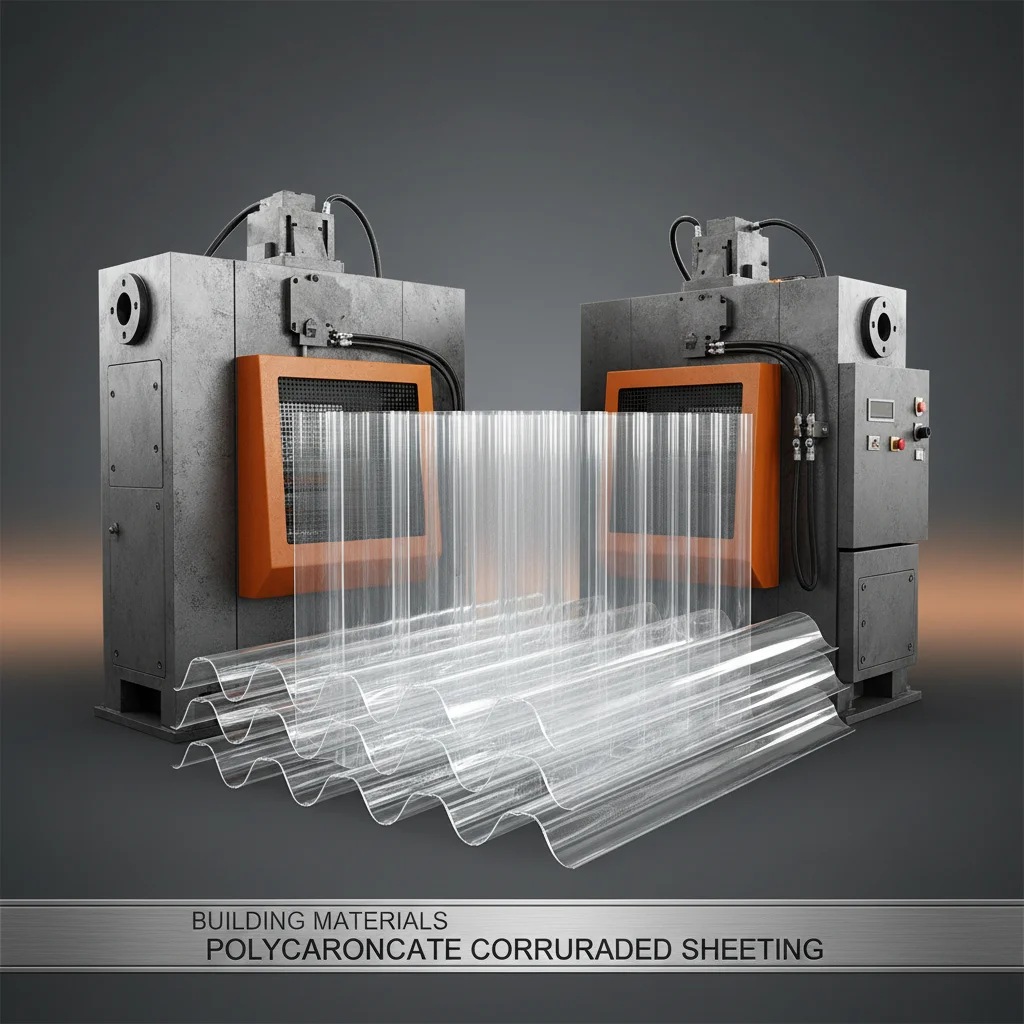
In the demanding landscape of modern structural engineering, the search for materials that balance transparency with extreme durability has led to the widespread adoption of Engineering PC Solid Sheet. This advanced polycarbonate material has revolutionized how we approach protective barriers, architectural glazing, and industrial shielding, offering a lightweight yet virtually unbreakable alternative to traditional glass.
Globally, the shift toward high-performance polymers is driven by the need for safety-critical infrastructure that can withstand severe impact and environmental stress. Whether it is used in high-security facilities or complex industrial roofing, the versatility of the Engineering PC Solid Sheet ensures that structural integrity is maintained without sacrificing the aesthetic benefits of natural light transmission.
Understanding the technical nuances of this material—from its thermal stability to its impact resistance—is essential for engineers and procurement specialists. By leveraging the unique properties of polycarbonate, industries can reduce maintenance costs and enhance the overall lifespan of their structural installations, ensuring a safer and more efficient built environment.

The Global Impact and Industrial Context of Engineering PC Solid Sheet
The global industrialization wave has placed unprecedented pressure on building materials to be both resilient and adaptable. In the context of the ISO standards for material safety, the Engineering PC Solid Sheet has emerged as a critical solution for sectors ranging from petrochemical plants to urban transport hubs. The demand for materials that can survive high-velocity impacts while remaining transparent is no longer a luxury but a safety requirement.
Across Europe and North America, the integration of these sheets into steel structure equipment has reduced the frequency of costly glass replacements. By mitigating the risks associated with fragmentation—a primary hazard in industrial accidents—polycarbonate solid sheets provide a layer of security that traditional glazing simply cannot match, aligning with modern global safety protocols.
Defining the Technical Essence of Engineering PC Solid Sheet
At its core, an Engineering PC Solid Sheet is a high-performance thermoplastic produced through a process of polymerization. Unlike multi-wall sheets, the "solid" nature of this material ensures uniform strength across the entire surface area, eliminating the weak points often found in ribbed structures. This makes it an indispensable asset in the fabrication of security doors and heavy-duty industrial shields.
From a chemical perspective, the molecular structure of polycarbonate allows for an exceptional balance of toughness and flexibility. This means that while the sheet is rigid enough to maintain its shape under pressure, it is flexible enough to be cold-bent or thermoformed into complex geometries, allowing it to integrate seamlessly with various steel structures and power distribution equipment housings.
In a broader humanitarian and industrial sense, this material addresses the challenge of "invisible protection." It allows operators to monitor hazardous processes—such as those involving industrial robots or high-voltage transformers—from a safe distance without the fear of shattering shards, effectively bridging the gap between visibility and absolute safety.
Core Components and Performance Factors of PC Sheets
One of the primary performance factors of Engineering PC Solid Sheet is its unparalleled impact resistance. Often referred to as "bulletproof" in certain grades, the material can absorb massive amounts of kinetic energy, making it the gold standard for blast-resistant partitions and protective screens in high-risk manufacturing zones.
Thermal stability and UV protection are equally critical. High-grade Engineering PC Solid Sheet is typically treated with a co-extruded UV-resistant layer that prevents the material from yellowing or becoming brittle under prolonged exposure to sunlight. This is particularly vital for PC roofing and lighting sheets used in large-scale industrial greenhouses or warehouses.
Furthermore, the chemical compatibility of these sheets allows them to operate in environments where corrosive agents are present. While not impervious to all solvents, the engineering grade of the solid sheet is designed to resist the typical wear and tear of industrial atmospheres, ensuring that the transparency remains clear for years of service.
Comparative Analysis of PC Solid Sheet Performance
When comparing various iterations of polycarbonate, the performance metrics vary based on the additive packages used during production. Whether focusing on flame retardancy for power distribution equipment or optical clarity for security observation, the Engineering PC Solid Sheet consistently outperforms acrylics and tempered glass in terms of ductility and weight-to-strength ratio.
The following data illustrates the relative performance of different Engineering PC Solid Sheet variants across key industrial metrics, highlighting why specific grades are chosen for specialized structural applications.
Performance Metrics of Engineering PC Solid Sheet Variants
Global Applications and Industrial Use Cases
In real-world industrial zones, the Engineering PC Solid Sheet is frequently deployed in the construction of machinery guards for industrial robots. These sheets allow technicians to observe the robot's movement in real-time while providing a physical barrier that prevents accidental entry or debris from escaping the work cell, ensuring a safe human-machine interface.
Beyond the factory floor, we see significant application in remote industrial sites, such as energy storage equipment facilities. Here, the solid sheets are used for weather-resistant covers and observation windows that must withstand extreme temperature fluctuations and wind-borne debris, proving their worth in harsh climates from the Arctic to the Sahara.
Long-Term Value and Sustainability Advantages
The long-term value of investing in Engineering PC Solid Sheet lies in its exceptional lifecycle. Because it does not shatter and is resistant to most weather-related degradation, the replacement cycle is significantly longer than that of glass or lower-grade plastics. This leads to a substantial reduction in operational expenditure (OPEX) for facility managers.
From a sustainability perspective, polycarbonate is a recyclable thermoplastic. When an industrial installation is decommissioned, these sheets can be processed and repurposed into other plastic components, reducing the amount of waste sent to landfills. This circular economy approach is increasingly important for companies striving to meet ESG (Environmental, Social, and Governance) goals.
Moreover, the thermal insulation properties of the solid sheet contribute to energy efficiency. When used in PC roofing and lighting sheets, it allows for the maximization of natural daylighting, which reduces the reliance on artificial lighting and lowers the overall carbon footprint of the building.
Future Innovations in Polycarbonate Engineering
The future of Engineering PC Solid Sheet is being shaped by the integration of smart technologies. We are seeing the emergence of "intelligent" sheets that incorporate conductive layers or embedded sensors, allowing the material to detect structural stress or temperature changes and transmit this data to a central monitoring system.
Another promising trend is the development of bio-based polycarbonates. By sourcing raw materials from renewable biomass rather than petroleum, the industry is moving toward a carbon-neutral production process. This evolution ensures that the strength and clarity of the solid sheet are maintained while significantly reducing the environmental impact of its manufacture.
Additionally, advancements in nano-coatings are providing new solutions for scratch resistance and anti-fogging. These enhancements will make the Engineering PC Solid Sheet even more viable for high-precision environments, such as cleanrooms or aerospace assembly lines, where absolute visual clarity is non-negotiable.
Core Analysis of Engineering PC Solid Sheet Innovation and Utility
| Innovation Dimension | Technical Implementation | Industrial Benefit | Adoption Rate (1-10) |
|---|
| UV Stabilization | Co-extruded protective layer | Eliminates yellowing in outdoor use | 10 |
| Impact Modification | Molecular weight optimization | Extreme blast and impact safety | 9 |
| Bio-Polymer Base | Renewable feedstock synthesis | Reduced carbon footprint | 4 |
| Smart Sensing | Embedded conductive polymers | Real-time structural health monitoring | 3 |
| Anti-Scratch Coating | Hard-coat siloxane layers | Extended visual clarity lifespan | 7 |
| Flame Retardancy | Halogen-free additives | Compliance with fire safety codes | 8 |
FAQS
The primary advantage is impact resistance; Engineering PC Solid Sheet is virtually unbreakable and does not shatter upon failure. Unlike tempered glass, which can explode into thousands of pieces when a critical point is struck, polycarbonate absorbs the energy, ensuring the safety of nearby personnel. Additionally, it is significantly lighter and easier to install in large-scale steel structures.
When equipped with a professional UV-resistant coating, these sheets can maintain their clarity and structural integrity for 10 to 20 years, depending on the intensity of solar exposure. Without UV protection, the material may begin to yellow and become brittle within a few years. We always recommend UV-stabilized grades for roofing and exterior cladding.
Yes, polycarbonate has a higher heat deflection temperature than many other plastics, typically remaining stable up to 120-135°C. This makes it suitable for enclosures around machinery or power distribution equipment. However, for extremely high-heat applications, specialized heat-stabilized grades should be used to prevent warping.
Absolutely. One of the key benefits of Engineering PC Solid Sheet is its versatility. It can be cold-curved for simple arcs or thermoformed using heat for complex 3D shapes. This allows it to be custom-fitted to industrial robots, security doors, or curved architectural elements without compromising the material's strength.
To maintain transparency, clean the surface with a soft cloth and a mild soap solution. Avoid using abrasive cleaners, ammonia-based products, or harsh solvents (like acetone), as these can cause "crazing" or micro-cracks in the polycarbonate. Regular rinsing with water is usually sufficient to remove industrial dust.
Yes, they are highly sustainable due to their durability and recyclability. Because they last longer than glass or acrylic, they reduce the need for frequent replacements. Furthermore, polycarbonate is a thermoplastic, meaning it can be melted down and repurposed at the end of its life cycle, supporting a circular industrial economy.
Conclusion
The integration of Engineering PC Solid Sheet into modern industrial and structural design represents a critical evolution in safety and efficiency. By combining the transparency of glass with the resilience of high-grade polymers, this material solves the age-old conflict between visibility and protection. From its role in shielding industrial robots to its application in sustainable roofing and high-security infrastructure, the solid polycarbonate sheet has proven itself as a versatile, durable, and cost-effective solution for the global manufacturing sector.
Looking forward, as we move toward smarter and greener cities, the role of advanced materials will only expand. Investing in high-quality, UV-stabilized, and flame-retardant polycarbonate ensures that your operations remain compliant with international safety standards while reducing long-term maintenance burdens. We encourage engineers and facility managers to prioritize materials that offer both immediate protection and long-term sustainable value. Visit our website for more professional solutions: www.ymc-machinery.com