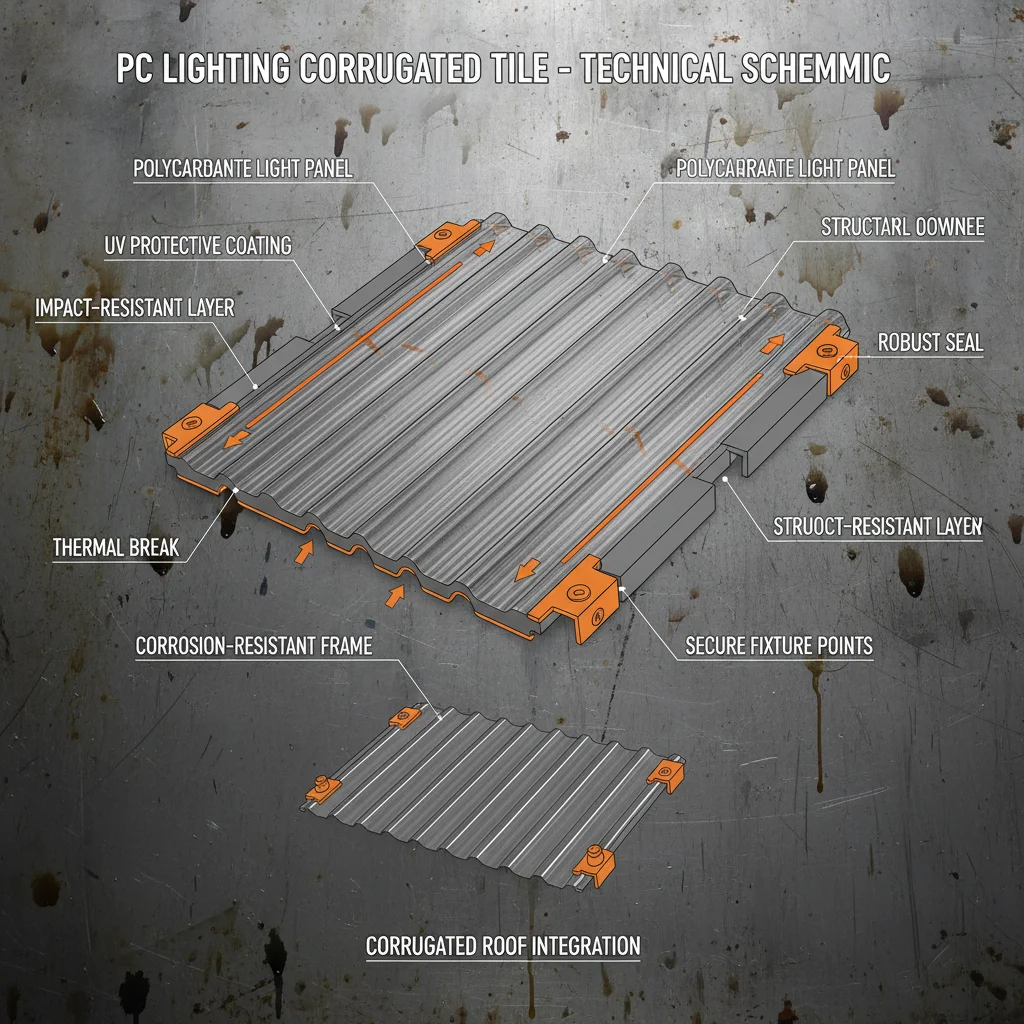
In the contemporary landscape of industrial design and construction, the quest for materials that balance transparency with extreme durability has led to the widespread adoption of Polycarbonate Solid Sheet. This high-performance thermoplastic has revolutionized how architects and engineers approach structural glazing, offering a lightweight yet virtually unbreakable alternative to traditional glass. By integrating superior impact resistance with optical clarity, it serves as a critical component in everything from security barriers to advanced architectural facades.
The global demand for Polycarbonate Solid Sheet is driven by the urgent need for safety and efficiency in harsh environments. Whether it is protecting sensitive industrial equipment or creating energy-efficient roofing systems, this material addresses the fundamental challenge of fragility associated with clear panels. Its ability to withstand extreme temperature fluctuations and high-velocity impacts makes it indispensable for modern infrastructure.
Understanding the nuances of this material—from its chemical composition to its long-term weathering properties—is essential for any professional in the metal fabrication or structural engineering sectors. By leveraging the unique properties of Polycarbonate Solid Sheet, companies can reduce maintenance costs, enhance user safety, and implement innovative designs that were previously impossible with conventional materials.
Global Relevance of Polycarbonate Solid Sheet
On a global scale, the shift toward "smart" and "resilient" infrastructure has placed Polycarbonate Solid Sheet at the forefront of material science. According to industry trends aligning with ISO standards for safety glazing, the move away from tempered glass in high-risk zones is accelerating. In regions prone to seismic activity or extreme weather, the impact-absorbing nature of these sheets provides a critical safety margin that traditional materials simply cannot match.
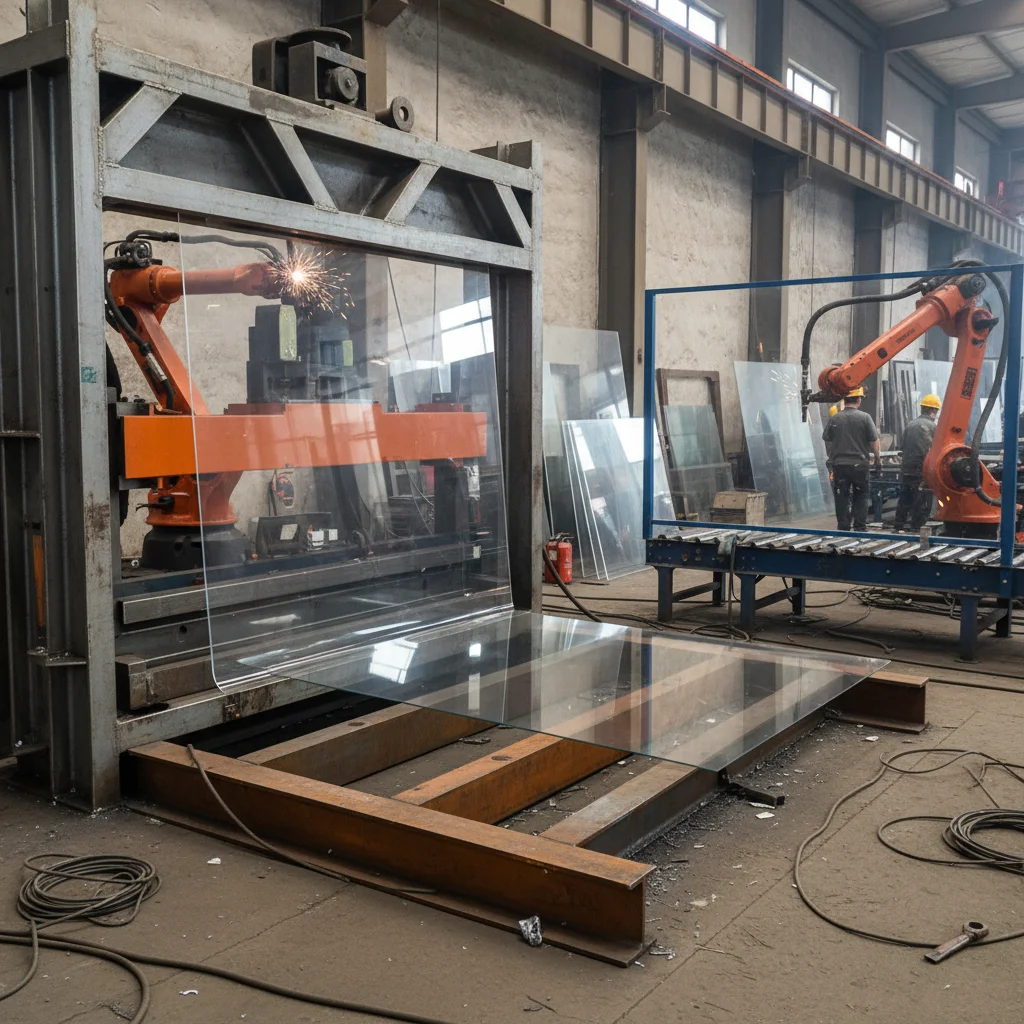
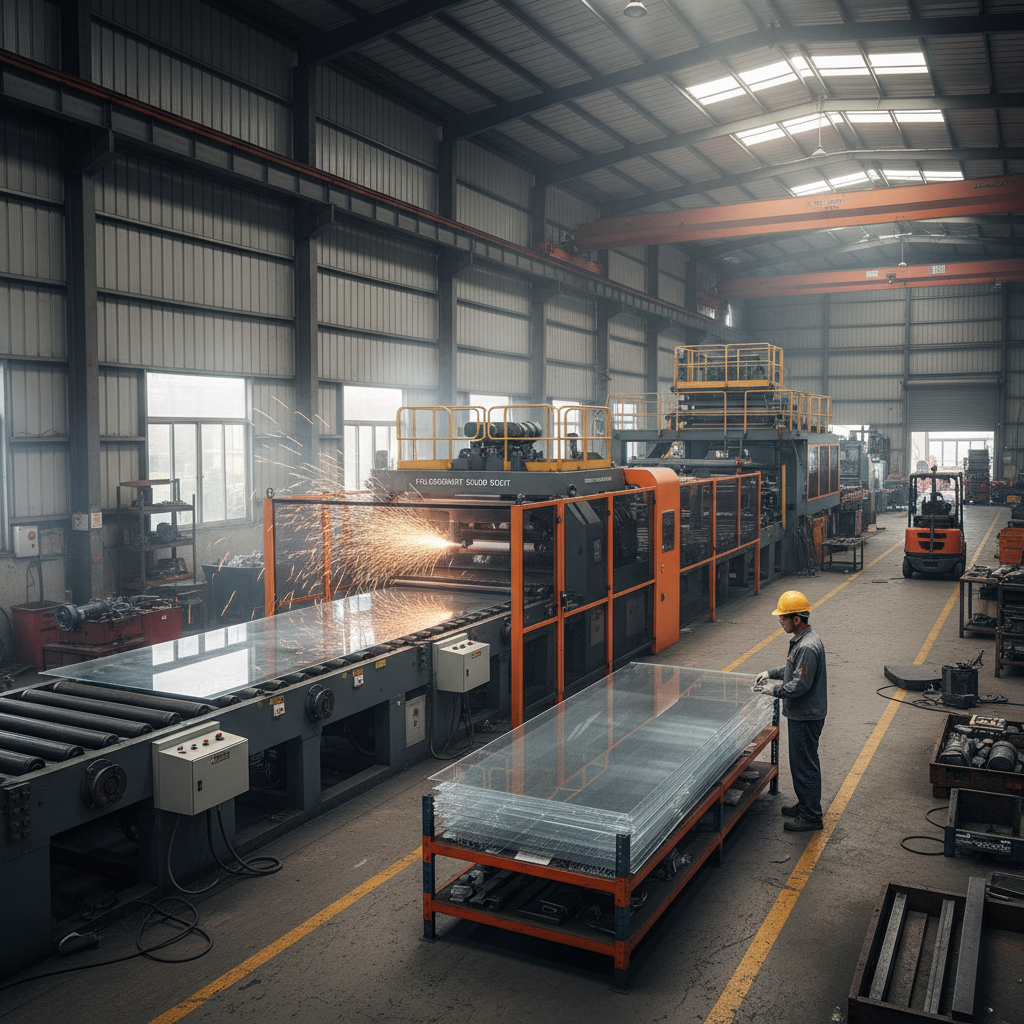
Furthermore, the integration of this material into industrial sectors—such as the manufacturing of security doors and steel structure equipment—reflects a broader commitment to occupational health and safety. By replacing brittle materials with Polycarbonate Solid Sheet, enterprises are significantly reducing workplace injuries related to shattering glass, while simultaneously optimizing the weight of their structural assemblies.
Technical Definition and Industrial Role
In simple terms, Polycarbonate Solid Sheet is a high-performance thermoplastic polymer characterized by its monolithic structure, meaning it lacks the hollow ribs found in multi-wall sheets. This solidity provides it with exceptional strength, optical clarity similar to glass, and the ability to be thermoformed into complex shapes. It is essentially the "heavy-duty" version of clear plastics, designed for environments where failure is not an option.
Within the context of modern industry, this material serves as a bridge between heavy structural steel and fragile glazing. For instance, in the production of industrial generators or power distribution equipment, it is used to create transparent protective housings that allow technicians to monitor internal components without exposing themselves to electrical arcs or mechanical hazards. Its role is therefore both functional (protection) and operational (visibility).
Beyond industrial machinery, the material addresses critical humanitarian and urban needs. In the development of rapid-deployment shelters or high-security public transit hubs, Polycarbonate Solid Sheet provides the necessary shielding against vandalism and environmental debris, ensuring that essential services remain operational even under duress.
Core Performance Factors of Solid Polycarbonate
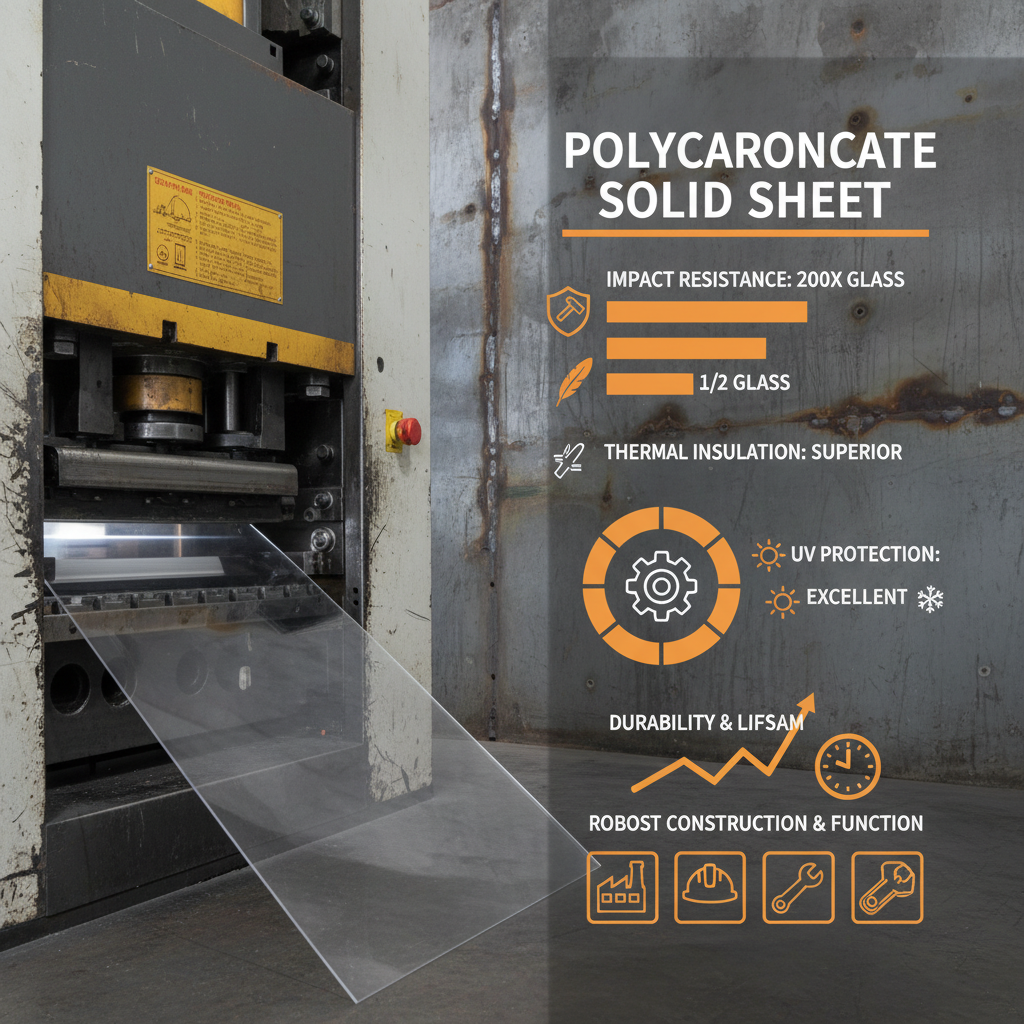
The primary driver behind the selection of Polycarbonate Solid Sheet is its unmatched impact resistance. Often marketed as "bullet-resistant" or "unbreakable," it can withstand forces that would pulverize standard glass. This is due to the polymer's molecular structure, which allows it to absorb and dissipate energy rather than cracking under tension.
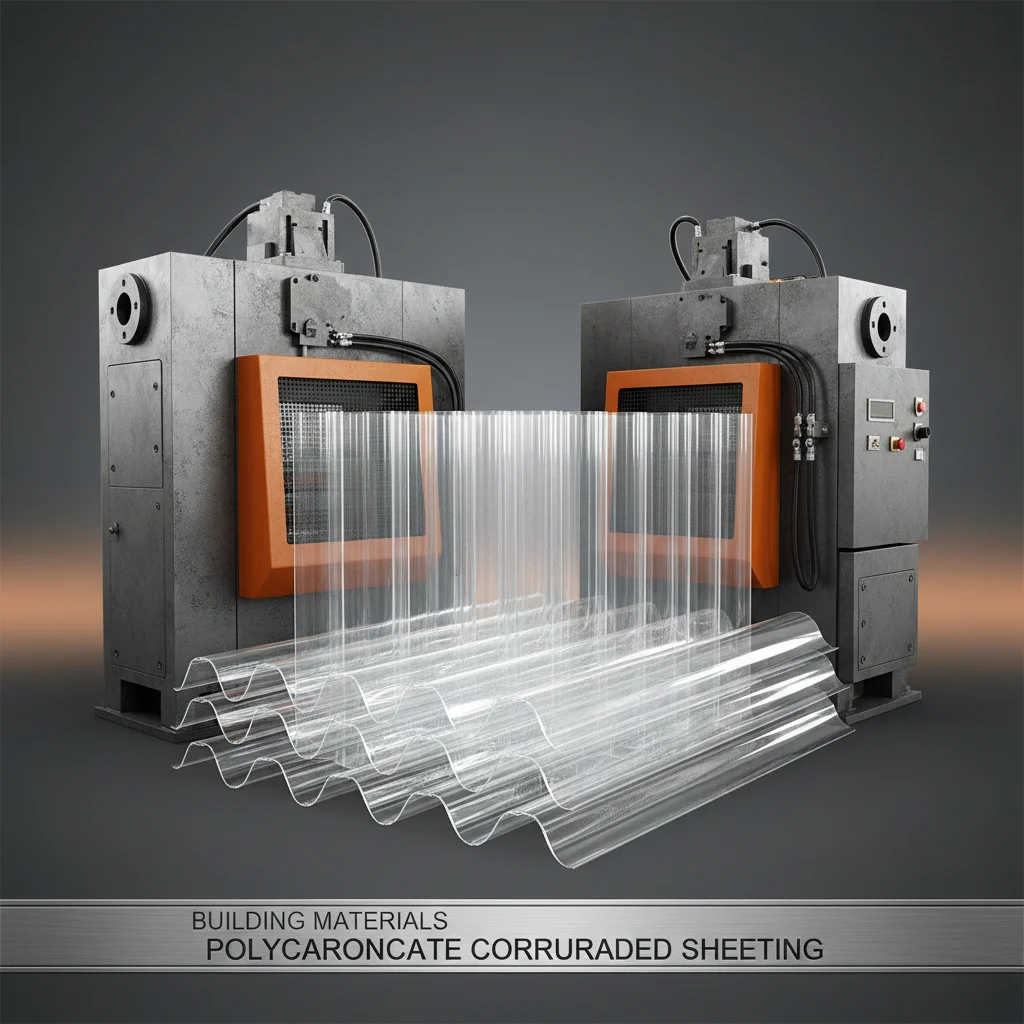
Another critical factor is the versatility in fabrication. Unlike glass, Polycarbonate Solid Sheet can be cold-curved or vacuum-formed, allowing it to fit seamlessly into the curved profiles of modern steel structures. This adaptability reduces the need for complex joining hardware and minimizes potential leak points in roofing and lighting applications.
Finally, the thermal stability and UV resistance of high-grade Polycarbonate Solid Sheet ensure long-term viability. Advanced co-extrusion processes apply a UV-protective layer to the surface, preventing the yellowing and embrittlement typically caused by prolonged sun exposure, which is vital for outdoor industrial installations.
Real-World Applications and Use Cases
The practical application of Polycarbonate Solid Sheet spans across diverse global industries. In the aerospace and automotive sectors, it is used for cockpit canopies and windshields where weight reduction is as important as safety. In the realm of urban architecture, it is frequently employed for noise barriers along highways and high-security facades for government buildings, where it provides a transparent yet impenetrable shield.
In remote industrial zones, such as mining sites or offshore oil rigs, these sheets are used to construct weather-resistant enclosures for control panels and electrical transformers. These environments demand materials that can resist saltwater corrosion and extreme wind loads—conditions where Polycarbonate Solid Sheet outperforms almost every other transparent medium.
Performance Comparison of Polycarbonate Solid Sheet Variants
Long-Term Value and Sustainability
The long-term value of Polycarbonate Solid Sheet extends beyond its immediate physical properties. From an economic perspective, the reduction in installation time and the elimination of frequent replacements due to breakage result in a significantly lower total cost of ownership (TCO). Its lightweight nature also reduces the structural load on the supporting metal frames, allowing for more cost-effective steel designs.
From a sustainability angle, the recyclability of polycarbonate makes it a more attractive option than composite materials. Many manufacturers are now incorporating post-consumer recycled content into their sheets without sacrificing structural integrity. Furthermore, its ability to transmit natural light reduces the dependency on artificial lighting in industrial workspaces, contributing to overall energy efficiency and a smaller carbon footprint.
Future Innovations in Polymer Technology
The future of Polycarbonate Solid Sheet is being shaped by the integration of nanotechnology. Researchers are developing "self-healing" polycarbonate surfaces that can automatically repair minor scratches when exposed to heat, ensuring that optical clarity is maintained for decades. This innovation will be particularly valuable for outdoor security installations where surface abrasion is common.
Moreover, the trend toward "smart glazing" is bringing conductive layers into solid polycarbonate. Imagine a Polycarbonate Solid Sheet that can change its opacity based on an electrical current, providing instant privacy or solar shading. This convergence of material science and electronics will redefine the role of the material in energy-efficient building envelopes.
Automation in the manufacturing process is also enhancing precision. The use of AI-driven extrusion systems ensures that sheet thickness is uniform to the micron level, eliminating optical distortions. This allows the material to be used in high-precision industrial robots and optical equipment, expanding its market reach into the high-tech manufacturing sector.
Overcoming Common Implementation Challenges
Despite its advantages, Polycarbonate Solid Sheet faces certain challenges, most notably its susceptibility to scratching and chemical sensitivity. To overcome this, industry experts recommend the use of "hard-coated" variants, which apply a silicon-based layer to the surface, drastically increasing abrasion resistance and making the material suitable for high-traffic areas.
Another common issue is thermal expansion. Because polycarbonate expands and contracts more than steel or aluminum, rigid mounting can lead to warping or cracking. The solution lies in the implementation of "floating" glazing systems, where the sheets are held by gaskets and oversized holes, allowing the material to breathe without compromising the structural seal.
Lastly, selecting the wrong grade of material can lead to premature failure. It is crucial to distinguish between standard and UV-stabilized sheets. By conducting a thorough environment analysis—considering UV index, chemical exposure, and expected impact loads—engineers can specify the exact grade of Polycarbonate Solid Sheet required for the project, ensuring maximum longevity.
Comparison of Polycarbonate Solid Sheet Specifications and Performance
| Material Grade |
Impact Strength |
UV Longevity |
Recommended Use |
| Standard Clear |
High (8/10) |
Low (3/10) |
Indoor Partitions |
| UV-Protected |
High (8/10) |
Excellent (10/10) |
Outdoor Roofing |
| Hard-Coated |
Medium (7/10) |
High (8/10) |
Security Windows |
| Fire-Retardant |
High (8/10) |
Medium (6/10) |
Industrial Machinery |
| Optical Grade |
Medium (7/10) |
Medium (6/10) |
Sensor Covers |
| Bronze/Tinted |
High (8/10) |
High (9/10) |
Sun-shaded Canopies |
FAQS
While both are clear plastics, Polycarbonate Solid Sheet is significantly more impact-resistant—up to 250 times stronger than glass and far tougher than acrylic. Acrylic is more scratch-resistant and has slightly better optical clarity, but it is brittle and can shatter upon impact. Polycarbonate is the preferred choice for safety-critical and structural applications where durability is paramount.
Yes, one of the standout features of Polycarbonate Solid Sheet is its ability to maintain impact strength even at sub-zero temperatures. Unlike many plastics that become brittle in the cold, polycarbonate remains ductile, making it ideal for outdoor installations in arctic or high-altitude environments.
It is not recommended to use standard superglues or solvent cements that are designed for acrylic. Many common adhesives can cause "crazing" (small internal cracks) in Polycarbonate Solid Sheet. We recommend using specialized polycarbonate adhesives or mechanical fasteners with rubber gaskets to ensure a secure and clean bond.
To maintain the clarity of your Polycarbonate Solid Sheet, avoid using ammonia-based cleaners or abrasive scrubbing pads. Instead, use a soft microfiber cloth and a mild soap solution or a dedicated polycarbonate cleaner. Always wipe in a single direction to avoid rubbing trapped particles across the surface.
High-quality Polycarbonate Solid Sheet naturally blocks most UV radiation. When a specific UV-stabilized coating is applied, it can block virtually 100% of harmful UV rays, protecting both the material itself from degradation and the people or products beneath the shielding from sun damage.
Polycarbonate is naturally more flame-resistant than many other plastics and is typically self-extinguishing. However, for strict building codes, you must specify a "fire-retardant" grade of Polycarbonate Solid Sheet that meets UL 94 or similar international safety standards to ensure it is appropriate for emergency exit routes or industrial fire walls.
Conclusion
In summary, Polycarbonate Solid Sheet represents a pivotal advancement in material science, offering an unmatched combination of transparency, extreme impact resistance, and structural versatility. From safeguarding industrial equipment and enhancing urban security to enabling innovative architectural designs, its ability to perform under pressure makes it a superior alternative to glass and other plastics. By understanding the critical importance of UV protection, thermal expansion, and grade selection, professionals can fully unlock the potential of this material to create safer, more resilient environments.
Looking ahead, the integration of smart technologies and sustainable manufacturing will only increase the value of solid polycarbonate. As we move toward a future defined by green energy and automated infrastructure, the demand for materials that are both durable and eco-friendly will grow. We encourage engineers and architects to experiment with hard-coated and UV-stabilized variants to push the boundaries of what is possible in structural glazing. For high-quality solutions and expert guidance on incorporating these materials into your next project, visit our website: www.ymc-machinery.com