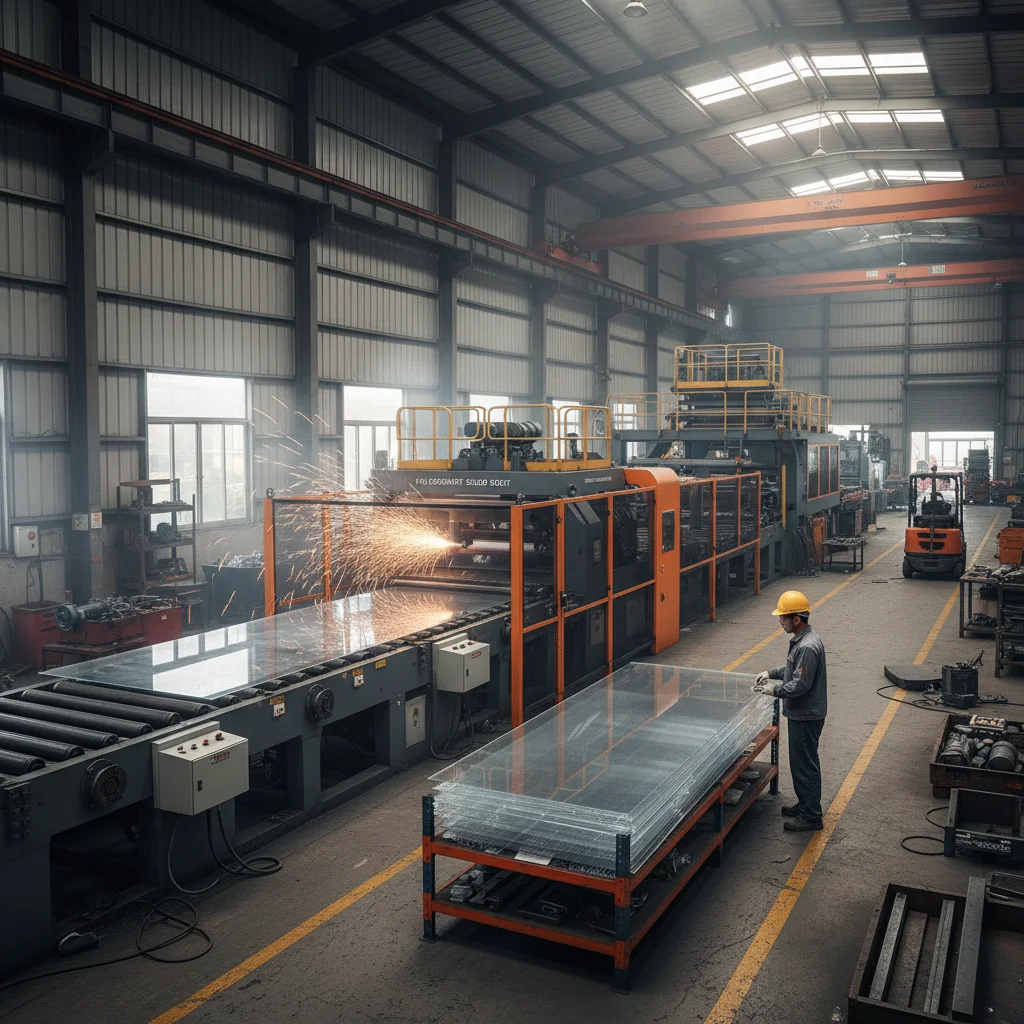
In the modern landscape of structural engineering and industrial design, the demand for materials that balance transparency with extreme durability has led to the widespread adoption of PC Solid Sheet. As industries pivot toward safer, more sustainable infrastructure, this high-impact polycarbonate material has emerged as a critical alternative to traditional glass and acrylics, offering unparalleled resilience in the face of environmental stress.
Globally, the shift toward "smart" manufacturing and energy-efficient building envelopes has placed a premium on materials that provide natural lighting without compromising security or thermal insulation. The versatility of PC Solid Sheet allows it to be integrated into everything from massive industrial skylights to high-security ballistic barriers, making it an indispensable asset in the global construction supply chain.
Understanding the technical nuances and application methods of these sheets is not merely a matter of material selection but a strategic decision that impacts long-term operational costs and safety standards. By exploring the mechanical properties and innovative uses of PC Solid Sheet, engineers and architects can unlock new possibilities in structural transparency and impact resistance.
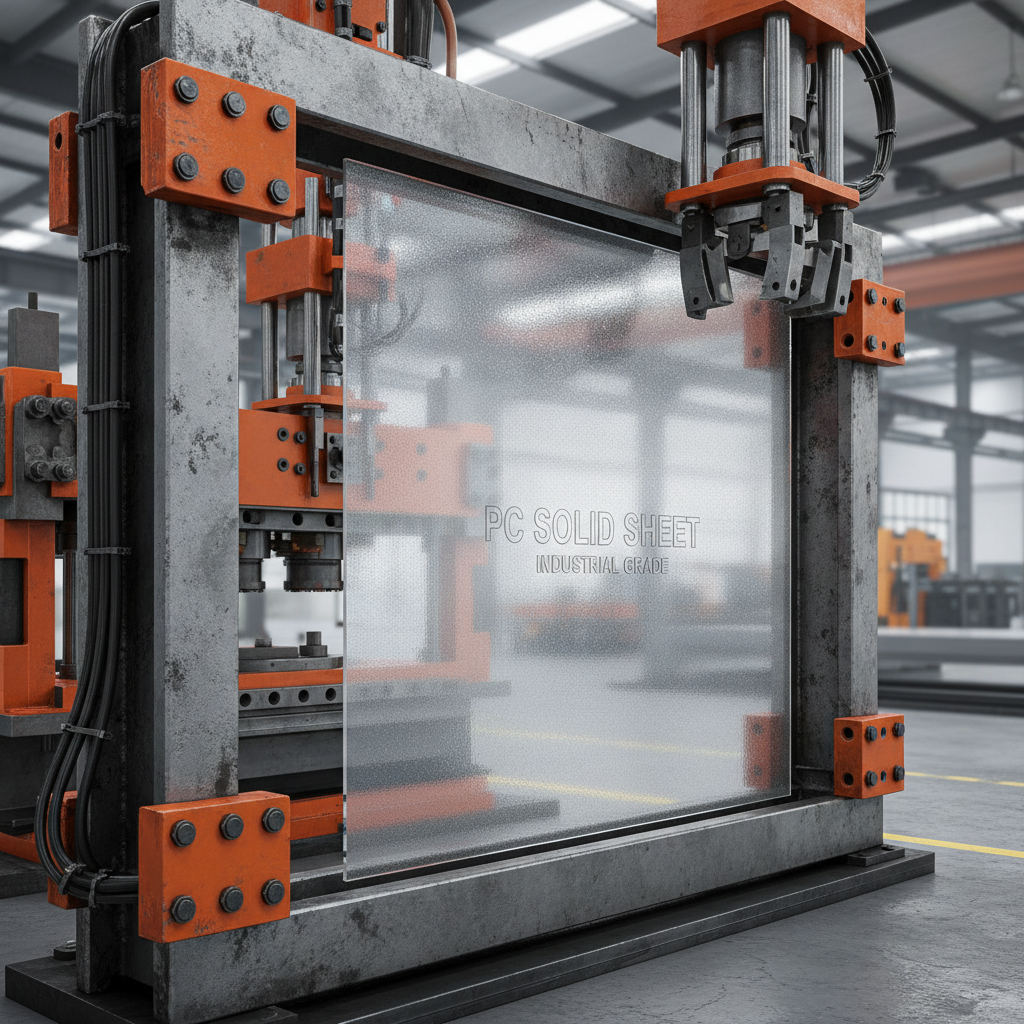
The Global Industrial Significance of PC Solid Sheet
On a global scale, the adoption of PC Solid Sheet has been accelerated by the rigorous safety standards mandated by ISO and various international building codes. In regions prone to extreme weather—such as the typhoon-hit areas of Southeast Asia or the hail-prone plains of North America—the ability of this material to withstand high-velocity impacts without shattering is a critical safety requirement that traditional glazing cannot meet.
Furthermore, the industrialization of emerging economies has led to a surge in the construction of massive logistics hubs and manufacturing plants. These facilities require expansive roofing and partitioning solutions that maximize natural light to reduce electricity consumption, while maintaining a secure, enclosed environment. The lightweight nature and high transparency of these solid sheets make them the primary choice for modern industrial architecture worldwide.
Technical Definition and Material Composition
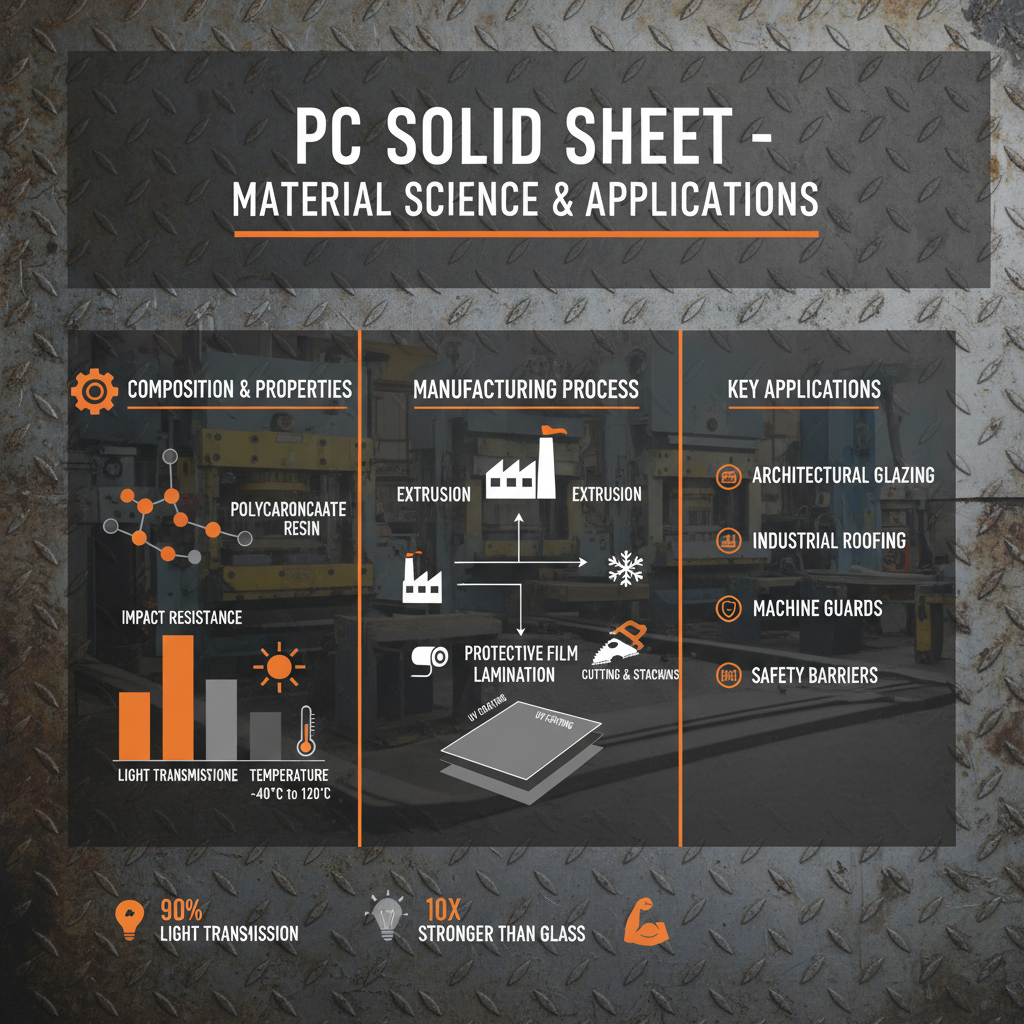
In simple technical terms, a PC Solid Sheet is a thermoplastic polymer produced from polycarbonate, a material known for its unique combination of optical clarity and mechanical toughness. Unlike multi-wall sheets, the solid variant consists of a single, dense layer of polycarbonate, which provides superior strength-to-weight ratios and eliminates the internal condensation issues often found in cellular structures.
From a chemical perspective, the molecular structure of polycarbonate allows it to absorb significant energy upon impact, distributing the force across the polymer chain rather than cracking. This characteristic is what earns it the reputation of being "unbreakable" in many commercial contexts, making it essential for humanitarian needs such as the creation of secure, transparent shelters in disaster-prone zones.
In the context of modern industry, the material is often enhanced with UV-stabilizing coatings. These additives prevent the yellowing and degradation typically caused by prolonged exposure to sunlight, ensuring that the sheets maintain their structural integrity and transparency for decades, which is a vital requirement for long-term infrastructure projects.
Core Performance Factors of Polycarbonate Solids
The primary driver behind the selection of PC Solid Sheet is its extraordinary impact resistance. When compared to tempered glass, polycarbonate is approximately 250 times stronger, meaning it can withstand extreme pressures and sudden shocks—such as falling debris or intentional vandalism—without failing catastrophically, thereby ensuring the safety of personnel and equipment.
Another critical factor is the material's thermal stability and versatility. A high-quality PC Solid Sheet can operate in temperature extremes, from freezing arctic conditions to intense industrial heat, without warping or losing its physical properties. This makes it ideal for specialized enclosures in energy storage units and power distribution equipment.
Lastly, the cost-efficiency of installation cannot be overlooked. Because PC Solid Sheet is significantly lighter than glass, it reduces the dead load on steel structures and lowers transportation costs. The ease with which it can be cold-bent or thermoformed allows for complex architectural curves and custom industrial fittings without the need for expensive specialized tooling.
Comparative Efficiency and Impact Analysis
When evaluating the performance of PC Solid Sheet against other glazing materials, the data consistently points toward its superiority in high-risk environments. While acrylic offers similar clarity, it lacks the shatter-proof quality of polycarbonate. In industrial settings, the ability to resist chemical corrosion and high-pressure impacts is what defines the operational lifespan of a facility's protective barriers.
The following analysis demonstrates how different grades of these sheets perform across key metrics, highlighting why specialized UV-coated and hard-coated variants are preferred for outdoor industrial applications.
Performance Rating of Various PC Solid Sheet Variants
Global Applications and Real-World Use Cases
In real-world contexts, PC Solid Sheet is widely utilized in the construction of security barriers and riot shields due to its ballistic properties. In high-security urban zones or government facilities, these sheets are integrated into window systems to protect against blast fragments, providing a level of security that maintains visibility while ensuring maximum occupant safety.
Beyond security, the material is essential in remote industrial zones for the protection of sensitive equipment. For instance, in the energy sector, polycarbonate shields are used to encase transformers and power distribution equipment, protecting components from environmental debris and animal intrusion while allowing technicians to perform visual inspections without opening the enclosure.
Long-Term Value and Sustainability Benefits
The long-term value of investing in PC Solid Sheet extends far beyond the initial purchase price. Because of its extreme durability, the replacement cycle for polycarbonate is significantly longer than that of glass or PVC. This reduction in maintenance and replacement frequency leads to lower total cost of ownership and less material waste over the lifecycle of a building.
From a sustainability perspective, the ability of these sheets to transmit high levels of natural light drastically reduces the reliance on artificial lighting in industrial warehouses. This energy saving directly contributes to a lower carbon footprint for the facility, aligning with global green building certifications and environmental mandates.
Emotionally and logically, the use of this material fosters a sense of trust and safety. Whether it is a transparent roof over a public walkway or a safety shield in a chemical plant, the "invisible" protection offered by polycarbonate provides peace of mind, knowing that the structure can withstand unforeseen accidents without failing.
Future Innovations in PC Solid Sheet Technology
The future of PC Solid Sheet is being shaped by the integration of nanotechnology and smart materials. We are seeing the development of "self-healing" polycarbonate surfaces that can automatically repair minor scratches, as well as the integration of conductive layers that allow the sheet to act as a heating element for anti-icing purposes in cold climates.
Digital transformation is also playing a role through the use of precision CNC machining and 3D printing compatibility. This allows for the creation of complex, bespoke structural components that were previously impossible to manufacture, enabling a new era of organic, fluid architecture in industrial design.
Moreover, the push toward a circular economy is driving research into more efficient recycling processes for polycarbonate. Future iterations of these sheets will likely incorporate bio-based polymers, reducing the dependence on petroleum-based raw materials while maintaining the high-performance standards the industry relies upon.
Core Analysis of Future PC Solid Sheet Technological Trends
| Innovation Type |
Primary Objective |
Expected Impact |
Implementation Score |
| Self-Healing Layers |
Scratch Resistance |
Reduced Maintenance |
7/10 |
| Bio-Polymer Integration |
Sustainability |
Lower Carbon Footprint |
6/10 |
| Smart Thermal Coating |
Energy Efficiency |
Passive Temp Control |
9/10 |
| Conductive PC Surfaces |
Anti-Icing/Defrost |
All-Weather Utility |
8/10 |
| Nanoscale Hardening |
Abrasion Resistance |
Extended Lifespan |
9/10 |
| Dynamic Tinting |
Light Control |
Adaptive Glazing |
5/10 |
FAQS
The primary advantage is impact resistance. While tempered glass is strong, it can shatter completely upon a critical hit. A PC Solid Sheet is virtually unbreakable, absorbing energy rather than cracking. Additionally, it is significantly lighter, reducing the load on supporting steel structures and simplifying the installation process in large-scale industrial projects.
Standard polycarbonate can yellow over time due to UV exposure. However, high-quality sheets with professional UV-stabilizing coatings are designed to maintain their clarity and structural integrity for 10 to 20 years, depending on the intensity of the sunlight and environmental conditions. This makes them ideal for long-term outdoor installations.
Yes, it is highly cost-effective due to its longevity and reduced maintenance requirements. From an environmental standpoint, it helps reduce building energy costs by maximizing natural daylight. Furthermore, polycarbonate is a recyclable thermoplastic, and its durability means fewer replacements and less landfill waste over the building's lifecycle.
Absolutely. Polycarbonate can be manufactured in fire-retardant grades that meet strict building safety codes. For security, thickness can be increased to create bullet-resistant barriers. Specialized coatings can also be added for anti-static properties or enhanced chemical resistance, depending on the industrial application.
Maintenance is simple: avoid using abrasive cleaners or harsh chemicals like ammonia, which can damage the surface. Instead, use a mild soap solution and a soft microfiber cloth. Regular cleaning prevents the buildup of grime and ensures the UV coatings remain effective, preserving transparency for years.
While incredibly strong, polycarbonate has a higher coefficient of thermal expansion than glass, meaning it expands and contracts more with temperature changes. Designers must account for this by using flexible gaskets or oversized mounting holes to prevent the sheets from bowing or cracking under thermal stress.
Conclusion
In summary, PC Solid Sheet represents a pivotal advancement in material science, bridging the gap between the transparency of glass and the resilience of heavy-duty plastics. Its ability to provide high-impact protection, thermal stability, and natural illumination makes it an essential component in the modern industrial arsenal, from security barriers to energy-efficient roofing. By prioritizing durability and versatility, this material not only lowers operational costs but also enhances the safety and sustainability of global infrastructure.
Looking forward, the integration of smart technologies and bio-based materials will only further elevate the role of polycarbonate in structural engineering. For companies seeking to optimize their facility's safety and efficiency, transitioning to high-grade solid sheets is a strategic move that ensures long-term reliability. We encourage engineers and project managers to explore the full potential of these materials to create safer, brighter, and more resilient environments. Visit our website: www.ymc-machinery.com