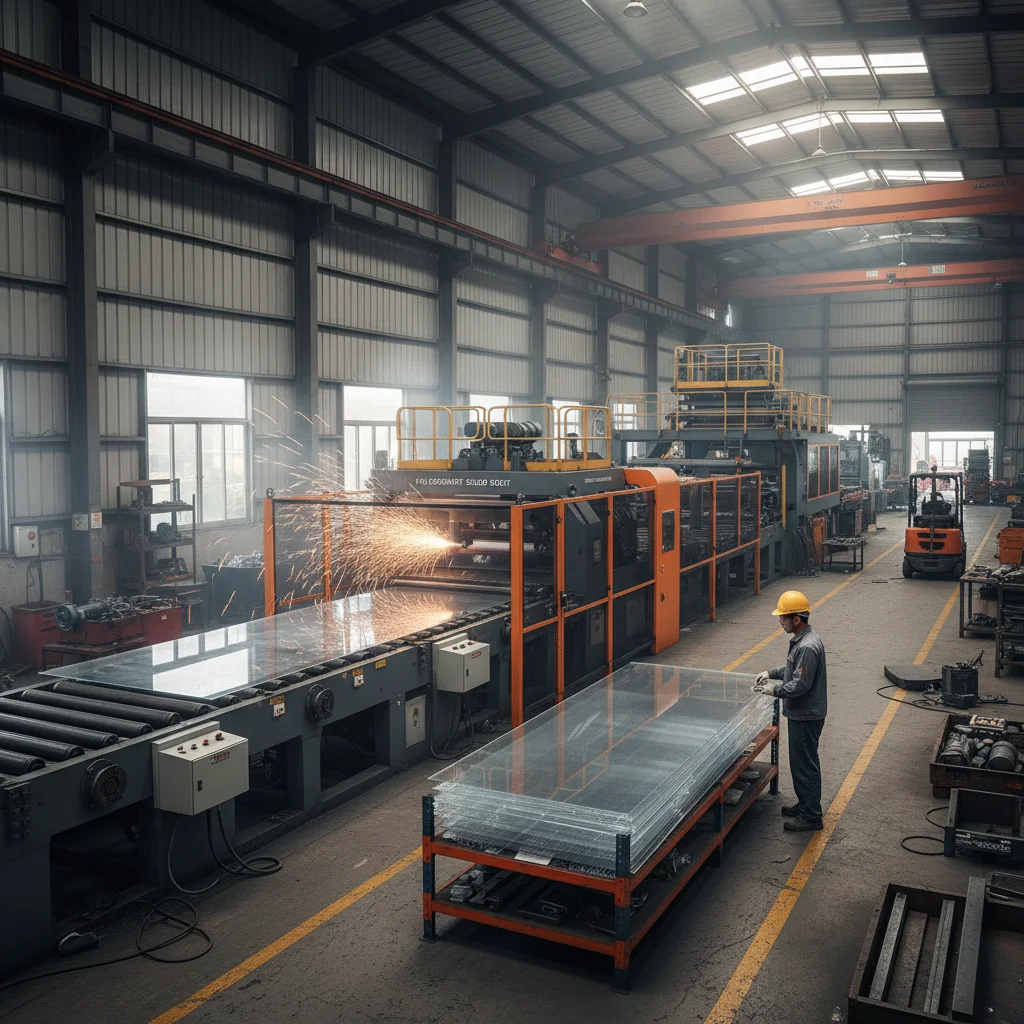
The global construction and industrial sectors are witnessing a significant shift toward high-performance polymers, with the Polycarbonate Corrugated Tile emerging as a primary solution for roofing and cladding. These materials combine the structural rigidity of traditional metal sheets with the exceptional optical clarity and impact resistance of polycarbonate, making them indispensable for modern architecture. Understanding the technical nuances of these tiles allows engineers and developers to optimize natural lighting while ensuring structural integrity.
From a global perspective, the demand for energy-efficient building materials has skyrocketed as ISO standards move toward greener certification. The adoption of Polycarbonate Corrugated Tile helps reduce the reliance on artificial lighting in large-scale industrial warehouses and agricultural greenhouses, directly lowering carbon footprints. This transition is not merely about aesthetics but about the intersection of material science and sustainable urban development.
However, selecting the right roofing solution often presents a challenge: balancing transparency with thermal insulation and durability. Many traditional materials either crack under extreme temperature fluctuations or block necessary sunlight, leading to higher energy costs. The innovative design of the corrugated polycarbonate sheet addresses these pain points, offering a resilient, lightweight, and translucent alternative that meets the rigorous demands of the metal structure industry.
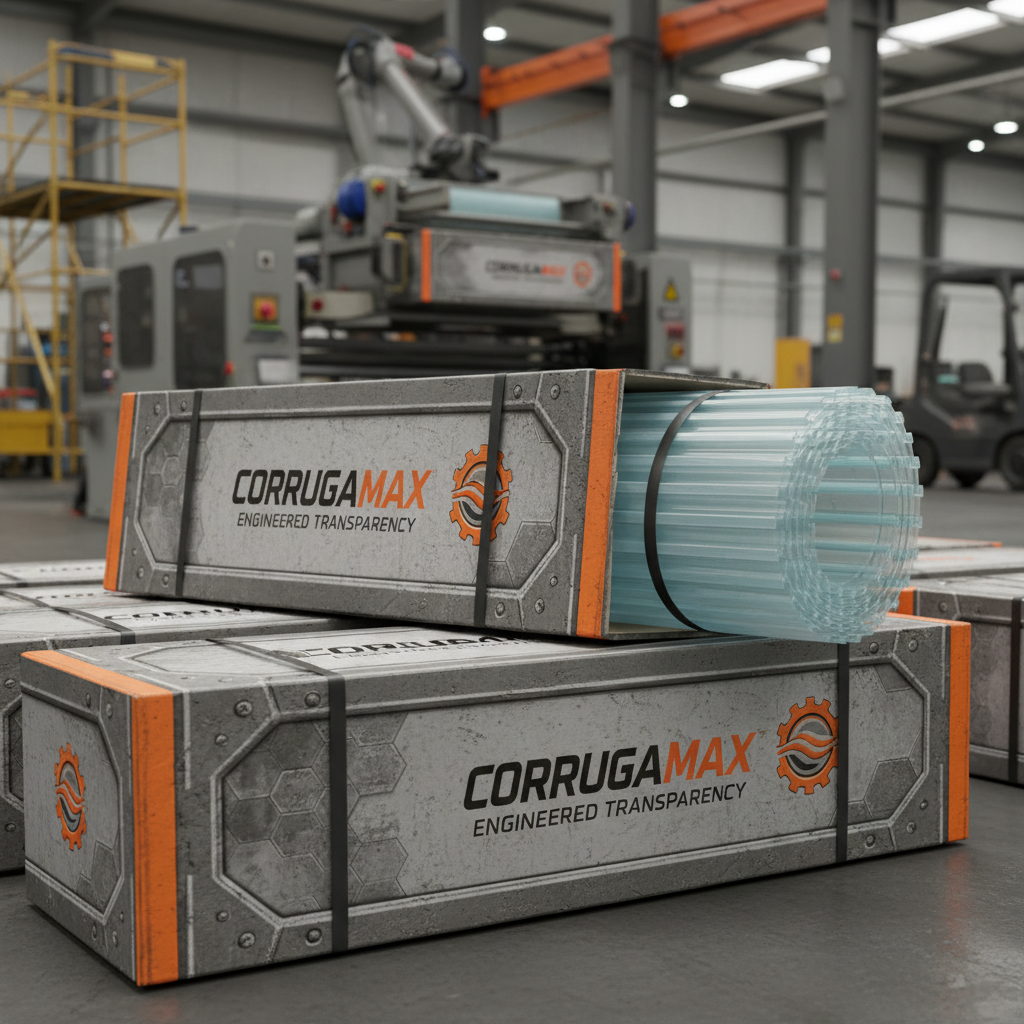
Global Relevance and Industry Context of Polycarbonate Corrugated Tile
In the current global industrial landscape, the shift toward "smart" and "green" factories has placed a premium on materials that maximize natural resource utilization. The Polycarbonate Corrugated Tile has become a cornerstone in this evolution, particularly in regions with high sunlight exposure where reducing electricity consumption for lighting is a critical economic goal. By integrating these tiles into steel structure frameworks, industries can achieve an optimal balance of protection and permeability.
Moreover, international building codes are increasingly emphasizing disaster resilience. Polycarbonate's inherent ability to withstand high-impact forces—such as hail or falling debris—makes these corrugated sheets far superior to traditional glass or PVC alternatives. This reliability ensures that industrial facilities remain operational even in volatile weather conditions, reducing insurance premiums and maintenance downtime for global enterprises.
Technical Definition and Material Composition
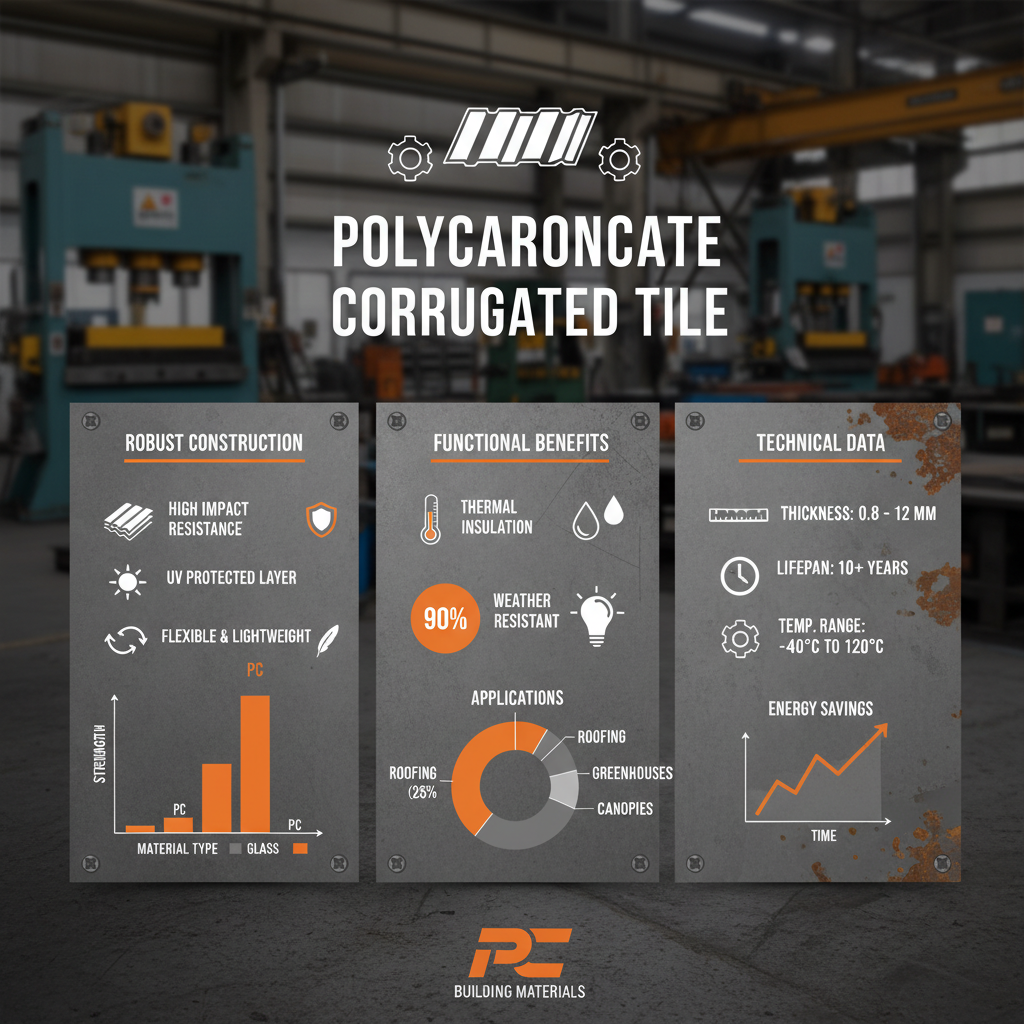
At its core, a Polycarbonate Corrugated Tile is a thermoplastic polymer sheet that has been engineered with a wave-like profile to increase structural stiffness and facilitate water runoff. Unlike standard plastics, polycarbonate is a high-performance engineering plastic known for its exceptional impact strength and thermal stability, which allows it to remain flexible at low temperatures and stable at high temperatures.
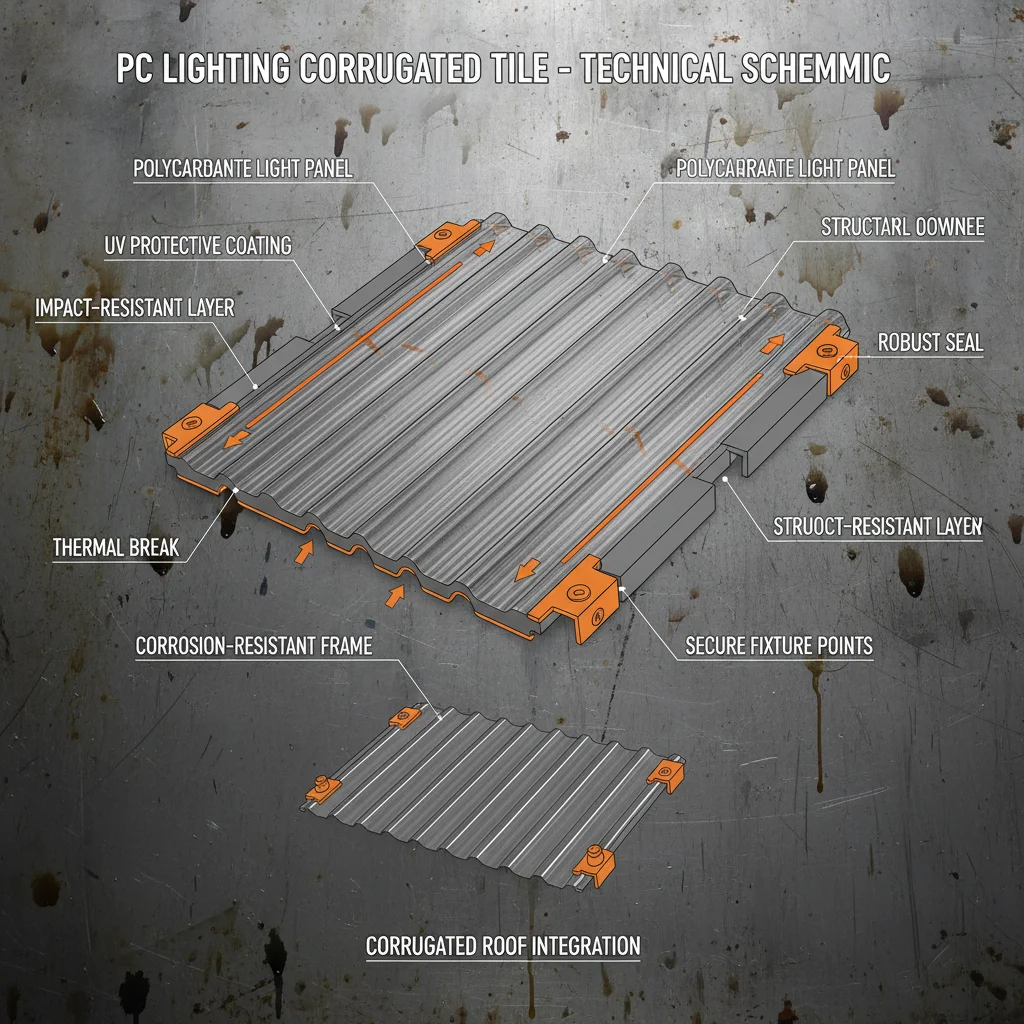
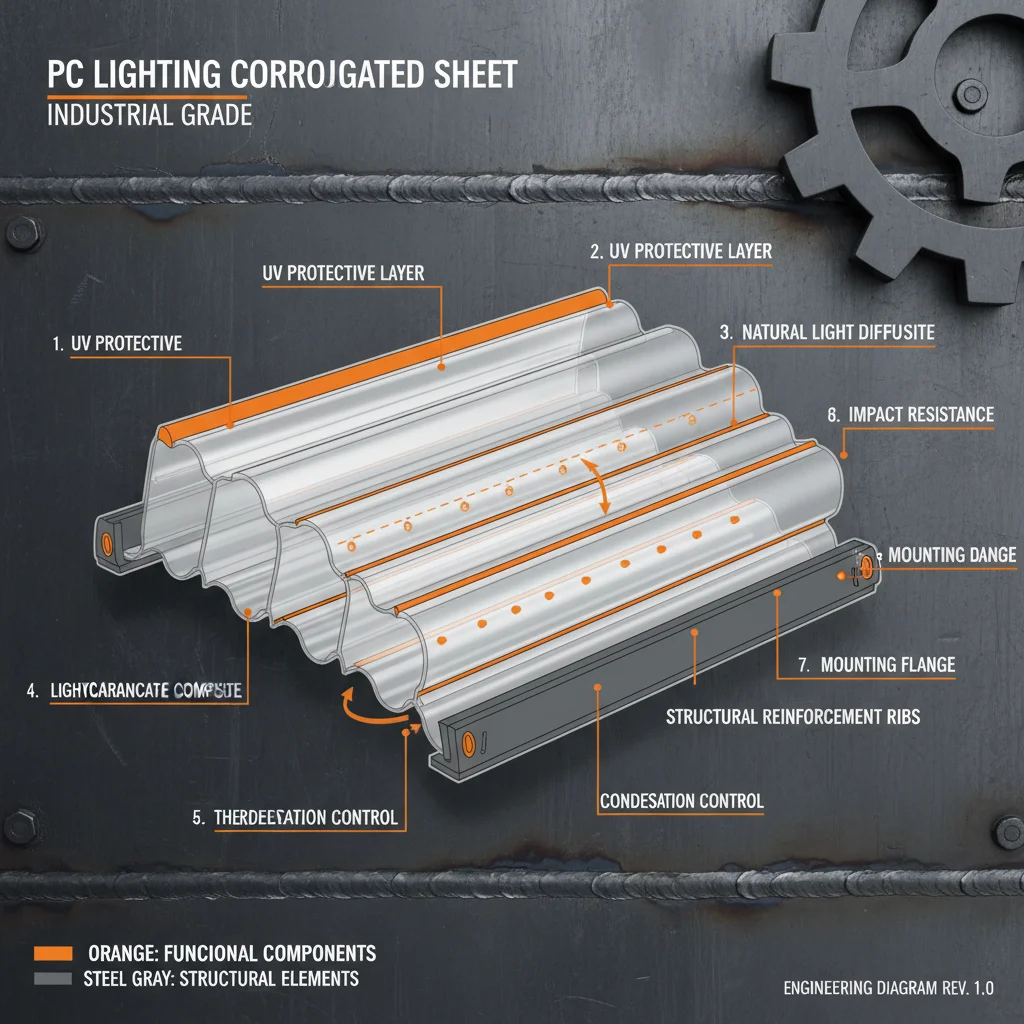
The "corrugated" aspect is a critical design choice. By folding the material into a series of parallel ridges and grooves, the moment of inertia is significantly increased, allowing the tile to span larger distances between supports without sagging. This geometric advantage, combined with the material's lightweight nature, simplifies the loading requirements for the underlying steel structure, reducing overall project costs.
To enhance its lifespan, most industrial-grade tiles are treated with a UV-resistant co-extrusion layer. This layer prevents the polymer chains from breaking down under prolonged exposure to the sun's ultraviolet rays, ensuring that the Polycarbonate Corrugated Tile maintains its transparency and mechanical properties for decades rather than years.
Core Performance Factors and Engineering Benefits
The primary appeal of the Polycarbonate Corrugated Tile lies in its unrivaled impact resistance. Often referred to as "unbreakable plastic," it can withstand forces that would shatter tempered glass, making it the ideal choice for high-traffic industrial zones or areas prone to extreme weather.
Thermal efficiency is another critical factor. While providing transparency, the Polycarbonate Corrugated Tile can be manufactured with infrared-reflecting coatings to prevent the "greenhouse effect" inside factories. This allows natural light to enter while blocking the heat, maintaining a comfortable working environment for personnel.
Scalability and ease of integration further solidify its value. These tiles are designed to be compatible with standard metal roofing profiles, allowing for a seamless blend of opaque metal and translucent polycarbonate. This modular approach enables architects to precisely control the amount of light entering a space based on the specific needs of the machinery or the workforce.
Comparative Analysis of Installation Methods
The installation of Polycarbonate Corrugated Tile requires precision to avoid thermal expansion stress. Because polymers expand and contract more than steel, using oversized pre-drilled holes and specialized EPDM rubber washers is essential to prevent cracking over time.
Depending on the project scale, different fastening methods are employed. While traditional screw-fixing is common for small sheds, larger industrial projects often utilize a clip-lock system that eliminates the need for piercing the material, thereby reducing the risk of leaks and increasing the overall lifespan of the roof.
Efficiency Rating of Polycarbonate Corrugated Tile Installation Methods
Real-World Global Applications and Use Cases
In the agricultural sector, Polycarbonate Corrugated Tile is widely used in high-tech hydroponic greenhouses across the Netherlands and Canada. The material's ability to diffuse light prevents "hot spots" on plants, promoting more uniform growth and higher crop yields compared to traditional glass.
In industrial zones, particularly in Southeast Asia's manufacturing hubs, these tiles are integrated into the roofs of massive electronics assembly plants. This integration allows for an abundance of daylight, which has been scientifically proven to increase worker productivity and reduce eye strain, all while maintaining the structural protection provided by heavy-duty steel frames.
Long-Term Value and Sustainability Impact
The long-term value of investing in Polycarbonate Corrugated Tile extends far beyond the initial purchase price. When calculating the Total Cost of Ownership (TCO), the reduction in monthly energy bills for lighting and the decreased frequency of replacement cycles make it a more economical choice than cheaper PVC or FRP alternatives.
From a sustainability standpoint, polycarbonate is 100% recyclable. In a circular economy, old roofing sheets can be processed and repurposed into new industrial components, reducing the volume of construction waste ending up in landfills. This aligns with global corporate social responsibility (CSR) goals and LEED certification requirements.
Moreover, the psychological impact of natural light in the workplace cannot be overstated. By replacing dark, oppressive metal ceilings with translucent sections, companies create a more human-centric environment. This fosters a sense of well-being and trust among employees, proving that industrial efficiency does not have to come at the expense of human comfort.
Future Innovations in Polycarbonate Roofing Technology
The future of Polycarbonate Corrugated Tile is inextricably linked to the rise of Building-Integrated Photovoltaics (BIPV). Researchers are currently developing transparent solar cells that can be laminated directly onto polycarbonate sheets, turning the roof into a massive energy generator without sacrificing light transmission.
Additionally, the integration of nanotechnology is leading to "self-cleaning" tiles. By applying a photocatalytic titanium dioxide coating, these tiles can break down organic dirt via UV light, which is then washed away by rain. This innovation will drastically reduce the maintenance costs associated with cleaning large industrial roofs.
As automation in construction grows, we expect to see 3D-printed structural supports specifically optimized for the weight and thermal properties of polycarbonate. This synergy between material science and digital fabrication will allow for more complex, organic architectural forms that were previously impossible with standard corrugated sheets.
Technical Performance Comparison of Polycarbonate Corrugated Tile Varieties
| Tile Variant |
Light Transmission (%) |
Impact Strength (J) |
UV Protection Rating |
| Clear Standard |
90% |
15-20 |
Standard (5yr) |
| Bronze Tinted |
65% |
16-22 |
Enhanced (10yr) |
| Opal/Milky |
40% |
18-25 |
High (15yr) |
| IR-Reflective |
75% |
14-20 |
Premium (20yr) |
| Embossed Anti-Glare |
82% |
17-23 |
Enhanced (10yr) |
| Heavy Duty Industrial |
88% |
25-30 |
Premium (20yr) |
FAQS
Polycarbonate is significantly stronger and more heat-resistant than PVC. While PVC tends to become brittle and yellow over time due to UV exposure, Polycarbonate Corrugated Tiles are engineered with UV-stabilizers that maintain clarity and structural integrity for much longer. Additionally, polycarbonate has a much higher impact resistance, making it safer for industrial environments.
Yes, they are specifically designed for compatibility with steel structures. Because of their corrugated profile, they can be overlaid or integrated into most standard metal roofing systems. We recommend using specialized gaskets and fasteners to account for the different thermal expansion rates between the polycarbonate and the steel frame.
Prevention starts with the correct overlap. Ensure a minimum overlap of one corrugated wave for side joints and 150-200mm for end laps. Using high-quality EPDM washers and ensuring that screws are tightened firmly—but not so tight that they distort the plastic—is key to creating a watertight seal.
Absolutely. To avoid scratches, avoid using abrasive pads or harsh chemicals. We recommend using a soft cloth or a sponge with a mild soap solution and lukewarm water. For large industrial roofs, low-pressure water spraying is the most effective and safest way to remove dust and debris.
While clear tiles allow light and some heat, we offer specialized IR-reflective (Infrared) Polycarbonate Corrugated Tiles. These are coated to block a significant portion of the heat-generating infrared spectrum while still allowing visible light to pass through, keeping your interior cooler and reducing air conditioning costs.
Depending on the quality of the UV coating and the environmental conditions, a professional-grade Polycarbonate Corrugated Tile typically lasts between 10 to 20 years. Regular maintenance and the use of correct installation hardware can further extend this lifespan by preventing stress fractures and leaks.
Conclusion
The adoption of Polycarbonate Corrugated Tile represents a strategic upgrade for any modern industrial or agricultural facility. By seamlessly merging the strength of structural metalwork with the light-transmitting properties of high-grade polymers, these tiles solve the age-old conflict between protection and illumination. From their extreme impact resistance and UV stability to their contribution to energy efficiency and worker well-being, they provide a comprehensive value proposition that far outweighs the initial investment.
Looking forward, as we move toward a more sustainable and technologically integrated built environment, the evolution of polycarbonate roofing—including self-cleaning surfaces and solar integration—will continue to redefine industrial architecture. We encourage facility managers and architects to prioritize materials that offer both durability and environmental harmony. For high-quality solutions tailored to your specific structural needs, visit our website: www.ymc-machinery.com.