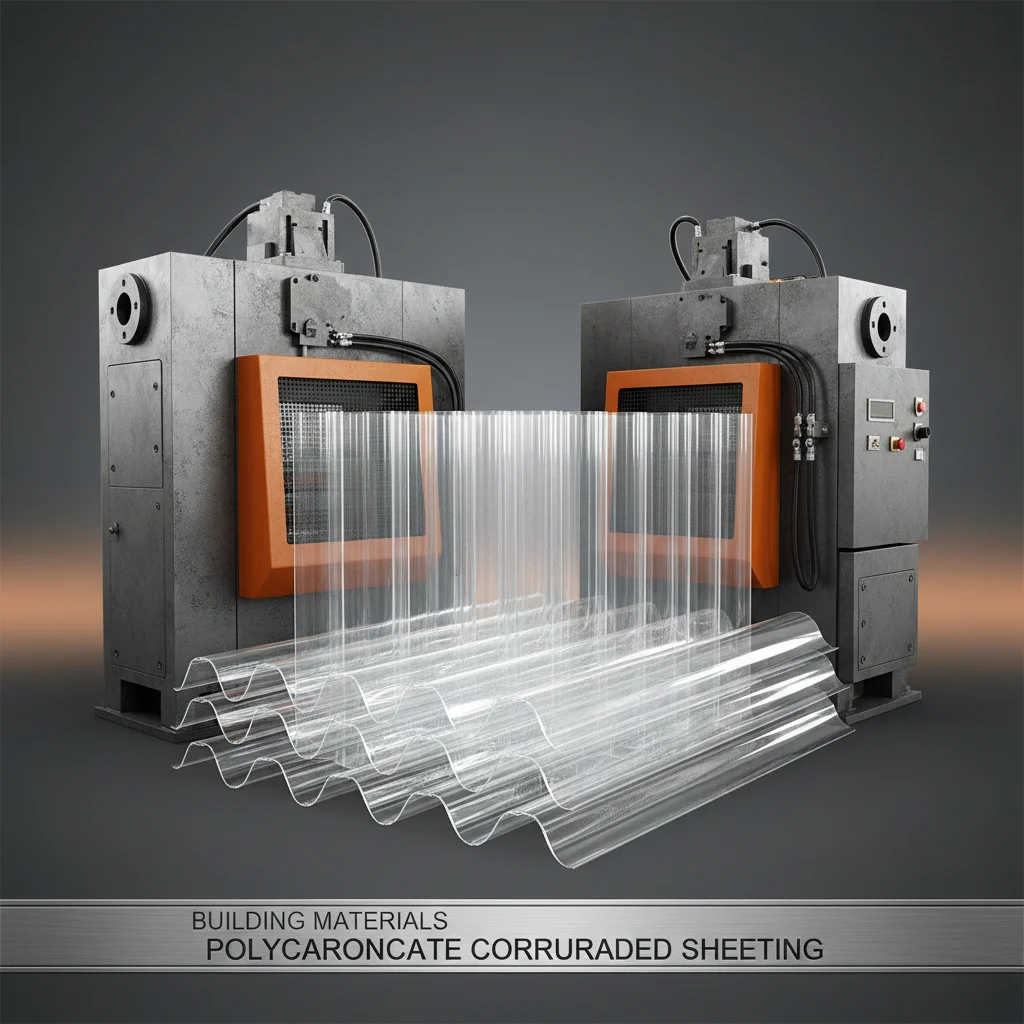
In the modern landscape of industrial architecture, the quest for energy efficiency and natural illumination has led to the widespread adoption of PC Lighting Corrugated Tile. These specialized polycarbonate sheets are engineered to bridge the gap between the structural rigidity of metal roofing and the transparency of glass, providing a lightweight yet incredibly durable solution for warehouses, factories, and agricultural buildings. By allowing controlled sunlight to penetrate interior spaces, they significantly reduce reliance on artificial lighting, lowering operational costs and improving the well-being of workers.
The global shift toward sustainable construction, emphasized by ISO environmental standards and green building certifications, has pushed the manufacturing sector to optimize how it handles light transmission. The challenge has always been finding a material that can withstand extreme weather conditions—such as hail, heavy snow, and UV radiation—without cracking or losing clarity over time. Traditional materials often fail under these stresses, creating a demand for high-impact polymers that can integrate seamlessly with existing steel structure frameworks.
Understanding the technical nuances of PC Lighting Corrugated Tile is essential for architects and engineers who aim to balance thermal insulation with natural brightness. Whether it is used for a small greenhouse or a massive industrial plant, the choice of the right profile and UV coating can determine the longevity of the roof. This guide explores the global context, technical specifications, and future innovations of polycarbonate lighting solutions in the structural metal industry.
Global Relevance and Industry Context of PC Lighting Corrugated Tile
Across the globe, the industrialization of emerging economies in Southeast Asia and Africa has led to a surge in the construction of large-scale manufacturing hubs. These facilities require cost-effective roofing that does not sacrifice safety or light. PC Lighting Corrugated Tile has become a staple in these regions because it provides an immediate solution to the "dark factory" syndrome, where electricity costs for lighting consume a significant portion of the overhead.
From a regulatory perspective, the push for LEED certification and other green building standards has mandated a reduction in carbon footprints. By integrating translucent corrugated sheets into steel structures, companies can reduce their daily kWh consumption. This alignment with global sustainability goals makes the adoption of high-quality polycarbonate tiles not just a design choice, but a strategic financial and environmental decision for modern enterprises.
Definition and Technical Meaning of Polycarbonate Roofing
At its core, a PC Lighting Corrugated Tile is a thermoplastic polymer sheet made from polycarbonate, which is formed into a wave-like or corrugated profile. This specific geometry is not merely for aesthetics; the corrugation provides essential structural rigidity, allowing the thin material to span distances between purlins without sagging, while simultaneously facilitating efficient water runoff during heavy rainfall.
Unlike traditional PVC or fiberglass options, polycarbonate is renowned for its exceptional impact resistance—often referred to as "unbreakable plastic." In the context of the structural metal industry, these tiles act as "light strips" that are interspersed with opaque metal sheets. This hybrid approach ensures that the building maintains the strength of steel while gaining the luminous benefits of a greenhouse.
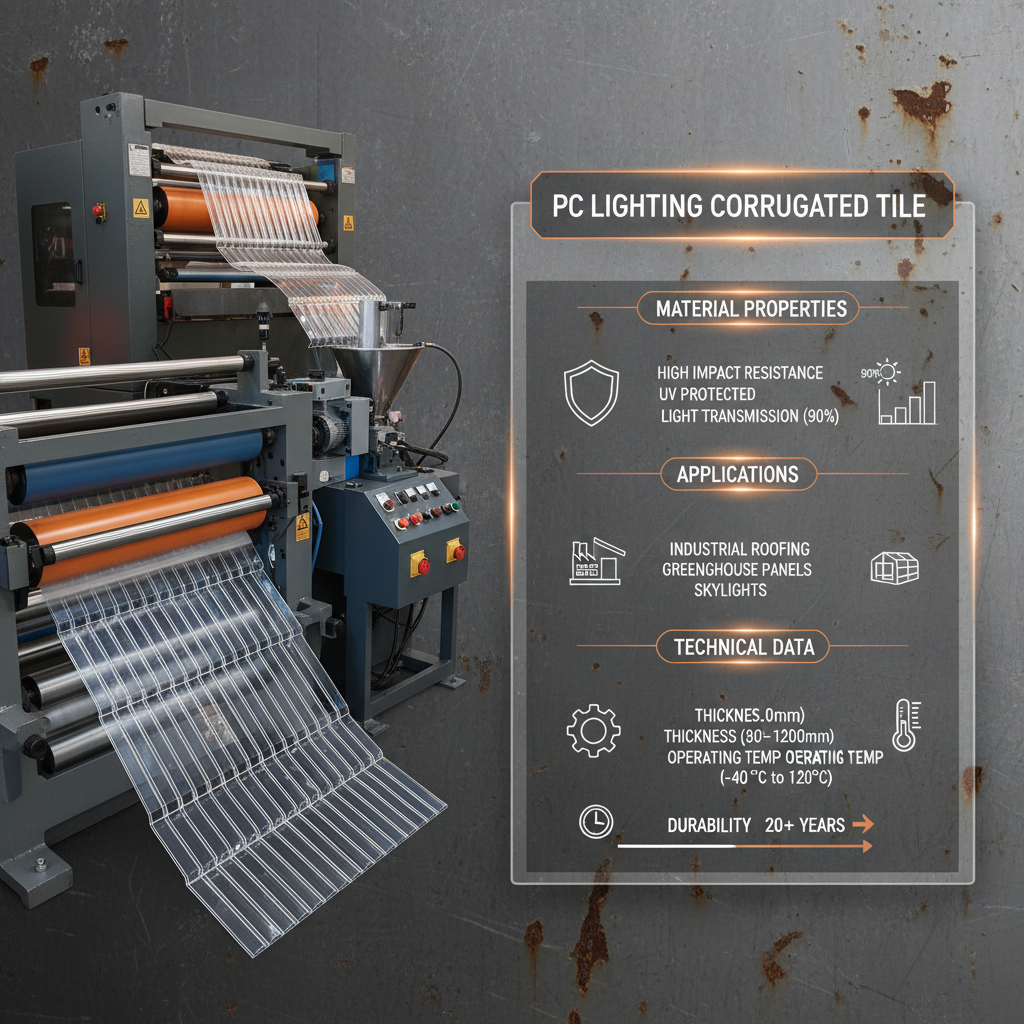
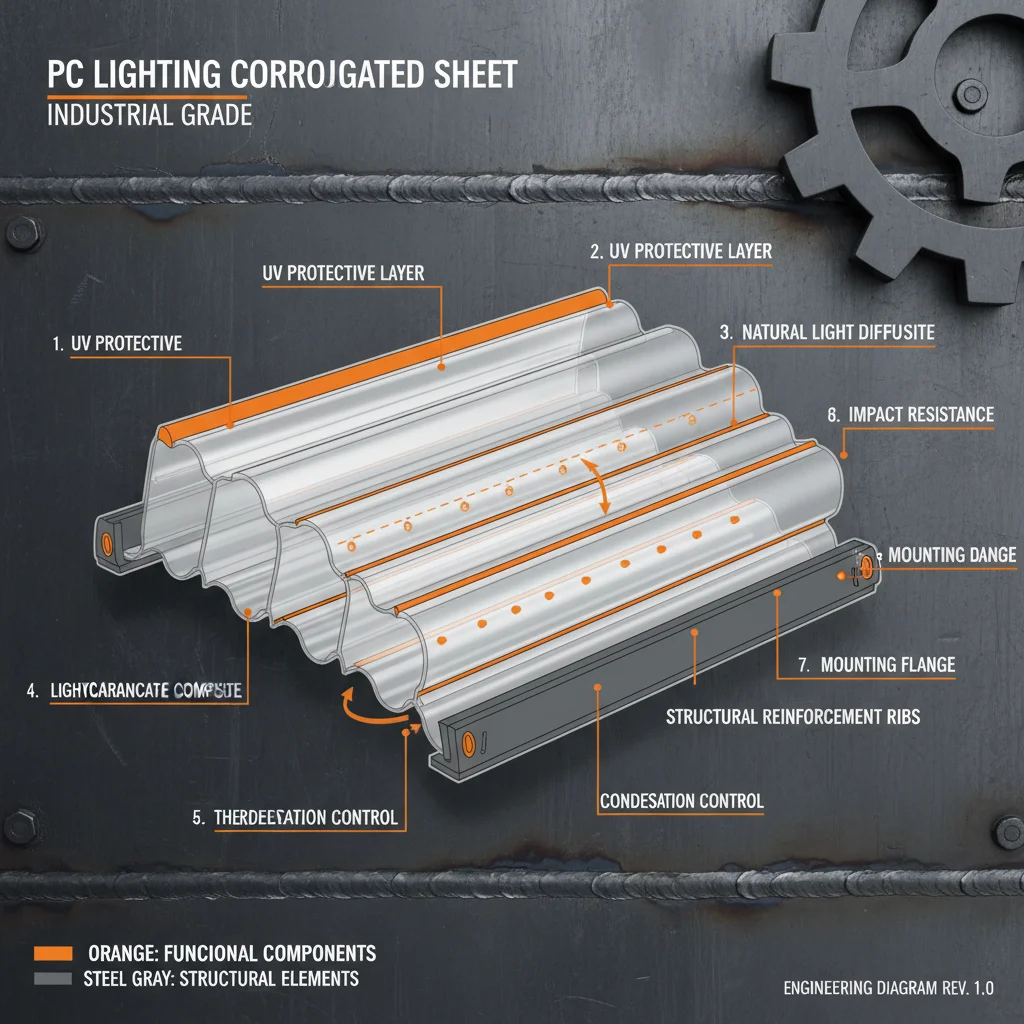
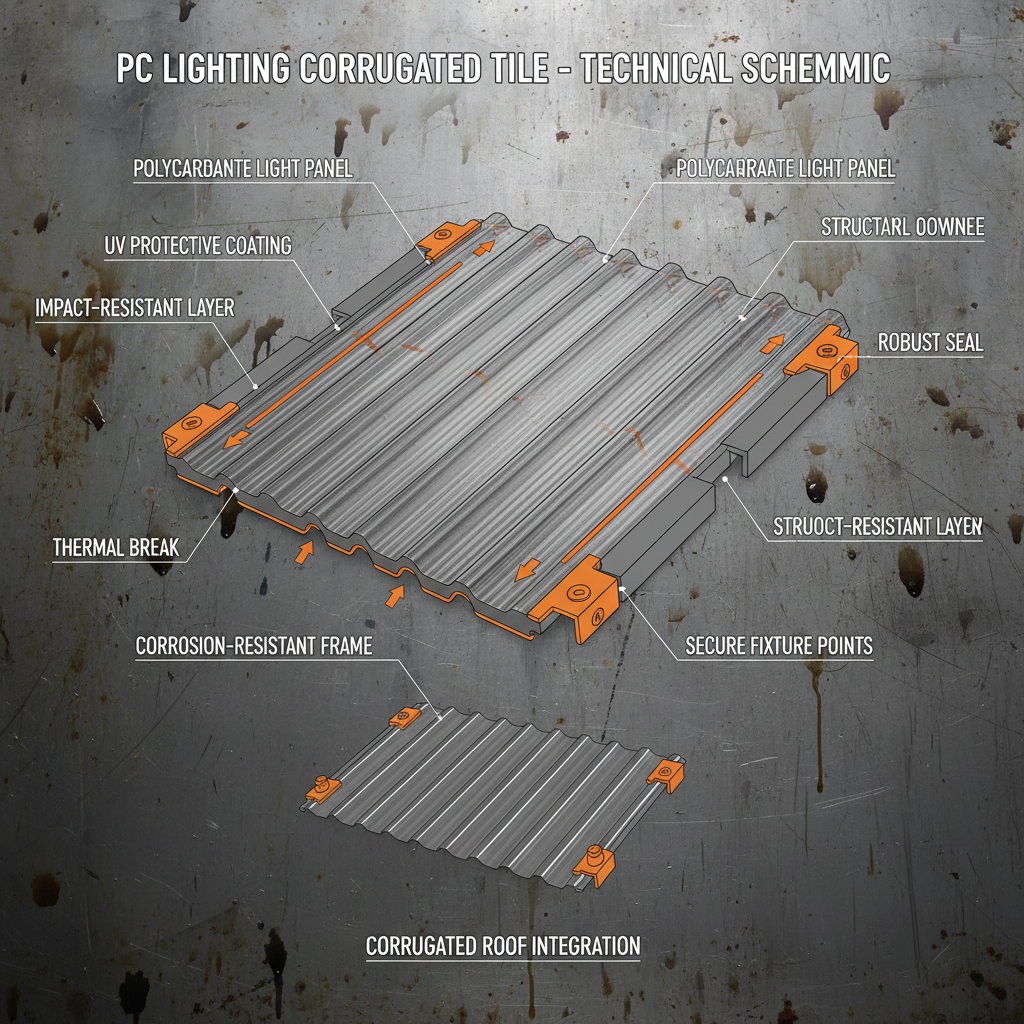
Furthermore, these tiles are engineered with advanced co-extrusion technology. This means a UV-protective layer is chemically bonded to the surface, preventing the material from yellowing or becoming brittle when exposed to intense sunlight for decades. This makes them indispensable for humanitarian projects, such as rapid-deployment shelters or remote industrial zones where maintenance access is limited.
Core Components and Material Properties
The primary strength of PC Lighting Corrugated Tile lies in its molecular structure, which allows it to remain flexible during installation yet incredibly hard once secured. The "Corrugated" aspect refers to the sinusoidal or trapezoidal shape that mimics the profile of the surrounding steel roofing, ensuring a watertight seal and a cohesive architectural appearance.
Another critical component is the UV-stabilization layer. Without this specialized coating, the PC Lighting Corrugated Tile would degrade under the sun's ultraviolet rays. By integrating a UV-absorber into the outer skin, manufacturers ensure that light transmission remains constant, and the structural integrity of the polymer is preserved against photo-oxidation.
Lastly, the thermal expansion coefficient of polycarbonate is a key engineering factor. Because these tiles expand and contract more than steel, professional installation involves the use of oversized pre-drilled holes and specialized EPDM gaskets. This ensures that as the PC Lighting Corrugated Tile breathes, it does not buckle or create leaks at the fastening points.
Performance Metrics and Comparative Analysis
When evaluating the effectiveness of lighting solutions, engineers look at light transmission percentages and impact strength. A high-quality PC Lighting Corrugated Tile typically offers a light transmission rate of 70% to 90%, depending on the color (clear, bronze, or opal). This allows for a diffused light effect that eliminates harsh glares and hot spots inside the workspace.
Compared to traditional glass or FRP (Fiber Reinforced Plastic), polycarbonate is significantly lighter, reducing the dead load on the steel structure. This means fewer support beams are required, lowering the overall material cost of the building. The following data illustrates how different variations of polycarbonate tiles perform across key industrial metrics.
Industrial Performance Rating of PC Lighting Corrugated Tile Variants
Global Applications and Real-World Use Cases
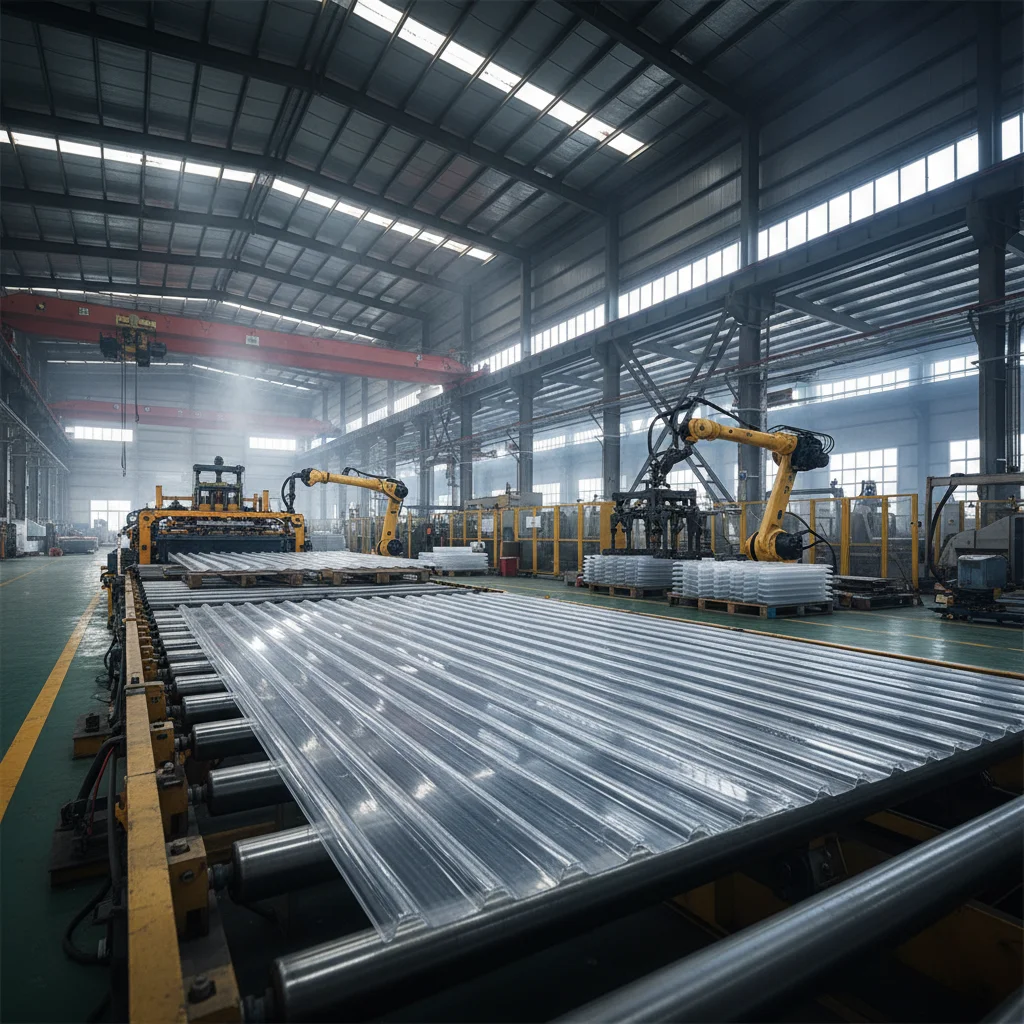
In the realm of large-scale logistics, PC Lighting Corrugated Tile is frequently used in distribution centers where the ceiling height is immense. By strategically placing these tiles in a "checkerboard" pattern across the roof, operators can maintain high visibility for forklift drivers and warehouse staff during daylight hours, significantly reducing the electricity load and the heat generated by high-intensity discharge lamps.
Beyond logistics, the agricultural sector has seen a revolution through these materials. In high-tech hydroponic farms and livestock shelters, the ability to control light intensity via opal-colored PC Lighting Corrugated Tile prevents plant scorch and animal stress while ensuring that the environment remains bright. In remote industrial zones, such as mining camps in Northern Canada or oil rigs in the Gulf, the impact resistance of these tiles ensures they survive extreme wind-blown debris and hail.
Long-Term Value and Sustainability Benefits
The long-term value of investing in a premium PC Lighting Corrugated Tile extends far beyond the initial installation cost. When calculating the Total Cost of Ownership (TCO), the reduction in energy bills often offsets the material price within the first three to five years. Furthermore, the durability of polycarbonate means fewer replacements compared to fragile fiberglass sheets, reducing waste and labor costs over a 20-year building lifecycle.
From a social and psychological angle, the presence of natural light in industrial settings is linked to higher worker productivity and lower rates of workplace accidents. The "dignity of the workspace" is enhanced when employees are not confined to a windowless metal box. This human-centric approach to industrial design transforms a bleak factory floor into a vibrant, healthy environment.
Sustainability is also embedded in the material's recyclability. Modern polycarbonate can be reclaimed and processed into new industrial components, aligning with the circular economy principles. By choosing PC Lighting Corrugated Tile, companies demonstrate a commitment to both ecological responsibility and operational excellence.
Future Trends and Innovative Solutions
The next generation of PC Lighting Corrugated Tile is moving toward "smart" integration. We are seeing the development of BIPV (Building-Integrated Photovoltaics), where thin-film solar cells are embedded directly into the translucent polycarbonate. This would allow a roof to provide natural lighting and generate electricity simultaneously, turning the entire roof into a power plant.
Another trend is the use of nano-coatings for self-cleaning surfaces. By applying a hydrophobic layer to the PC Lighting Corrugated Tile, rainwater naturally washes away dust and pollutants. This is particularly critical for facilities in dusty industrial zones, as it ensures that the light transmission rate does not drop over time due to surface contamination.
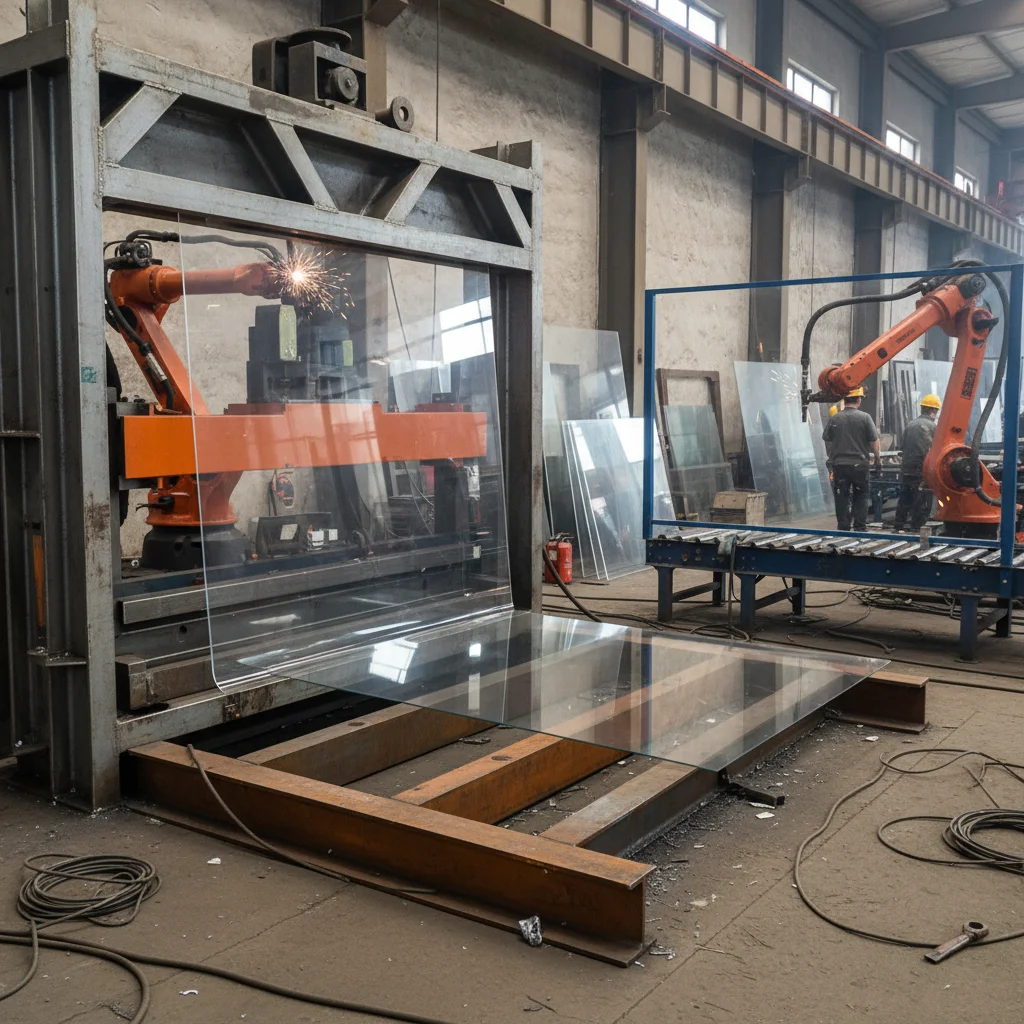
Finally, automation in the manufacturing process is allowing for custom-profiled tiles that perfectly match any complex steel structure geometry. This precision reduces the need for overlapping and sealant, which are the most common points of failure in traditional roofing.
Technical Comparison of PC Lighting Corrugated Tile Specifications
| Material Grade |
Light Transmission |
Impact Resistance |
Expected Lifespan |
| Standard Clear PC |
88% - 92% |
High (10/10) |
10-15 Years |
| Opal Diffused PC |
50% - 65% |
High (10/10) |
12-18 Years |
| UV-Coated Bronze |
40% - 55% |
Very High (10/10) |
15-20 Years |
| Industrial Grade FRP |
60% - 75% |
Medium (6/10) |
5-8 Years |
| Double-Wall Poly |
70% - 80% |
Ultra-High (10/10) |
20+ Years |
| Standard PVC Sheet |
80% - 90% |
Low (3/10) |
3-5 Years |
FAQS
Polycarbonate is vastly superior to fiberglass (FRP). While fiberglass is prone to "fiber bloom" (where glass fibers emerge and degrade the surface) and can crack under impact, PC Lighting Corrugated Tile is virtually unbreakable. It offers significantly higher impact resistance, better UV stability, and a longer lifespan, making it the preferred choice for areas prone to hail or heavy snow.
High-quality PC Lighting Corrugated Tile is manufactured with a co-extruded UV-protection layer. This layer blocks the harmful rays that cause polymer degradation. While very cheap, non-coated plastics may yellow, professional-grade polycarbonate tiles are designed to maintain their clarity and structural integrity for 10 to 20 years depending on the environment.
Yes, they are specifically designed for this purpose. Because the corrugated profile of the PC Lighting Corrugated Tile is engineered to match standard steel profiles, they can be integrated into existing roofs during renovation or installed as part of a new build. Proper overlap and the use of specialized fasteners with gaskets are essential to prevent leaks.
While clear tiles allow more light, they can increase heat. However, this is solved by choosing "Opal" or "Bronze" tints. These PC Lighting Corrugated Tile variations diffuse the sunlight, reducing direct solar heat gain while still providing ample natural light. Additionally, combining them with proper ventilation systems ensures the interior remains cool.
Cleaning should be done with a soft cloth or sponge and a mild soap solution. Avoid using abrasive scrubbers or harsh chemical solvents (like acetone), as these can scratch the UV coating of the PC Lighting Corrugated Tile. Regular rinsing with water is usually sufficient to maintain optimal light transmission.
Polycarbonate is naturally self-extinguishing. Most PC Lighting Corrugated Tile products meet Class B1 fire rating standards, meaning they do not support combustion and will not spread flames rapidly. This makes them a safe choice for industrial environments where fire safety regulations are strictly enforced.
Conclusion
The integration of PC Lighting Corrugated Tile into industrial architecture represents a perfect synergy of material science and functional design. By combining the unmatched impact resistance of polycarbonate with a structural profile that complements steel, these tiles solve the critical challenge of providing safe, sustainable, and cost-effective natural lighting for the world's most demanding environments. From reducing energy overheads to improving worker mental health, the benefits are both tangible and long-lasting.
As we look toward a future of "smart" factories and carbon-neutral construction, the evolution of these translucent solutions will only accelerate. For engineers and business owners, moving away from outdated FRP or PVC options toward high-performance polycarbonate is a strategic upgrade that ensures building longevity and operational efficiency. We invite you to explore our full range of structural solutions and enhance your facility's luminosity. Visit our website: www.ymc-machinery.com